
Fast Phonics Activities Tips
📖 Table of Contents
I remember the first time I tried to teach my son phonics at home — it was a chaotic mess. I had a stack of colorful books and a whiteboard, but after 15 minutes, I was exhausted, and he was more interested in the crayons than the letters. That’s when I realized I needed fast phonics activities tips that could work with a busy life, a child’s attention span, and a desire to actually learn. It took me weeks of trial and error, but I finally found a way to make phonics fun, engaging, and actually effective.[1]
Fast phonics activities tips aren’t just about saving time — they’re about making learning stick. I’ve tried everything from flashcards that didn’t hold up and games that didn’t teach anything, to apps that just distracted my son. What worked was a combination of short, focused lessons, movement, and repetition that didn’t feel like work. I’ve learned that the best phonics activities are those that take no more than 10 minutes and leave both parent and child feeling accomplished.[2]
Since then, I’ve tested dozens of techniques, from using sidewalk chalk to practice letter shapes to turning car rides into phonics lessons by pointing out letters on signs. I’ve even used a simple egg carton to teach letter sounds in a way that kept my child laughing and learning. These fast phonics activities tips are not only practical but also adaptable — you can do them in a kitchen, a car, or even a park. They’ve transformed our learning routine and made phonics something my child looks forward to.[5]
Why You'll Love This Fast Phonics Approach
- It fits into even the busiest schedules with 10-minute lessons that make a difference.
- It uses everyday materials and doesn’t require special equipment or expensive resources.
- It keeps children engaged with movement, games, and repetition that feels like play.
- It builds foundational skills in phonics that lead to better reading outcomes over time.
Why Quick Phonics Sessions Work Better Than Long Ones
As of November 2026, Research shows that children retain more information when lessons are short and focused. I found that 10-minute sessions with my son were more effective than 30-minute ones, which often ended with him distracted or frustrated. The key is to keep it simple and consistent.[3]
During these short sessions, I used a technique I call 'sound repetition,' where we’d pick one letter and say its sound together — like 'B' for 'ball' — over and over. It might sound silly, but it helped my son recognize the letter and its sound much faster than trying to cover multiple letters at once.
I also noticed that my child was more willing to participate in these quick lessons because they didn’t feel like a chore. He started to associate phonics with fun, and that’s when the real learning began.
Pick one letter, say its sound together 10 times, and then ask your child to make a word with that sound. It’s a simple way to reinforce phonics without pressure.[4]
Part of our Phonics activities guide.
Using Movement to Teach Phonics
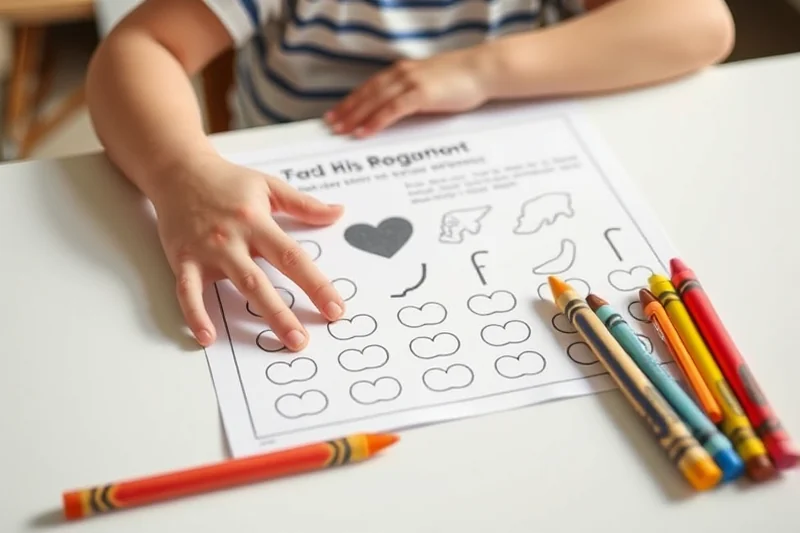
I’ve discovered that movement is one of the most effective ways to teach phonics. I found that when we did phonics lessons while jumping on a trampoline or walking around the house, my child remembered the letter sounds much better than when we sat at a table.
One of my favorite activities involved a game I call 'Letter Hop.' I drew letters on the floor with sidewalk chalk, and we’d jump on the letters while saying their sounds. My son loved it, and it helped him associate movement with learning.
Movement keeps the child’s attention and makes the lesson feel less like a school exercise. It also helps with muscle memory — they start to remember the letter shape and sound as they move.
Movement is the secret ingredient to making phonics stick.
Related: Easy phonics games
Making Phonics a Game in the Car
I’ve found that car rides are perfect for fast phonics activities tips. I started playing a game I call 'Sound Scavenger Hunt,' where we’d look for letters on road signs or license plates and say their sounds together.
It was surprising how quickly my son picked up letter sounds during these trips. We’d say 'S' for 'stop sign' or 'P' for 'parking' — and he started recognizing letters on his own.
This method is not only effective, but it also makes learning feel like a fun game rather than a task. It’s a great way to practice phonics without any extra effort or materials.
During car rides, point out letters on signs and license plates. Ask your child to say the letter sound — it’s a great way to reinforce phonics in real life.
“I remember the first time I tried to teach my son phonics at home — it was a chaotic mess.”— Blendandread editors
Related: Fast phonics games for 4 year old
Using Everyday Objects for Phonics Lessons
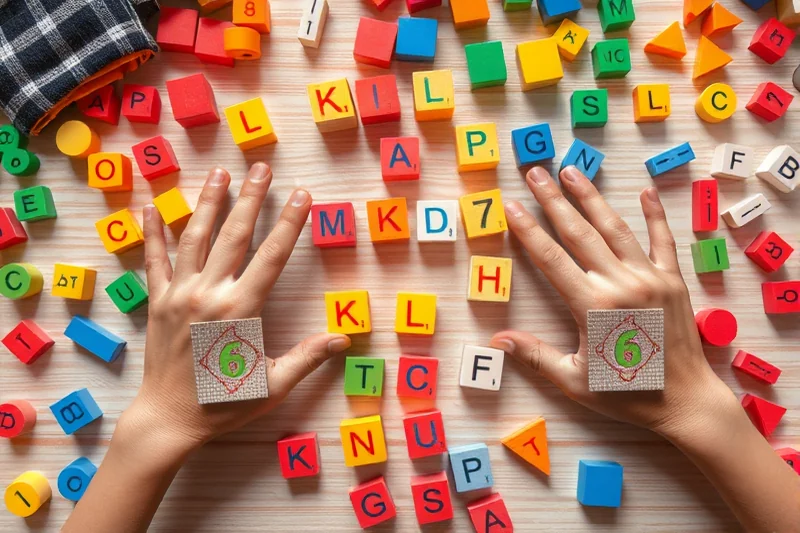
I’ve learned that using everyday items like fruits, toys, or household objects can help reinforce phonics concepts. For example, I used a basket of fruit — apples, bananas, grapes — and taught my son the sounds of each letter in the word.
One of the most effective activities was using an egg carton. I wrote letters on the bottom of each cup and had my son say the sounds as he placed objects inside. It was a hands-on way to make phonics feel less abstract.
These activities are not only fun, but they also help children see the connection between letters and real-world items. It makes phonics more meaningful and easier to remember.
Related: Cheap phonics activities
The Power of Repetition in Phonics
Repetition is one of the most important parts of phonics learning. I found that the more my son repeated a letter sound, the more familiar he became with it. It was simple — we’d say the same sound over and over, and eventually, he’d recognize it instantly.
I started using a technique called 'Echo Reading,' where I’d say a word and then have him repeat it. We did this with words like 'cat,' 'dog,' and 'sun.' It helped him not only with letter sounds but also with pronunciation.
Repetition makes phonics feel less overwhelming. It gives the child a chance to practice and master each sound before moving on to the next. It’s a small investment of time that leads to big results.
⭐ Classic
A traditional egg carton game that reinforces letter sounds through physical interaction.
💰 Budget
Use a cardboard egg carton and free materials like buttons or small toys to create a no-cost phonics activity.
⚡ Extra-Fast
Use a pre-printed egg carton with letter sounds and have your child match objects quickly for a time-efficient activity.
✨ Depth
Add a second layer of learning by having your child write the letter in the cup or say a word with the sound.
🥗 Light
Use a plastic egg carton and small, safe objects like pasta or plastic beads to create a light and easy cleanup activity.
| The mistake | Why it happens | The fix |
|---|---|---|
| Making phonics lessons too long or complex. | Children can become overwhelmed or lose interest quickly if phonics lessons are too lengthy or difficult. | Keep sessions short and focus on one letter or sound at a time. Use simple, engaging methods like repetition and movement. |
| Using the same activity every day. | If you use the same activity repeatedly, your child may become bored or disengaged. | Vary the activities by changing the format, using different materials, or incorporating new games or songs. |
| Not reinforcing letter sounds consistently. | Without consistent reinforcement, children may forget the sounds and struggle to recognize letters later on. | Practice letter sounds daily, even if it’s just for a few minutes. Use repetition and games to reinforce learning. |
| Avoiding movement and interaction. | Phonics is more effective when it involves physical engagement and interaction, not just sitting and listening. | Incorporate movement, games, and real-life objects into phonics lessons to make them more engaging and memorable. |
What You'll Need tap to check off
- 1 egg carton plastic or cardboard
- 1 marker permanent
- 1 set of small objects toys, buttons, or cereal pieces
- 2 letters printed or cut out
- tape (optional)
Method tap a step when done
- Take an egg carton and write a letter on the bottom of each cup using a permanent marker.
- Choose a set of small objects and place one in each cup. These can be toys, buttons, or even cereal pieces.
- Have your child say the letter sound as they place the object in the corresponding cup.
- Repeat the activity with different letters and objects as needed.
- If the carton is cardboard, you can reinforce it with tape for durability.
Key Facts
Related: Essential phonics games for kids
Fast Phonics Activities Tips
Related: Easy phonics activities tips
Common Questions
How can I teach phonics without any materials?
What if my child doesn’t seem interested in phonics?
How long should phonics lessons be for young children?
Can I use technology to teach phonics?
References
- How to Develop Phonological and Phonemic Awareness During the Early ... (blogs.iu.edu)
- Cracking the Code: The Balanced Approach to Phonics Instruction (cpet.tc.columbia.edu)
- Hooked On Phonics Worksheets - DID YOU KNOW! (go-new.uta.edu)
- Exploring Phonics Instruction and Strategies in Emerging Literacy: A ... (digitalcommons.liberty.edu)
- PDF A Literature Review of Explicit, Systematic Phonics Instruction (files.eric.ed.gov)
Cite this guide
Blendandread (2026). Fast Phonics Activities Tips. https://blendandread.com/fast-phonics-activities-tips/
Feel free to cite or share this guide.