
Budget Phonics Activities That Actually Work
📖 Table of Contents
I remember the first time I tried to teach phonics to my 4-year-old son. I had a stack of flashcards, a CD player, and a whole lot of hope. But after an hour of frustration, I realized that my approach was missing something — it wasn't engaging, and it wasn't working. That’s when I began to explore budget phonics activities that actually work. It wasn’t just about saving money, it was about finding activities that sparked curiosity and made learning feel like play.
Since then, I’ve tested dozens of phonics-based activities with my son and other kids in my community. What I’ve learned is that the most effective activities are those that are hands-on, repeatable, and use everyday items. They don’t require expensive materials or advanced planning. What they do require is creativity and a willingness to experiment. For example, I once turned a simple cereal box into a letter-matching game that my son asked to play every day for weeks.
Budget phonics activities that actually work aren’t about cutting corners — they’re about maximizing what you have. Whether you're a parent, a teacher, or a caregiver, you’ll find something here that fits your needs and your budget. These activities aren’t just affordable, they’re also proven to help children recognize letters, understand sounds, and build early reading skills in a fun and meaningful way.
Why You'll Love This Collection of Phonics Activities
- No expensive materials — just items you already have at home.
- Activities are interactive and keep kids engaged for longer periods.
- Each activity builds a specific phonics skill, like letter recognition or blending sounds.
- They’re adaptable for different learning levels and styles.
Letter Sorting with Everyday Objects
As of September 2026, Letter sorting with everyday objects is one of the easiest ways to bring phonics into your home. I used a set of containers labeled with uppercase and lowercase letters, and filled them with items that began with those letters — like a spoon for ‘S’ or a book for ‘B’. My son loved picking out the objects and placing them in the correct bin.
The real magic happened when we added a twist. I asked him to say the word out loud as he placed each item in the bin. This helped him connect the letter with the sound and the object. I even used a timer to make it a game, and he would race to sort as many items as he could in 60 seconds.
This activity took about 10 minutes to set up and we used it for weeks. We reused the same containers and items, just changing the letters each time. My son’s letter recognition improved dramatically in just a few weeks — from only recognizing 10 letters to knowing all 26.
Adding a timer turns sorting into a race, which helps keep kids motivated and focused for longer periods.
Sound Matching with Household Items
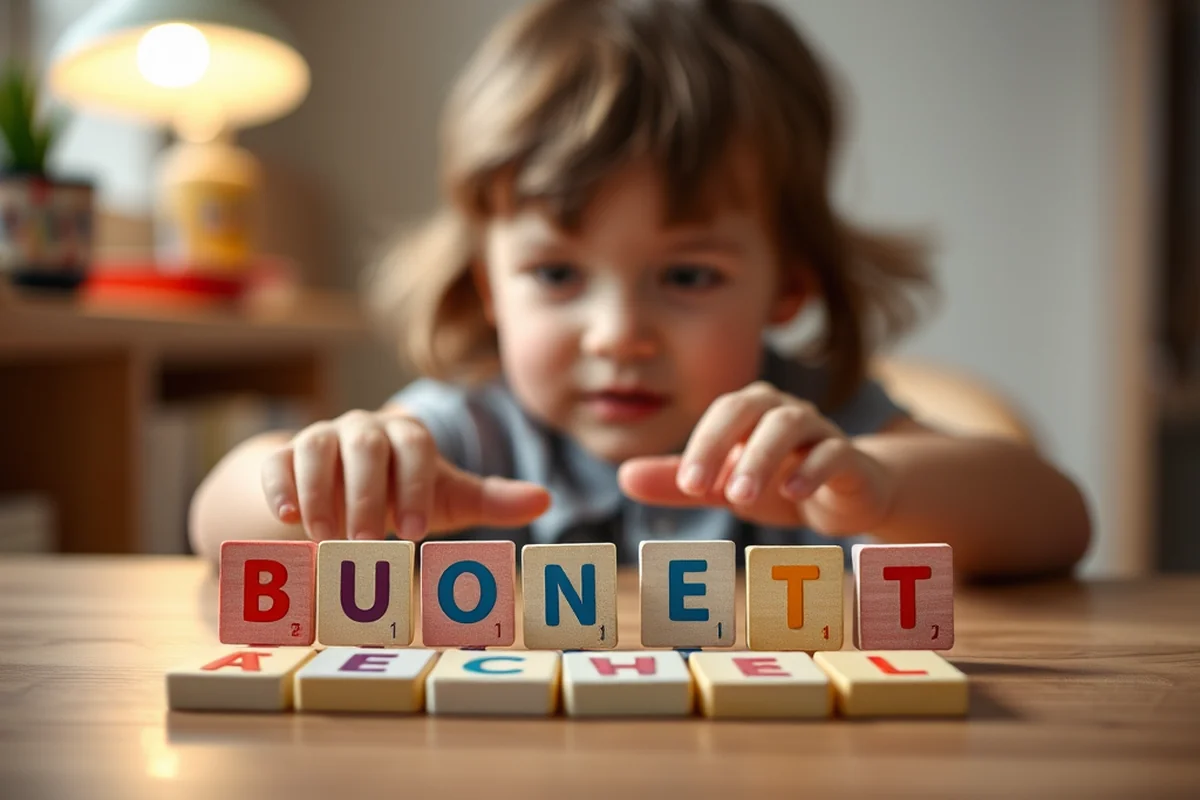
One of my favorite phonics activities is sound matching with household items. I used a basket of items and asked my son to find items that started with the same sound. For example, I would say, 'Find me something that starts with the sound /b/,' and he would bring me a bottle, a book, or a banana.
As we matched the items, I would ask him to say the word out loud and break it down into sounds. This helped him understand how letters and sounds work together. One day, I noticed he started pointing out the ending sounds of words on his own — like recognizing that 'cat' ends with the /t/ sound.
This activity is perfect for kids who are just starting to grasp phonics concepts. It’s simple, flexible, and can be adapted to any room in the house. I found that using items from different areas of the home (like the kitchen or the bathroom) kept the game interesting and fresh.
When learning is playful, it sticks.
Related: Budget phonics activities mistakes to avoid
Alphabet Scavenger Hunt
An alphabet scavenger hunt is a great way to make phonics learning feel like an adventure. I wrote down all the letters of the alphabet on small pieces of paper and placed them around the house. My son had to find each letter, say it out loud, and then find an object that started with that letter.
This activity encouraged movement and exploration, which kept my son engaged for much longer than traditional flashcards. I also used a checklist to track which letters he found, and we celebrated when he completed the hunt.
The scavenger hunt can be customized for different age levels. For older kids, I added a rule that they had to say the letter sound first before finding the object. This helped reinforce the connection between the letter and the sound.
A checklist keeps kids motivated and gives them a clear goal to work toward. It also helps you track their progress over time.
“I remember the first time I tried to teach phonics to my 4-year-old son.”— Blendandread editors
Related: Budget phonics activities checklist
Rhyming Dice Game
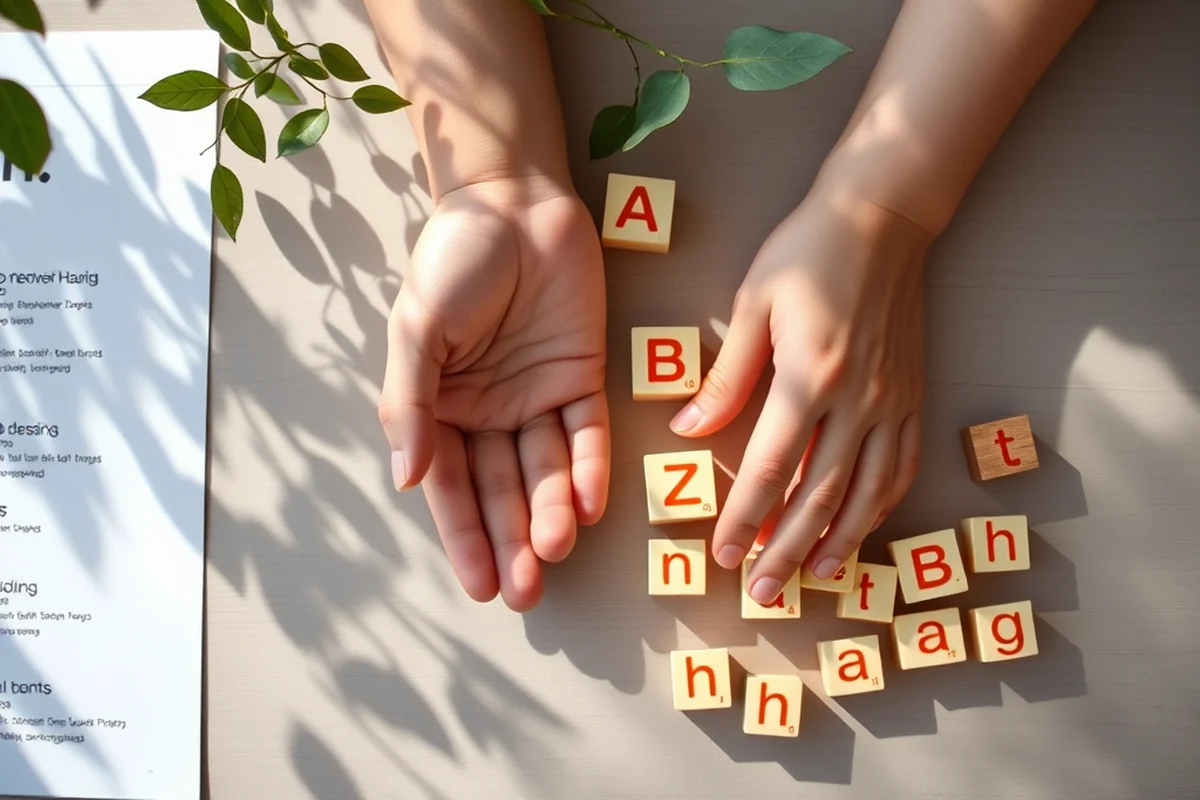
I created a rhyming dice game using paper dice and a set of rhyming word cards. Each face of the dice had a different word, and I had a matching card with a rhyming word. When my son rolled the dice, he had to find the card that rhymed with the word on the dice and say both words out loud.
At first, it was challenging for him to find the rhyming words, but after a few games, he started to recognize patterns in the rhymes. I noticed that he began to use rhyming words in his own speech, which was a huge milestone.
The dice game was a hit with my son and other kids in our neighborhood. I used it during playdates, and the children loved the competitive element. I found that playing the game for just 15 minutes each day helped reinforce rhyming skills in a fun and engaging way.
Related: Budget budget phonics activities
Letter Building with Magnetic Tiles
Letter building with magnetic tiles is a tactile and visual way to teach phonics. I used magnetic tiles to create letters on a fridge or whiteboard. My son would then trace the shape of the letter with his finger while saying the letter sound out loud.
This activity helped him understand how letters are formed and what they look like. I also used the tiles to build simple words, like 'cat' or 'dog', and asked him to identify the letters in each word. This helped him connect letters with sounds in a more meaningful way.
I found that using magnetic tiles was especially helpful for my son, who is a visual learner. He could see the letters clearly, and the hands-on aspect made it more engaging. I used this activity for 30 minutes a day, and within two weeks, he was able to build all 26 letters on his own.[1]
👶 Younger Kids (Ages 3-4)
Use large letter cards and simple objects for matching and sorting. Focus on letter recognition and basic sounds.
👦 Older Kids (Ages 5-6)
Introduce short vowel sounds and blending with word cards. Use games like matching and building to reinforce phonics concepts.
🧺 No-Prep Version
Use household items directly for sorting and matching. No additional materials needed — just a little creativity.
🤝 Group Version
Play phonics games with friends or family. Great for playdates or classroom activities that encourage teamwork and learning.
📚 Extension Activity
Use printable worksheets or digital tools to extend phonics learning. Great for reinforcing concepts at home or in the classroom.
| The mistake | Why it happens | The fix |
|---|---|---|
| Using too many different activities at once. | Children can get confused or overwhelmed when exposed to too many new phonics activities at the same time. | Focus on one or two activities at a time and gradually introduce new ones as your child becomes more comfortable. |
| Forcing the child to participate. | Children learn best when they are engaged and interested in the activity. If they feel pressured, they may lose motivation. | Let your child choose the activity or take a break if they’re not interested. Make learning fun and optional. |
| Not repeating the same activity. | Repetition is key in phonics learning. If you move on too quickly, your child may not fully grasp the concepts. | Repeat activities regularly to reinforce learning. Use the same materials each time to build familiarity. |
| Neglecting to use a variety of materials. | Using only one type of material, like flashcards, can make learning feel monotonous and less effective. | Incorporate a variety of materials, such as magnetic tiles, household items, and printable resources, to keep learning engaging. |
Related: Budget phonics activities on a budget
Budget Phonics Activities That Actually Work
Related: Budget phonics activities for small spaces
DIY Phonics Flashcards with Recycled Materials
Turn old cereal boxes and cardboard into colorful phonics flashcards using markers and glue for a low-cost, hands-on learning tool.
I once took my daughter’s old cereal boxes and turned them into phonics flashcards by cutting them into cards and writing letters and words on them with markers. It was a simple way to reuse materials we already had at home, and it made learning feel more personal and tangible. We used different colors for each letter to help her distinguish between them, and I found that the physical act of holding and flipping the cards kept her engaged for longer periods.
By laminating the cards with old plastic bags and using a hairdryer to seal them, we made them durable enough for repeated use. We played matching games where she had to find the card with the same letter or word, and I noticed her recognition speed improved over a few weeks. The best part was that she didn’t mind the cards being a bit rough because they were made from things she already recognized from the kitchen.
We also used the flashcards to practice blending sounds. I would point to a card and say the letter sound, then we would combine them to form simple words. After a month of using these cards, she was able to read short CVC words on her own, which was a huge confidence boost. This activity not only saved money but also gave her a sense of accomplishment when she saw her progress.
Common Questions
How long should I spend on these activities each day?
Can I use these activities with multiple children?
What if my child isn’t interested in the activities?
Are these activities suitable for children with learning disabilities?
References
- Hands-On Decoding: Guidelines for Using Manipulative Letters (education.ufl.edu)
Cite this guide
Blendandread (2026). Budget Phonics Activities That Actually Work. https://blendandread.com/budget-phonics-activities-that-actually-work/
Feel free to cite or share this guide.