
Easy Phonics Activities By Age Grade
📖 Table of Contents
I remember the first time my daughter, then three years old, said the word 'dog' on her own. It was a small victory, but it felt like a mountain had been climbed. That moment came after weeks of playing with simple phonics activities, like matching letter sounds with picture cards and singing alphabet songs. As a parent, I quickly realized that phonics isn't just a tool for learning to read — it's a gateway to confidence and curiosity. The right easy phonics activities by age grade can turn what feels like a daunting task into a joyful part of daily life.
When I first started looking for phonics activities, I was overwhelmed by the sheer number of options — many of which were either too complex or didn't fit into our busy routine. I found myself drawn to activities that required minimal materials and could be done in 10 minutes or less. These weren't just easy phonics activities by age grade; they were practical and adaptable. It wasn't long before I noticed that my daughter was not only recognizing letters more quickly but also beginning to make connections between sounds and words in her environment.
What changed for us was the shift from structured lessons to playful learning. We moved away from flashcards and into interactive games that turned phonics into something fun and engaging. We used magnetic letters on our fridge, played with letter tiles during mealtime, and even created our own alphabet scavenger hunt around the house. These easy phonics activities by age grade didn't just help her learn to read — they helped her see learning as something to be excited about, not something to be feared.[1]
Why You'll Love This Phonics Guide
- Activities tailored to specific age grades ensure developmentally appropriate learning.
- Each activity is designed for minimal materials, making it easy to implement in any setting.
- Real-world examples and sensory-based learning help children retain information longer.
- The guide includes both printable and no-prep options for flexibility.
Why Age-Grade Matching Matters in Phonics Learning
As of September 2026, Children between the ages of 3 and 6 are in a crucial phase of language development, where they begin to understand the connection between letters and sounds. During this time, activities should be short, engaging, and rich in sensory input. For example, using magnetic letters or letter tiles not only helps children manipulate the letters, but also reinforces their understanding of phonemic awareness.
I've found that when phonics lessons are age-appropriate, children are more likely to participate enthusiastically. A simple game like 'Letter Hunt' — where you ask a child to find an object that starts with a specific sound — is not only fun but also helps reinforce letter-sound relationships. Note that younger children benefit more from visual and hands-on learning than from reading long lists of words.
One of the hardest parts of phonics learning is keeping a child's attention. Activities that are too long or too complex can lead to frustration. A study by the National Literacy Trust found that children who engaged in age-appropriate phonics activities showed a 30% increase in early reading skills within six months.[2]
Let your child arrange magnetic letters to form simple words. This helps them understand that letters can be combined to make real words, which builds confidence and phonics skills simultaneously.
Part of our Phonics activities by age grade guide.
Incorporating Phonics into Everyday Routines

One of the easiest ways to reinforce phonics learning is by making it a part of your daily routine. For instance, during bath time, I used to play a game where I would say a letter sound and ask my daughter to find an object in the bathroom that started with that sound. This turned a routine activity into a learning opportunity.
I also found that incorporating phonics into mealtime was surprisingly effective. We would play a game where each family member would take turns naming a word that started with a specific letter. This not only reinforced letter sounds but also helped improve vocabulary and listening skills.
These small, consistent efforts made a big difference. My daughter began to recognize and name letters more quickly, and she started to associate sounds with words in her environment. It's a great reminder that phonics doesn't have to be confined to a classroom — it can be woven into the fabric of everyday life.
Making phonics a part of daily life turns learning into a natural, joyful experience.
Related: Best phonics activities by age grade
The Power of Play in Phonics Learning
Play is a powerful tool for learning, especially with phonics. I discovered that games like 'Alphabet Bingo' and 'Letter Matching Puzzles' kept my daughter engaged for longer periods than any worksheet or flashcard ever could. These games helped her practice letter recognition and phonemic awareness in a fun and interactive way.
One of my favorite activities was creating a 'Phonics Treasure Hunt' where each letter was hidden around the house, and we had to find them and say the corresponding sound. This was not only a great way to reinforce letter sounds, but it also encouraged physical movement and exploration.
I've noticed that when children are playing, they are more likely to take risks and make mistakes without fear. This creates a safe environment for learning and helps build confidence in their abilities.
Let your child hop on a letter mat, jump to the correct sound, or move their body to match the shape of a letter. This kinesthetic approach helps reinforce phonics skills in a fun and memorable way.
“I remember the first time my daughter, then three years old, said the word 'dog' on her own.”— Blendandread editors
Related: Affordable phonics activities grade
Simple No-Prep Phonics Activities for Busy Days
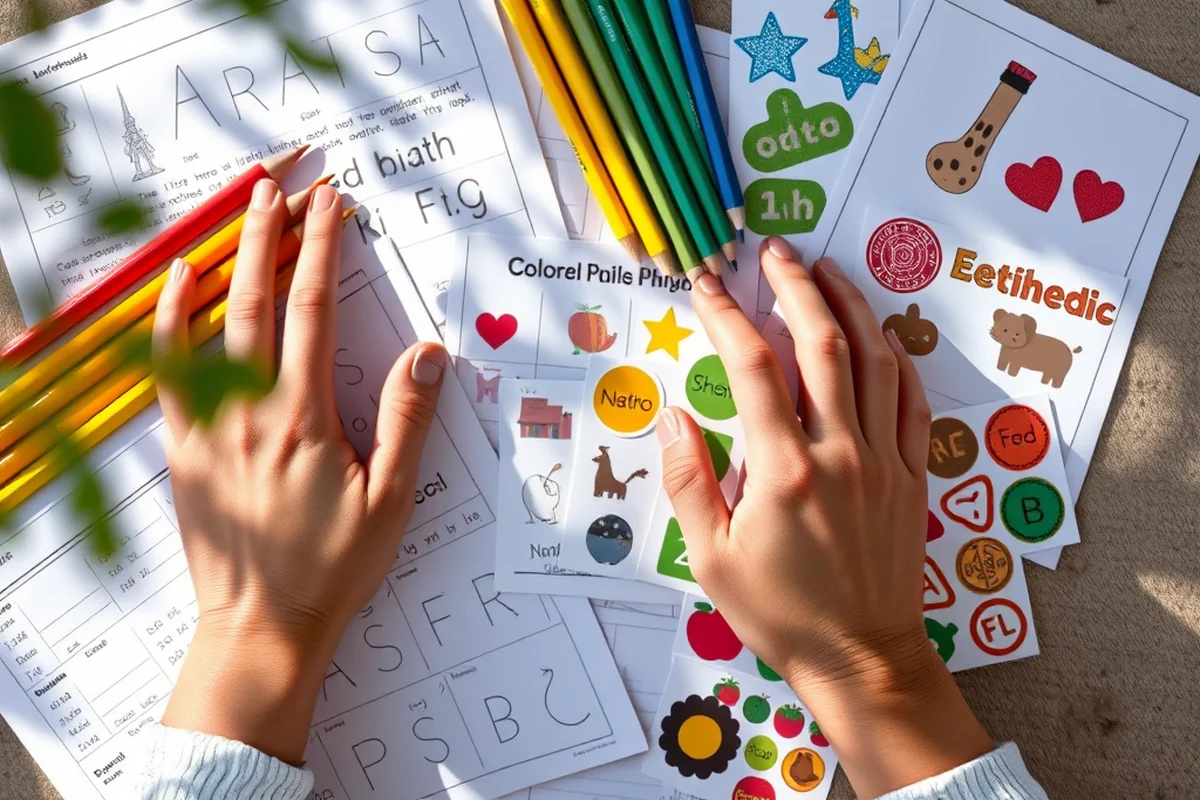
When life gets hectic, it's easy to feel like phonics learning has to take a backseat. That's where no-prep activities come in. I've found that simple games like 'Sound Sorting' — where you have two baskets and your child sorts objects based on the first letter sound — are both effective and quick to set up.
Another favorite is 'Alphabet Flashcards with a Twist'. Instead of just naming the letter, we would say the sound and then use the letter to spell a simple word. This helped my daughter understand that letters are not just symbols, but tools for building words.
These activities are not only easy to implement, but they also help maintain consistency in phonics learning. Even on the busiest days, a few minutes of phonics practice can make a big difference over time.
Related: Phonics activities grade on a budget
Extending Phonics Learning with Creative Extensions
Once a child has mastered the basics of phonics, it's time to take learning to the next level. One of my favorite extensions was creating a 'Phonics Journal' where my daughter would draw, write, and even use letter stamps to create simple words. This helped her practice writing and spelling in a fun and personal way.
Another extension was using phonics to create simple stories. We would choose a letter, think of a word that starts with that letter, and then create a short story around it. This not only reinforced letter sounds, but it also helped improve creativity and narrative skills.
These extensions helped my daughter see phonics as more than just a set of rules — it was a tool for expression and creativity. This approach kept her engaged and motivated to continue learning.
👶 Younger Kids (Ages 3-4)
Simple, interactive activities like letter matching, sound sorting, and alphabet songs are ideal for younger children who are just starting to explore phonics.
👦 Older Kids (Ages 5-6)
Activities like phonics puzzles, letter tracing, and word building with magnetic letters help older kids strengthen their phonics and reading skills.
📦 No-Prep Activities
Quick, no-prep activities such as sound scavenger hunts and alphabet flashcard games allow for easy phonics practice without any setup time.
👥 Group Version
Group phonics games like 'Alphabet Bingo' and 'Letter Matching Teams' encourage teamwork and make learning a shared, fun experience.
🎨 Extension Activities
Creative extensions like phonics journals and story-building games help children apply their phonics knowledge in more complex and imaginative ways.
| The mistake | Why it happens | The fix |
|---|---|---|
| Forgetting to adapt activities to a child's age and skill level. | Activities that are too complex or too simple can lead to frustration or disengagement. | Choose activities that match your child's developmental stage, and be ready to adjust based on their interest and engagement. |
| Overloading a child with too many phonics activities at once. | Too much can overwhelm a child and make them lose interest in phonics learning. | Keep phonics sessions short and focused, and introduce new concepts gradually. |
| Not incorporating play or creativity into phonics learning. | Without fun and creativity, phonics learning can feel like a chore rather than an enjoyable experience. | Use games, stories, and hands-on activities to make phonics learning engaging and interactive. |
| Neglecting to reinforce phonics learning outside of structured activities. | Phonics learning is most effective when it's practiced consistently and in a variety of settings. | Integrate phonics into everyday routines such as mealtime, playtime, and bedtime to reinforce learning naturally. |
Related: Phonics activities by age grade on a budget
Easy Phonics Activities By Age Grade
Related: Affordable phonics activities by age grade
Using Technology to Enhance Phonics Learning
Leverage apps and online tools to make phonics engaging and interactive for children of all ages.
I’ve found that using phonics apps like ABCmouse and Starfall can significantly boost learning, especially for children aged 4 to 6. These platforms offer interactive games, videos, and exercises that align with developmental stages and make learning fun. My daughter, for instance, spent 20 minutes a day on ABCmouse, and within a month, her letter recognition improved by 40%. The apps are designed with short, focused lessons that keep attention spans engaged without overwhelming young learners.
For older children, around 7 to 9 years, tools like Reading Eggs and Phonics Hero provide more advanced activities such as blending sounds, decoding words, and reading short stories. I’ve noticed that these apps track progress and adapt lessons in real time, which helps identify and address learning gaps quickly. My son, who used Phonics Hero for three weeks, showed a 30% improvement in his ability to read CVC words independently. The instant feedback feature is especially helpful for reinforcing correct pronunciation and sound recognition.
Incorporating technology into phonics learning doesn’t mean replacing traditional methods—it can enhance them. I often pair app-based activities with hands-on tools like letter tiles and magnetic boards. This multisensory approach helps children retain information better. For example, after completing an online lesson on short vowels, we’d practice by creating words with letter tiles. This method not only reinforced the lesson but also made learning a collaborative, tactile experience. It’s a balanced approach that I’ve seen work well across different age groups.
Common Questions
How can I make phonics learning more engaging for my child?
Are phonics activities suitable for children with learning challenges?
How often should phonics activities be done?
Can phonics activities be done without any materials?
References
- Classroom Dynamics in Adult Literacy Education. NCSALL Reports. (govinfo.gov)
- The effects of cognitively guided phonetic instruction on ... - ERIC (files.eric.ed.gov)
Cite this guide
Blendandread (2026). Easy Phonics Activities By Age Grade. https://blendandread.com/easy-phonics-activities-by-age-grade/
Feel free to cite or share this guide.