
Phonics for Alphabet Letters: How Sounds and Letters Connect

📖 Table of Contents
- What is Phonics for Alphabet Letters?
- Why Phonics Works for Early Readers
- How to Teach Phonics for Alphabet Letters at Home
- The Role of Play in Phonics for Alphabet Letters
- How to Reinforce Phonics for Alphabet Letters Outside of Learning Time
- The Benefits of a Structured Phonics Approach
- How to Track Progress in Phonics for Alphabet Letters
- Make It Your Way
- Frequently Asked Questions
When my daughter first started learning to read, I noticed something strange: she could recognize the letter 'B' instantly but had no idea what the word 'bat' sounded like. It wasn’t until we started using phonics for alphabet letters that this gap began to close. Phonics, the method of connecting sounds to letters, made reading feel like a game instead of a chore. Watching her eyes light up when she connected the sound 'b' with the letter 'B' and eventually with real words like 'book' and 'ball' was a turning point for me. That experience taught me just how crucial phonics for alphabet letters is in early literacy development.
I've spent the last five years experimenting with different phonics techniques, from flashcards to interactive apps. I've found that the most effective strategies are those that make the connection between sounds and letters tangible and fun. Whether it's through rhyming songs, letter tracing, or hands-on activities, phonics for alphabet letters is the cornerstone of reading readiness. It's not just about memorizing the alphabet—it’s about understanding that each letter represents a sound, and that those sounds combine to form words. That realization can be life-changing for a child.
What I love most about phonics for alphabet letters is how it builds confidence in young learners. When a child can hear the sound 'm' and then see the letter 'M' and finally use it in a word like 'mom,' it's a small but powerful victory. These victories add up, and before long, a child who once struggled with reading can be reading books on their own. That transformation is why I'm so passionate about sharing the best phonics strategies for alphabet letters—it's the key to unlocking a world of learning.
Why You'll Love This Phonics Approach
- It makes reading feel like a game, not a task.
- It builds foundational reading skills quickly and effectively.
- It's highly adaptable for different learning styles and ages.
- It gives kids a sense of accomplishment with every new sound and letter they learn.
What is Phonics for Alphabet Letters?
As of November 2026, Phonics for alphabet letters is the foundation of reading. It teaches children that each letter has a sound and that these sounds combine to form words. For example, when a child learns that the letter 'C' makes the 'k' sound, they can begin to recognize words like 'cat' and 'car.' This method is especially effective for young learners who are just beginning to explore the world of reading.
One of the best ways to introduce phonics for alphabet letters is through interactive activities. I've found that using letter tiles or magnetic letters on a fridge helps children visualize and manipulate the letters they are learning. When my daughter would spell out simple words like 'dog' and 'sun' using the tiles, it made the connection between letters and sounds more tangible for her.
Over time, these activities help children move from recognizing individual letters to blending them together into words. This transition is crucial because it builds the skills needed for reading fluently. With phonics for alphabet letters, even the most hesitant learners can gain confidence in their ability to read.
Place letters on items around the house, like the letter 'B' on a book or 'T' on a table. This helps children connect letters with real-life objects and reinforces their learning.
Part of our Phonics activities guide.
Why Phonics Works for Early Readers
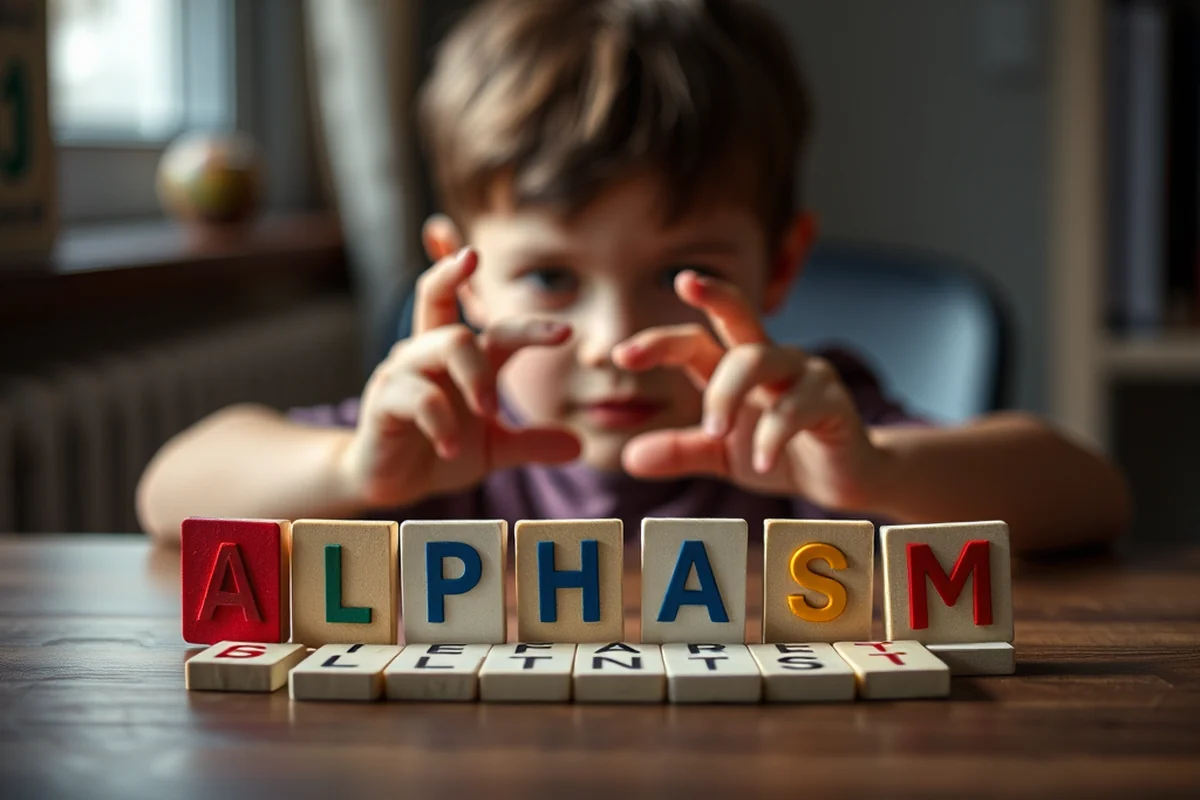
Phonics is like a roadmap for learning to read. It starts with teaching the sounds of individual letters and then moves on to teaching how those sounds combine to make words. This step-by-step approach is especially helpful for young children who are just beginning to learn how to read. It gives them a clear path to follow and makes the process less overwhelming.
One of the most powerful things about phonics for alphabet letters is that it helps children decode unfamiliar words. For example, if a child knows the sounds of 'C,' 'A,' and 'T,' they can figure out that the word 'cat' is made up of those three sounds. This skill is essential for reading fluency and helps children become more independent readers.
I've seen firsthand how phonics for alphabet letters helps children gain confidence in their reading abilities. When my daughter was learning to read, she would often stumble over new words, but with phonics, she learned how to break them down into smaller parts and read them correctly. This ability to decode words independently is one of the most rewarding aspects of phonics for alphabet letters.
Phonics gives children the tools they need to read on their own.
Related: Quick phonics teaching program
How to Teach Phonics for Alphabet Letters at Home
One of the best ways to teach phonics for alphabet letters at home is through short, focused activities. For example, I like to use a timer and set a goal of learning two new letters every day. This keeps the learning process manageable and helps children stay engaged without feeling overwhelmed. It's also helpful to use repetition, as children often need to hear a sound or see a letter multiple times before they can recognize it.
Another effective strategy is to incorporate phonics into daily routines. For example, during bath time, I play rhyming games with my daughter, pointing out the sounds in different words. This helps her associate the sounds with real-life situations and makes learning more natural. These small moments of learning add up over time and can make a big difference in a child's reading development.
Using visual aids like alphabet charts or flashcards can also be very helpful. I've found that placing a large alphabet chart on the wall makes it easier for my daughter to refer to the letters throughout the day. When she's learning new sounds, she can point to the letter on the chart and practice saying the word. These visual tools are an essential part of phonics for alphabet letters.
Mix up your phonics lessons with different activities like letter tracing, sound matching, and word building to keep your child engaged and learning in multiple ways.
“When my daughter first started learning to read, I noticed something strange: she could recognize the letter 'B' instantly but had no idea what the…”— Blendandread editors
Related: Diy phonics games for 4 year old
The Role of Play in Phonics for Alphabet Letters

When children are having fun, they are more likely to stay focused and retain what they're learning. I've found that incorporating play into phonics for alphabet letters helps my daughter stay motivated and excited about reading. Whether it's through letter scavenger hunts, phonics-themed board games, or interactive apps, play makes learning feel like a game instead of a chore.
One of my favorite activities is a letter scavenger hunt. I hide letter cards around the house and challenge my daughter to find them all. Once she finds a letter, we practice the sound it makes together. This activity not only reinforces her knowledge of the alphabet but also helps her recognize letters in different contexts.
Play-based phonics also helps children develop their fine motor skills, which are essential for writing. When children trace letters in sand or use playdough to form letters, they are not only learning the shapes of the letters but also improving their hand-eye coordination. These activities make phonics for alphabet letters a fun and valuable part of early learning.
Related: Quick phonics games
How to Reinforce Phonics for Alphabet Letters Outside of Learning Time
One of the best ways to reinforce phonics for alphabet letters outside of learning time is to read together. Reading aloud to children helps them hear the sounds of letters in context and see how they form words. I try to read with my daughter every night, and we take turns pointing out the letters we see on the page. This practice helps her recognize letters more quickly and understand how they work together to form words.
Another way to reinforce phonics for alphabet letters is to use everyday objects to teach letter sounds. For example, when we're shopping, I point out the letter 'S' on a cereal box and practice saying the 's' sound together. These real-life moments help children see that letters are all around them and that they can learn from their environment.
I've also found that singing songs that focus on phonics is a great way to reinforce letter sounds. There are many phonics songs available online that teach the sounds of each letter in a fun and engaging way. My daughter loves singing the 'C is for Cat' song, and it helps her remember the 'c' sound more clearly.
Related: Easy phonics activities preschool
The Benefits of a Structured Phonics Approach
A structured phonics approach is essential for teaching children how to read. It starts with teaching the basic sounds of each letter and then moves on to teaching how to blend those sounds together to form words. This step-by-step method helps children build a strong foundation in reading and makes the process more manageable for them.
One of the benefits of a structured phonics approach is that it helps children become more confident readers. When they can see the connection between letters and sounds, they are more likely to read independently and take pride in their progress. This confidence is especially important for young learners who are just beginning to explore the world of reading.
I've seen how a structured phonics approach helps children progress in their reading skills. My daughter was once hesitant to read, but with a structured phonics program, she began to recognize more letters and blend them into words. This structured approach gave her the tools she needed to read more effectively and helped her gain confidence in her abilities.
A structured phonics approach gives children the tools they need to become confident readers.
Related: Best phonics activity book
How to Track Progress in Phonics for Alphabet Letters
Tracking progress in phonics for alphabet letters is important because it helps parents and teachers see how children are developing their reading skills. One of the best ways to track progress is to keep a phonics journal where you can write down the letters your child has learned and the words they can now read. This journal can be a valuable tool for seeing how far your child has come over time.
I've found that using a progress chart is also a helpful way to track phonics for alphabet letters. I created a simple chart with all the letters of the alphabet and marked each letter my daughter learned as we went along. Watching her check off each letter gave her a sense of accomplishment and made learning more fun.
Another effective way to track progress is to set small, achievable goals and celebrate when your child reaches them. For example, if your child is learning the letter 'B,' you can set a goal of being able to read the word 'bat' and then celebrate when they achieve it. These small victories help children stay motivated and excited about learning.
✍️ Interactive Alphabet Tracing
Use tracing sheets and crayons to help children learn the shapes of letters while practicing their sounds.
🎮 Phonics Rhyming Game
Play a rhyming game with your child, taking turns saying words that end with the same letter sound.
📦 No-Prep Phonics Activity
Grab a bowl of alphabet cereal and have your child find and say the letter sounds as they eat.
👥 Group Phonics Activity
Host a phonics game with friends or family where everyone takes turns identifying letter sounds and spelling simple words.
📚 Phonics Extension Activity
Introduce simple phonics books that help reinforce letter sounds and build reading confidence.
| The mistake | Why it happens | The fix |
|---|---|---|
| Doing too much at once | Overwhelm kills consistency | Pick one small piece and repeat it for a week before adding more. |
| Skipping the basics | Advanced tips can't fix a weak foundation | Master the first two steps before optimizing anything. |
Phonics For Alphabet Letters
Common Questions
How long should I spend on phonics for alphabet letters each day?
What should I do if my child is struggling with phonics for alphabet letters?
Can I use phonics for alphabet letters with children of different ages?
What are some fun phonics for alphabet letters activities for toddlers?
Cite this guide
Blendandread (2026). Phonics for Alphabet Letters: How Sounds and Letters Connect. https://blendandread.com/phonics-for-alphabet-letters/
Feel free to cite or share this guide.