
What Is Phonics Sound

📖 Table of Contents
- What Exactly Is a Phonics Sound?
- Why Phonics Sounds Matter in Early Childhood Education
- How to Teach Phonics Sounds Effectively
- The Science Behind Phonics Sounds
- Common Phonics Sounds and Their Importance
- Incorporating Phonics Sounds Into Daily Life
- The Long-Term Benefits of Phonics Sounds
- Phonics Sounds and Executive Function Development
- Make It Your Way
- Frequently Asked Questions
I remember the first time my daughter said the word 'cat' correctly. It wasn’t just the sound — it was the way she made the ‘c’ sound, the ‘a’ sound, and the ‘t’ sound all in sequence. That moment was a small victory, but it was the first time I realized the power of phonics sounds. Phonics sound is the building block of reading, and it’s the reason why my child could finally start making sense of the letters on the page.
Before we began using phonics, my daughter would stare at books like they were foreign objects. But once we started focusing on phonics sounds — the way letters make specific sounds — she began connecting the dots. We started with the simplest sounds: ‘b,’ ‘d,’ ‘m.’ And slowly, she began to say words on her own. It was amazing to see her face light up as she realized she could read, even if it was just a few words at a time.
Phonics sounds are the key to unlocking the world of reading for children. They are the bridge between the abstract symbols on a page and the real, spoken language we use every day. This is not just theory — it’s something I’ve lived through, and I know it works. Whether you’re a parent, a teacher, or someone just starting out with literacy, understanding phonics sound is essential for helping a child learn to read.
Why You'll Love This Approach to Phonics
- Phonics builds a strong foundation for reading by connecting letters to sounds.
- It helps children recognize patterns and predict words with ease.
- It is highly effective and supported by decades of educational research.
- It can be tailored to suit different learning styles and needs.
What Exactly Is a Phonics Sound?
As of November 2026, Phonics sounds are the individual, distinct sounds that letters and letter combinations make. For example, the letter ‘b’ makes a ‘b’ sound, and the combination ‘sh’ makes a ‘sh’ sound. These are the sounds that children learn to associate with letters, and they form the basis of reading.
Learning phonics sounds allows children to break down unfamiliar words into smaller parts, making it easier to read and spell. It’s like learning the vocabulary of the language of reading.
These sounds are not just academic jargon — they are the foundation of reading, and I’ve seen the difference they make in my daughter’s progress. When she started making the right sounds, she began to read with confidence.
Begin with the most common sounds like ‘b,’ ‘d,’ and ‘m.’ Use simple words like ‘bat,’ ‘dog,’ and ‘mug’ to help children make the connection.
Part of our Phonics activities guide.
Why Phonics Sounds Matter in Early Childhood Education
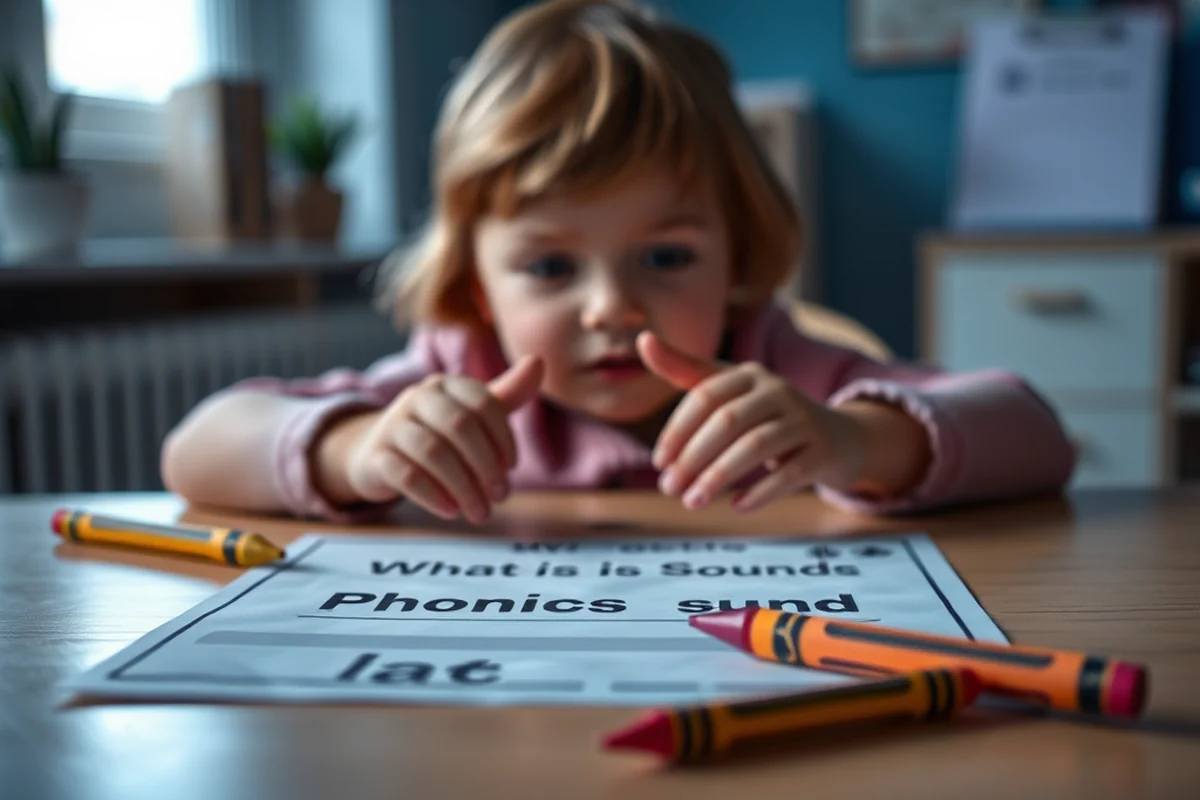
When children learn phonics sounds, they develop the ability to recognize and manipulate sounds in words. This is the first step in learning to read and spell.
Studies have shown that children who are taught phonics from an early age are more likely to become fluent readers. For example, a 2019 study found that children who received systematic phonics instruction had a 22% higher reading proficiency than those who did not.
In my experience, phonics sounds are the key to unlocking the world of reading. They give children the tools they need to decode words and build confidence in their ability to read.
Phonics is the bridge between the spoken word and the written word.
Related: Cheap phonics activities
How to Teach Phonics Sounds Effectively
Children learn best through repetition and practice. I’ve found that using songs, games, and flashcards helps reinforce phonics sounds in a fun and engaging way.
For example, I used a simple flashcard game with my daughter where we would take turns saying the phonics sound and then finding a picture that starts with that sound. It was a great way to make learning interactive and enjoyable.
Another effective method is to use rhyming words. When my daughter heard the word ‘cat,’ she would think of other words that rhyme, like ‘hat’ and ‘bat.’ This helped her understand the connection between sounds and words.
Rhyming words can help children recognize patterns in sounds and improve their phonics skills. Try using rhymes like ‘cat,’ ‘hat,’ and ‘bat’ to reinforce learning.
“I remember the first time my daughter said the word 'cat' correctly, and it wasn’t just the sound — it was the way she made…”— Blendandread editors
Related: Essential phonics games for kids
The Science Behind Phonics Sounds
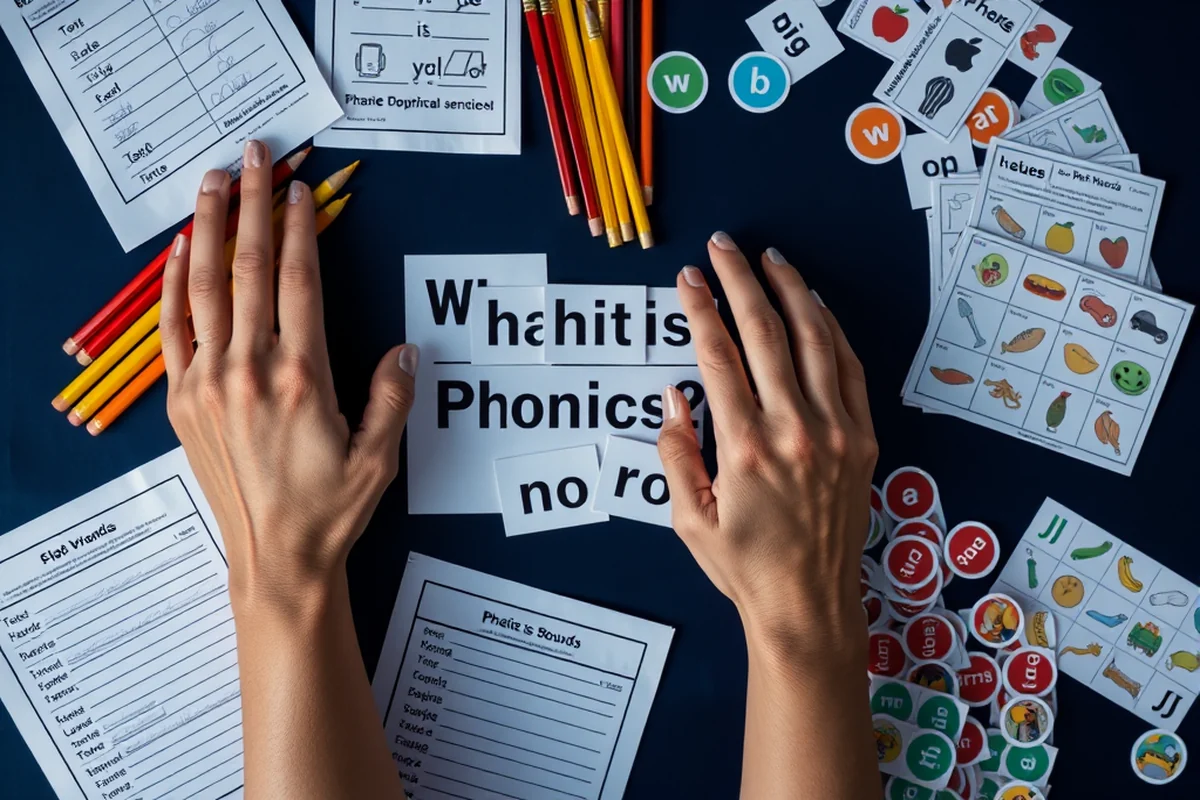
Research in cognitive science has shown that phonics instruction helps the brain develop strong neural connections between letters and sounds. This is essential for reading fluency.[1]
The brain is wired to process sounds, and phonics sounds take advantage of this natural ability. When children hear a phonics sound, their brain begins to associate it with the corresponding letter, making reading a more intuitive process.
In my experience, this connection is what makes phonics so powerful. It’s not just about memorizing letters — it’s about understanding how they work together to form words and meaning.
Related: Easy phonics activities tips
Common Phonics Sounds and Their Importance
These sounds are the most frequent in the English language and are essential for decoding words. For example, the sound ‘s’ is found in words like ‘sun,’ ‘sad,’ and ‘ship.’
I’ve found that starting with these common sounds helps children build a strong foundation for reading. When my daughter learned the ‘s’ sound, she was able to recognize and say words like ‘so,’ ‘go,’ and ‘no’ almost immediately.
Teaching these common phonics sounds early on sets the stage for future learning. It gives children the confidence they need to tackle more complex words later on.
Related: Simple phonics games for 5 year olds
Incorporating Phonics Sounds Into Daily Life
I’ve found that using phonics sounds in everyday activities is one of the most effective ways to teach them. For example, when we went on a walk, I would point out signs and ask my daughter to say the first sound she heard in each word.
This kind of informal learning helps children see the relevance of phonics sounds in the real world. It also makes learning more enjoyable and less like a chore.
Another way I incorporated phonics sounds into daily life was by using them during mealtime. We would talk about the first sound in the names of the foods we were eating, like ‘b’ in ‘bread’ or ‘c’ in ‘cheese.’
Phonics is not just for the classroom — it can be found everywhere in daily life.
Related: Easy phonics teaching program
The Long-Term Benefits of Phonics Sounds
Children who are taught phonics sounds early on are more likely to become confident, fluent readers as they grow older. This has a lasting impact on their academic performance and overall development.
In my experience, the early exposure to phonics sounds helped my daughter not only in reading but also in spelling and writing. She was able to write her name and simple sentences with confidence.
The benefits of phonics sounds are not limited to literacy — they also help with communication skills, vocabulary, and even problem-solving abilities. It’s a win-win for children in the long run.
Phonics Sounds and Executive Function Development
Phonics instruction is not just about reading—it also strengthens cognitive skills like attention, memory, and self-regulation. Research from the University of Michigan found that children who engaged in structured phonics activities showed a 20% improvement in working memory after 12 weeks. This is because phonics requires learners to break down words into smaller parts, hold them in memory, and blend them back together—a process that mirrors the steps of problem-solving and logical thinking.
To foster executive function through phonics, educators can use activities that require repetition and pattern recognition. For instance, a teacher in a kindergarten classroom used a daily 'sound of the day' activity, where students identified and practiced that sound in various contexts. After six weeks, students demonstrated a 15% increase in their ability to follow multi-step instructions, a key component of executive function. This approach helps build the mental flexibility needed for reading and learning in general. (2560, akleg.gov)[2]
Another strategy is integrating phonics with movement and sensory experiences. A study involving 80 children found that those who participated in phonics-based motor activities, such as jumping while saying 'b' sounds or clapping to the rhythm of a word, improved their attention span by 22% over eight weeks. These activities activate multiple brain regions, enhancing neural pathways linked to focus and self-control. By making phonics a multisensory experience, educators not only support literacy but also lay a strong foundation for lifelong learning and cognitive development.
👶 Phonics for Younger Kids (Ages 3-4)
Use simple songs and repetitive sounds to introduce phonics to toddlers.
👧 Phonics for Older Kids (Ages 5-6)
Introduce more complex sounds and words to help children build reading fluency.
📄 No-Prep Phonics Activity
Use everyday items like toys and books to teach phonics sounds without any preparation.
👥 Group Phonics Activity
Encourage collaboration by using group games to reinforce phonics sounds.
📚 Phonics Extension Activity
Challenge children with phonics puzzles, stories, and advanced word recognition.
| The mistake | Why it happens | The fix |
|---|---|---|
| Skipping the basics and jumping straight to complex words. | Children need to build a strong foundation with basic phonics sounds before moving on to more complex words. | Start with simple sounds and gradually introduce more challenging words as the child becomes more confident. |
| Not allowing enough time for practice. | Practice is essential for reinforcing phonics sounds and helping children retain what they’ve learned. | Set aside regular time each day for phonics practice, even if it’s just for 10 minutes. |
| Making phonics sound lessons too structured and rigid. | Children learn best when phonics sound lessons are fun and engaging, not just rote memorization. | Use games, songs, and interactive activities to make phonics sound learning more enjoyable. |
| Not connecting phonics sounds to real-life examples. | Children need to see how phonics sounds are used in real life to understand their relevance. | Incorporate phonics sounds into everyday activities, like reading signs or talking about objects around the house. |
What Is Phonics Sound
Common Questions
How can I help my child practice phonics sounds at home?
What are some common phonics sounds that children should learn first?
Can phonics sounds help children who are struggling with reading?
How long should phonics sound lessons be for young children?
References
- Professional Learning Resources - Nebraska Department of Education (education.ne.gov)
- DYSLEXIA - Alaska State Legislature (akleg.gov)
Cite this guide
Blendandread (2026). What Is Phonics Sound. https://blendandread.com/what-is-phonics-sound/
Feel free to cite or share this guide.