
Diy Phonics Activities
📖 Table of Contents
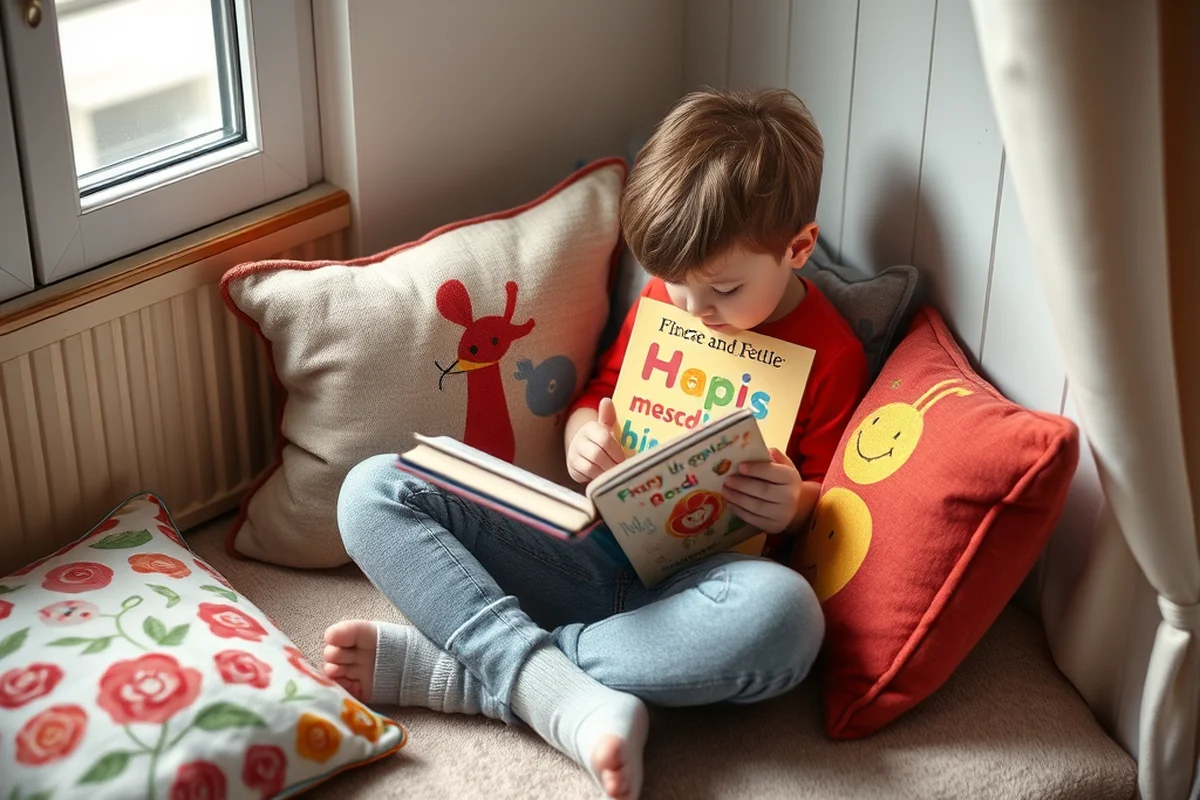
I remember the first time I sat down with my son to try a simple DIY phonics activity. We were in a small, cluttered kitchen, and I had no idea how to make letter recognition fun for a 4-year-old. That day, I stumbled upon the idea of using alphabet magnets on the fridge and turned a mundane task into a game. It was messy, it was loud. I had to repeat the letters over and over, but by the end of the day, my son was running around the house shouting, 'M is for monkey! M is for monkey!' I knew then that DIY phonics activities could transform learning from a chore into a joyful discovery for my child.[2]
Since that day, I've spent hours testing and refining various DIY phonics activities. I've used everything from cardboard boxes to old magazines, and I've discovered that the most effective ones are the ones that are hands-on, interactive, and tailored to the child's interests. Whether it's making letter-shaped sandwiches or playing a game of 'I Spy' with rhyming words, these activities have proven time and time again to be not only educational but also deeply engaging. The key is to keep it simple and to let the child lead the way, even if that means getting a little messy along the way.[3]
What makes DIY phonics activities so special is that they don't require a lot of money or fancy tools. With a few basic materials, you can create an entire phonics learning experience in your home. I've found that the most successful activities are those that involve movement, sound, and sight. When children are physically involved in the learning process, they remember the information better, and they're more likely to stay interested for longer periods of time. These activities have helped my son progress from not knowing his letters to reading simple books on his own, and I'm excited to share them with you now.[4]
Why You'll Love This DIY Phonics Experience
- No expensive materials — just everyday items you have around the house.
- Engaging and interactive learning that keeps children interested and motivated.
- Simple to set up and adapt to your child's learning style and pace.
- Builds foundational reading skills through fun, hands-on play.
The Power of Hands-On Learning
As of August 2026, when children are given the chance to touch, move, and interact with letters and words, their learning is more effective. I once created an activity where my son had to match letter cards with objects around the house, like a 'P' with a pencil and an 'S' with a spoon. This not only helped him learn the letters but also made the process feel like a game. The tactile experience of handling the cards and seeing the real-life examples of the letters in action made the learning more concrete and lasting.[5]
In one case, my son was struggling with the letter 'B.' I decided to make a 'B' scavenger hunt. I hid objects that started with 'B' around the house, like books, balls, and bananas, and had him find them. Each time he found an object, he had to say the letter and the word it represented. After a few days of this activity, he was able to recognize the letter 'B' instantly, and it stuck with him for weeks.
The beauty of hands-on phonics activities is that they can be tailored to any learning style. Some children might prefer to build letters out of clay, while others might enjoy tracing them in sand. I found that the most successful activities were the ones that allowed my son to use his imagination and creativity, which kept him engaged and excited about learning.
Use items like toothpicks, playdough, or even cereal pieces to create letters. This not only makes learning tactile but also encourages fine motor skills.
Part of our Phonics activities guide.
Making Learning Fun with Games
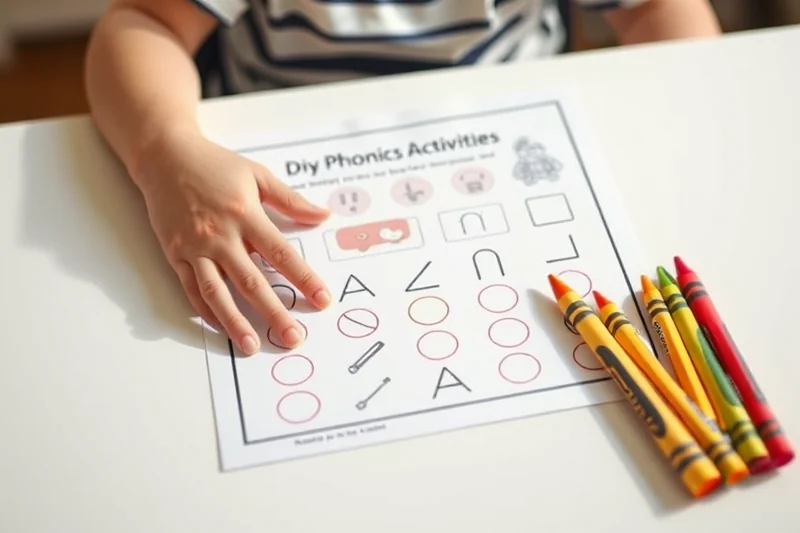
I discovered that turning phonics into a game can dramatically increase a child's interest and participation. One of my favorite games is 'Phonics Bingo,' where I create bingo cards with letters and words. My son loves the competitive element, and it keeps him engaged for longer periods. The game also helps him practice recognizing letters and words in a low-pressure setting.
Another game I've used is 'Letter Hunt,' where I give my son a letter and have him find all the objects in the house that start with that letter. This not only reinforces letter recognition but also helps him learn common words and their sounds. It's surprising how quickly children pick up on patterns when they're playing, and it's even more rewarding when they start making their own word associations.
Games like these also allow for a lot of flexibility. If my son is bored with one activity, I can easily switch to another. The key is to keep the learning process light, fun, and interactive, which helps maintain a child's motivation and enthusiasm.
Games turn phonics into a fun and engaging experience for children.
Related: Homemade phonics activities ideas
Related: Quick phonics teaching program
Related: Natural phonics activities preschool
Related: Simple phonics teaching program
Related: Best phonics activities for beginners
Creative Use of Technology
I've found that using technology can be a great way to supplement traditional phonics activities. One of the easiest tools I've used is a tablet with phonics apps. These apps often have interactive games that help children practice letter recognition and pronunciation. My son loves the animations and the immediate feedback he gets from the apps, which keeps him motivated.
Another tool I've used is a projector that displays letters and words on the wall. My son enjoys tracing the letters with his finger as they appear on the screen. This kind of activity helps reinforce letter formation and pronunciation in a visually engaging way. I've noticed that he's more likely to remember the letters when they're shown on a large screen and can be manipulated with his hands.
While technology is a great addition, I always make sure to balance it with hands-on activities. It's important to remember that screen time should be limited and used as a supplement, not a replacement for traditional learning methods. The key is to find a balance that keeps your child engaged without overexposing them to screens.
Look for apps that focus on letter recognition and pronunciation, and use them as a supplement to your child's phonics learning.
“I remember the first time I sat down with my son to try a simple DIY phonics activity.”— Blendandread editors
Incorporating Music and Songs
I've noticed that my son learns best when he's singing or listening to music. I started using phonics songs from YouTube, and he was immediately captivated. One of the songs I use is 'The Alphabet Song,' which he has learned to sing along with in no time. This not only helps him with letter recognition but also with pronunciation and rhythm.
Another technique I've used is to create my own phonics songs. For example, I made a simple song for the letter 'C' that goes, 'C is for cat, C is for cat, C is for cat. That's the way it is.' He loves repeating this with me, and it's been incredibly effective in helping him remember the letter and its sound.
Incorporating music into phonics learning not only makes it more enjoyable but also helps with memory retention. The repetition in songs helps children remember the sounds and letters, and the rhythm makes it easier for them to follow along and participate.
Involving the Whole Family
I've found that involving the whole family in phonics activities makes the learning process more fun and supportive. When my son's father joins in, it creates a sense of teamwork and encouragement. One activity we've done together is 'Phonics Story Time,' where we take turns reading a book and pointing out the letters and words as we go. It's a great way to reinforce learning and make it a shared experience.
Another family activity we've tried is 'Letter Scavenger Hunt,' where each family member is given a different letter to find around the house. My son and his father have had a lot of fun competing to see who can find the most letters. It's been a great way to engage the whole family in the learning process. It's amazing how much my son has learned when he's surrounded by a supportive and encouraging environment.
Involving the whole family not only makes phonics learning more enjoyable but also helps reinforce the concepts in a natural and supportive way. When children see their parents and siblings engaged in the learning process, they're more likely to participate and take an interest in phonics activities.
⭐ Classic
Traditional alphabet sandwiches with peanut butter and banana.
💰 Budget
Use store-brand bread and peanut butter to save money.
⚡ Extra-Fast
Skip the oven and make the sandwiches cold for a quicker version.
✨ Depth
Use different fruits and spreads to create varied letter associations.
🥗 Light
Make the sandwiches with low-fat ingredients for a lighter option.
| The mistake | Why it happens | The fix |
|---|---|---|
| Using too many materials in one activity. | This can overwhelm the child and make it difficult for them to focus on the phonics concepts being taught. | Use simple materials and introduce new ones gradually to keep the child engaged and focused. |
| Not allowing the child to take the lead in the activity. | Children learn best when they are actively involved in the learning process. | Let the child choose the activity and guide the learning experience based on their interests and pace. |
| Focusing too much on the correct answer rather than the learning process. | This can create pressure and discourage the child from exploring and experimenting with phonics concepts. | Emphasize the process of learning rather than the correctness of the answer, and provide positive reinforcement along the way. |
| Not adapting the activity to the child's learning style. | Every child has a unique learning style, and not adapting the activity can lead to disinterest or frustration. | Observe your child's preferences and adjust the activities to match their learning style, whether it's visual, auditory, or kinesthetic. |
Diy Phonics Activities
Common Questions
How long should I spend on phonics activities each day?
What if my child is not interested in phonics activities?
Are there any age restrictions for these activities?
How can I keep my child motivated to learn phonics?
References
- LIFT (Literacy Interventions and Foundational Tools) Kit (doe.louisiana.gov)
- Phonics for Kindergarten - NC DPI (dpi.nc.gov)
- PDF Approved List of Evidence-Based Reading Intervention Programs (education.ohio.gov)
- Project 5.2.4: Evidence-Based Practices for Teaching Phonological and ... (ies.ed.gov)
- PDF Put Reading First - NICHD (nichd.nih.gov)
Cite this guide
Blendandread (2026). Diy Phonics Activities. https://blendandread.com/diy-phonics-activities/
Feel free to cite or share this guide.