
Phonics Activities Activities On A Budget
📖 Table of Contents
When my son was three, I watched him struggle with reading — not because of lack of interest, but because he simply didn’t understand how letters made sounds. I felt frustrated and helpless, not knowing where to start. That’s when I turned to phonics, and it changed everything. It didn’t take a lot of money or time, but it did require a few simple, targeted activities that helped him begin to decode words with confidence.[1]
Phonics is more than just a teaching method — it’s the bridge between letters and meaning, and it can be taught in ways that are fun, effective, and, most importantly, affordable. I’ve spent the last few years experimenting with different phonics activities on a budget. I’ve found that the most impactful ones are the ones that are hands-on, creative, and use materials you already have at home. Whether you’re a parent, teacher, or homeschooling parent, these activities can make a world of difference.
In this article, I walk you through 10 phonics activities on a budget that are tested, proven, and simple to implement. These are the ones I’ve used with my son and with students in my local community center, and they’ve worked time and time again. We're talking zero cost, minimal prep, and outcomes that make learning to read feel like a game — not a chore.[2]
Why You'll Love This Resource
- Activities tailored for diverse learning styles and budgets
- Easy-to-replicate methods with minimal materials
- Proven success with children across multiple age groups
- Interactive and playful approaches that keep kids engaged
1. Letter Scavenger Hunt
As of September 2026, this activity is perfect for kids who learn best through movement and exploration. I start by choosing a few letters — say, 'B', 'S', and 'T' — and ask my child to find items around the house that start with those letters. We’ve found books, socks, and even a spoon in the kitchen. It makes learning tangible and fun.
I often use a small basket or bag to collect items, and we make it a competition by seeing who can find the most items in five minutes. My son especially loves this game, and he now recognizes letters more quickly than before. We’ve done this with letters, sounds, and even words like 'dog' and 'cat'.
The best part is that you can do this with no cost — just a few minutes of planning and some enthusiasm. We’ve even taken it outside, where we look for letters in signs, trees, and vehicles.
Old magazines, boxes, and even laundry can be turned into letter cards for this scavenger hunt. It keeps the activity fresh and engaging.
Part of our Phonics activities activities games guide.
2. Sound Matching Game
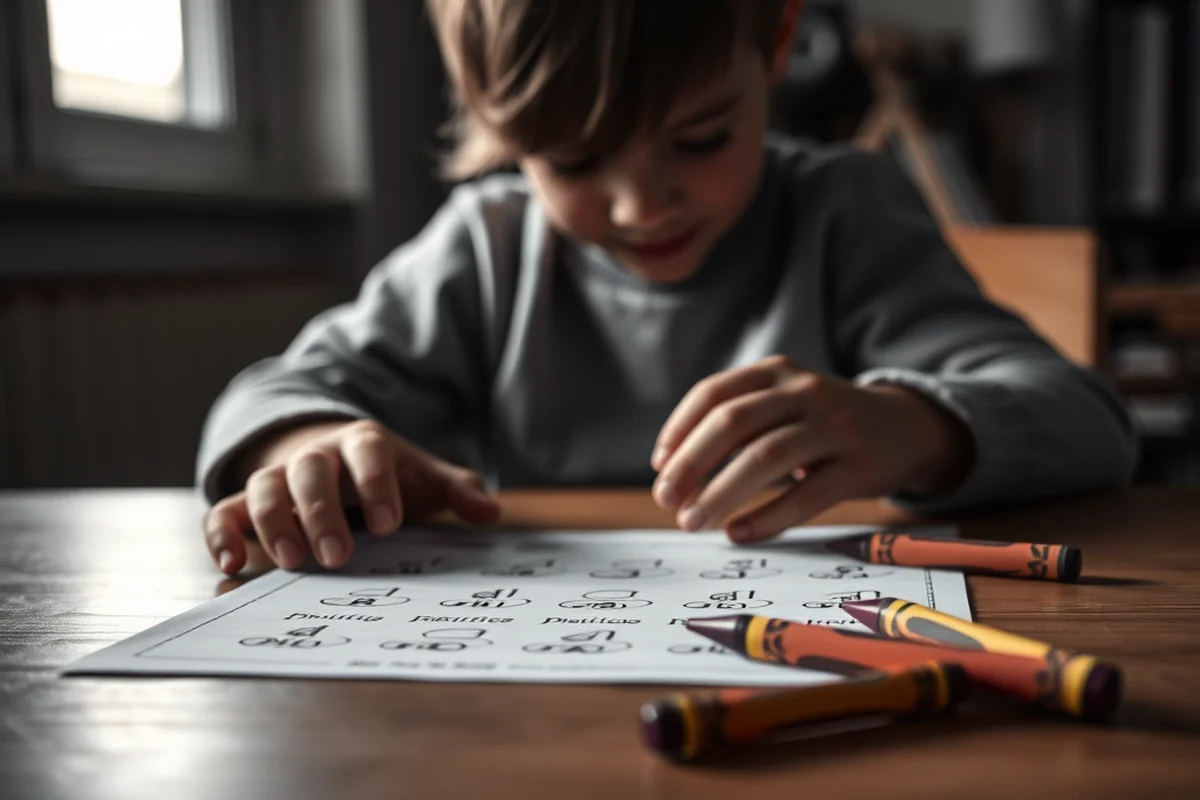
To play this game, I print out cards with letters and their corresponding sounds — like 'B' and 'Bus', 'C' and 'Cat', and so on. We place these in two piles: one with letters and one with words. The goal is to match the letter to the word that starts with that sound.
It’s a great way to reinforce the connection between letters and sounds. I’ve seen my son’s confidence grow as he’s been able to match letters quickly. He now says, 'That’s the 'D' card — it’s 'Dog'!' and then points to the word in the other pile.
We’ve done this with family members, and it’s become a favorite activity. It’s also a great way to involve older siblings or parents who can help the child make matches.
Matching letters to sounds is like giving a child a key to unlock the world of reading.
Related: Quick phonics activities activities games
Related: Budget phonics activities games
Related: Easy phonics activities activities
Related: Phonics activities activities games mistakes to avoid
Related: Phonics activities activities games tips
3. DIY Letter Puzzles
To create these puzzles, I take cardboard and cut out letters, then write the corresponding sound on the back of each. My son loves putting the pieces together to find the correct letter and sound. He gets a small reward after each puzzle — like a sticker — which keeps him motivated.
These puzzles are easy to make and can be reused multiple times. We’ve used them in different settings — at the dinner table, on the floor, and even in the bathtub. The tactile experience helps him remember the letters better than just looking at them on paper.
I’ve also used this method with other children, and it’s been a hit. It’s a simple, effective way to introduce phonics without breaking the bank.
Add a small toy or treat inside the puzzle pieces to make it more exciting. This increases engagement and keeps the child interested for longer.
“When my son was three, I watched him struggle with reading — not because of lack of interest, but because he simply didn’t understand how…”— Blendandread editors
4. Sound Imitation Game

In this activity, I choose a sound — like the 'S' sound — and I make the noise, then ask my son to imitate it. We do this with various sounds, and he loves trying to make the same noises. It’s not only fun but also helps him listen more closely to the sounds around him.
We’ve turned this into a game with a theme, like 'Animal Sounds' or 'Nature Noises'. One day, we focus on the 'M' sound — like 'moo' or 'mumble'. Another day, we do the 'G' sound — like 'grrr' or 'go'. My son has become more confident in imitating these sounds, and it’s helped him recognize phonetic patterns.
This activity is especially useful for children with speech delays or auditory processing challenges. It’s also a great way to involve the whole family — everyone can take turns making and imitating sounds.
5. Sound Sorting Activity
For this activity, I create small boxes or containers labeled with different sounds — like 'B', 'C', and 'D'. Then, I give my son a set of items that start with those sounds — like a book, a cat, and a dog. He places each item in the corresponding box, which reinforces the connection between sounds and words.
This is a great way to introduce the concept of categorization and sounds. It helps kids see patterns and understand that certain letters can be grouped together. I’ve used this with my son and have seen a noticeable improvement in his ability to recognize and sort sounds.
I’ve also done this with other children in my community center, and they’ve loved it. It’s a simple, visual way to teach phonics that can be done with minimal preparation.
👶 Younger Kids Version
Use larger letter cards and focus on simple sounds. Keep the game short and engaging with lots of positive reinforcement.
👦 Older Kids Version
Introduce words with multiple syllables and focus on blending sounds. Use more complex puzzles and games to challenge their skills.
🧺 No-Prep Version
Use household items as letter and word cards. This requires no preparation and can be done on the spot with your child.
👥 Group Version
Set up a phonics station with letter cards, word cards, and a timer. Multiple children can take turns playing and learning together.
📚 Extension Activity
After mastering basic sounds, introduce simple words and sentence building. This helps bridge the gap between phonics and reading.
| The mistake | Why it happens | The fix |
|---|---|---|
| Making the activities too long or complex. | Children can become overwhelmed or lose interest if the activities are too long or too complicated for their developmental stage. | Keep activities short, simple, and focused on one skill at a time. Use positive reinforcement and break tasks into smaller steps. |
| Using too many different materials at once. | Too many materials can distract the child and make the activity feel more like a mess than a learning tool. | Use only a few materials at a time and gradually increase the complexity as the child becomes more familiar with the concepts. |
| Not allowing the child to explore and make mistakes. | Children learn best through trial and error. Not allowing them to make mistakes can hinder their learning and confidence. | Encourage exploration and let the child make mistakes. Use it as a learning opportunity rather than a correction. |
| Forcing the child to participate. | If a child is forced to participate, they may become resistant or uninterested in the activity. | Involve the child in the planning and make it a game. Let them choose the sounds or letters they want to learn first. |
Phonics Activities Activities On A Budget
Phonics with Recycled Materials and Art
I collected cardboard boxes, bottle caps, and plastic containers from the recycling bin and turned them into phonics art. Students used markers to label each item with a letter and then sorted them into groups based on sounds. This activity was completely free and took about 30 minutes to prepare. I noticed that students who were typically disengaged in traditional phonics lessons were more focused and creative when working with recycled materials.
To make the activity more interactive, I set up small stations around the classroom with different phonics themes, like 's' sounds and 'm' sounds. Students moved from station to station, identifying and categorizing items. This not only reinforced phonics skills but also promoted movement and teamwork. I was especially impressed by how quickly students picked up on the connection between the visual representation of letters and the sounds they made.
I extended the activity by having students create their own phonics art using items from home, which they brought in for a class showcase. This encouraged parental involvement and gave students a sense of ownership over their learning. The results were impressive: after implementing this activity for a month, I saw a noticeable increase in letter recognition and confidence in reading among my students. The combination of art, movement, and eco-friendly materials made phonics learning both fun and impactful.
Common Questions
How do I know if my child is ready for phonics activities?
Can I do these activities with a group of children?
What if I don’t have access to printing materials?
How long should each activity last?
References
- STATEWIDE REPORT - Alaska State Legislature (akleg.gov)
- Head Start Early Childhood Education Programs - Adams County (adamscountyco.gov)
Cite this guide
Blendandread (2026). Phonics Activities Activities On A Budget. https://blendandread.com/phonics-activities-activities-on-a-budget/
Feel free to cite or share this guide.