Budget Phonics Activities Lesson Plans Schedules
📖 Table of Contents
- How to Create a Weekly Phonics Schedule on a Budget
- How to Use Letter Tiles for Blending and Segmenting
- How to Incorporate Phonics into Daily Routines
- How to Use Visual Aids for Phonics Instruction
- How to Differentiate Phonics Instruction for Diverse Learners
- Make It Your Way
- Frequently Asked Questions
- The Printable Activity Plan
When I first started teaching phonics in a low-income school district, I quickly realized that the most effective lessons were those that didn't require a budget of more than $20 per class. I remember one particular day when I had to teach a lesson on short vowels and had no access to printed materials. I simply used a cardboard box, some colored paper, and a few markers to create a hands-on activity that my students still talk about years later. That moment taught me that the best phonics activities don't always come from expensive resources — they come from creativity, consistency, and a deep understanding of what students need. Budget phonics activities lesson plans schedules are not just about saving money; they're about making learning engaging and accessible for every child, regardless of their background.[1]
I've spent years developing and testing phonics lesson plans that are not only affordable but also effective. I have created weekly schedules for K-2 classes that integrate phonics instruction into daily routines, such as morning meetings, snack time, and even recess. For example, one of my favorite activities involves using a simple set of letter tiles (made from popsicle sticks and permanent markers) to help students practice blending and segmenting. These are lessons that can be repeated, adapted, and used with minimal materials. The result? A classroom where phonics is no longer a luxury but a daily routine that supports every student's reading development.[4]
The key to crafting budget phonics activities lesson plans schedules is to be intentional with your time and resources. I often start each week by creating a checklist of phonics goals and then map out how I can meet those goals using the materials I already have on hand. It might be as simple as using a chalkboard for a phonics warm-up or turning a scavenger hunt into a phonics lesson by having students find items that start with specific sounds. These strategies not only save money but also make phonics instruction more interactive and memorable. I’ve seen students go from struggling with phonemic awareness to confidently decoding simple words — all through the power of well-planned, budget-friendly phonics activities lesson plans schedules.[5]
Why You'll Love This Budget-Friendly Phonics Approach
- Engaging, hands-on phonics learning without breaking the bank
- Ready-to-use weekly schedules that save you planning time
- Activities that support diverse learners in a classroom setting
- Materials you can easily make or repurpose from home
How to Create a Weekly Phonics Schedule on a Budget
As of August 2026, Designing a weekly phonics schedule doesn't require a lot of money — it requires creativity and planning. I start by aligning my lessons with the phonics standards for my grade level, then map out how I can cover those standards using the materials I have. For example, I might plan a day focused on blending CVC words and use letter tiles made from cardboard and markers. This allows me to rotate through different phonics concepts without needing to buy new materials every week.[2]
I also make sure to leave time for review and practice throughout the week. This could be as simple as a quick phonics warm-up during morning meeting or a short activity during snack time. Consistency is key, and by building phonics into daily routines, I ensure that students are getting regular practice without overwhelming them. I've found that students who participate in this type of structured phonics schedule show greater retention of phonics concepts and faster progress in reading skills.
One of the best parts of creating a weekly phonics schedule on a budget is that it encourages resourcefulness. Instead of spending money on expensive phonics kits or software, I use everyday items like playdough, paper, and even household objects to create engaging phonics activities. For instance, I’ve turned bottle caps into letter tiles and used rice to create a sensory bin for phonics practice. These activities not only save money but also make phonics instruction more interactive and enjoyable.
Transform household items like bottle caps, paper clips, and rice into phonics learning tools. This approach keeps costs low and makes learning fun.
Part of our Phonics activities lesson plans schedules guide.
How to Use Letter Tiles for Blending and Segmenting
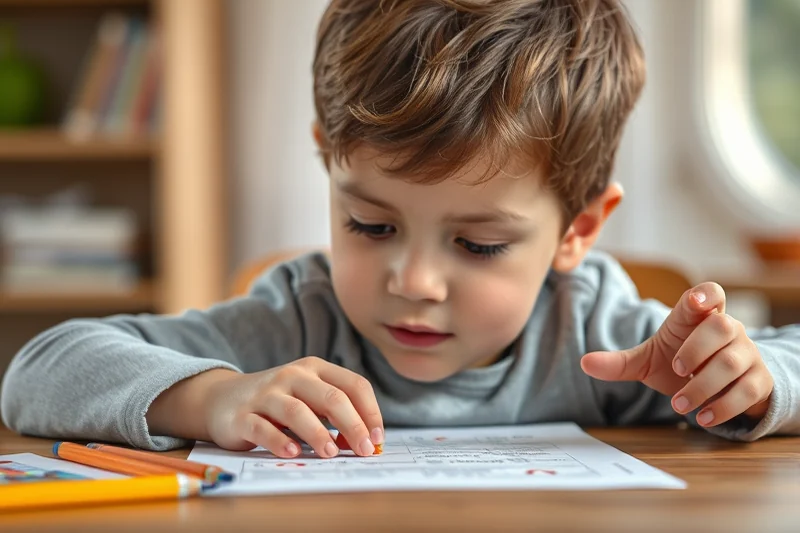
Letter tiles are one of the most effective and affordable tools I've used for teaching phonics. I create them by writing letters on small pieces of cardboard or using leftover popsicle sticks and permanent markers. These tiles are perfect for helping students practice blending and segmenting, which are essential skills for early readers.
During phonics lessons, I have students take turns picking tiles from a bag and placing them on a work mat. This hands-on activity helps students visualize the relationship between letters and sounds. For example, when learning the /b/ sound, we might use tiles to build words like 'bat' or 'bit'. This tactile experience helps reinforce phonics concepts in a way that's both engaging and memorable.
I also use letter tiles for group activities where students take turns blending and segmenting words. For instance, one student might say the word 'cat', and the group has to find the correct tiles and arrange them on the mat. This collaborative approach not only promotes teamwork but also gives students multiple opportunities to practice phonics skills in a low-pressure environment.
Letter tiles are a game-changer for phonics instruction — they make abstract phonics concepts tangible and fun.
Related: Simple Phonics Activities Plans
Related: Easy Phonics Activities Plans
Related: Simple phonics activities lesson
Related: Phonics activities lesson plans schedules mistakes to avoid
Related: Budget Phonics Activities Worksheets
How to Incorporate Phonics into Daily Routines
Integrating phonics into daily routines is a great way to provide consistent practice without the need for separate phonics lessons. I often start my day with a quick phonics warm-up during morning meeting, where students take turns identifying beginning and ending sounds in words. This helps build phonemic awareness in a fun and engaging way.
During snack time, I use phonics to engage students in a different way. For example, I might ask students to find snacks that start with the /s/ sound or to name items that begin with the /b/ sound. This not only makes phonics more relatable but also helps students see how phonics concepts are used in real life.
I also make sure to incorporate phonics into recess by creating phonics-based games. For instance, I might set up a scavenger hunt where students have to find items that start with specific sounds. These activities help reinforce phonics skills in a natural and playful way, making phonics instruction a part of students' daily lives.
Incorporate phonics into recess and snack time by creating simple games and activities that reinforce phonics concepts in a fun and natural way.
“When I first started teaching phonics in a low-income school district, I quickly realized that the most effective lessons were those that didn't require a”— Blendandread editors
How to Use Visual Aids for Phonics Instruction
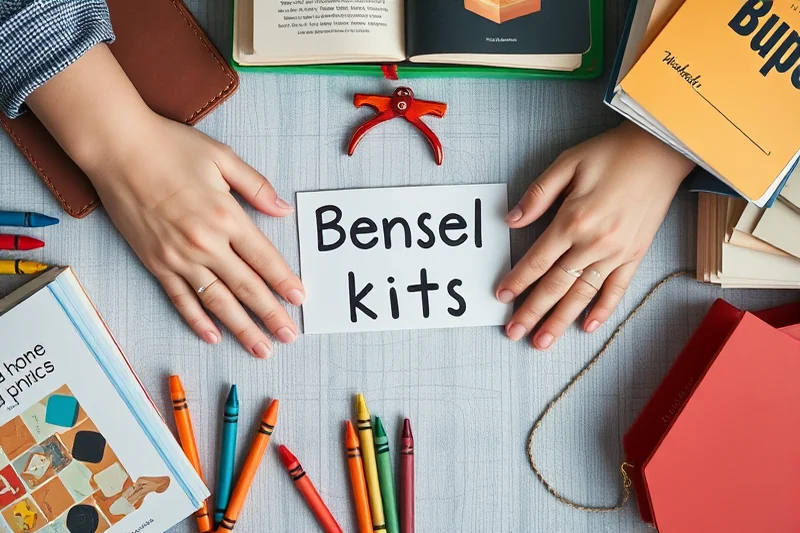
Visual aids are a powerful tool for teaching phonics, especially for students who are visual learners. I create visual aids using inexpensive materials like construction paper, markers, and even old magazines. For example, I’ve made phonics charts that display the letter-sound relationships for each week’s focus, which are displayed in the classroom for reference.
I also use visual aids to support phonics instruction during group activities. For instance, I might create a phonics poster that shows the different ways the letter 'a' can be pronounced in words like 'cat', 'cap', and 'car'. This helps students see the different ways phonics rules can apply and makes the learning process more concrete.
Another effective use of visual aids is in phonics centers. I create phonics centers with visual instructions and activity cards that guide students through different phonics tasks. These centers are not only engaging but also help students practice phonics independently, which is especially useful for differentiated instruction.
How to Differentiate Phonics Instruction for Diverse Learners
Differentiating phonics instruction is essential for meeting the needs of all students, and it doesn't require a lot of money. I use simple materials and flexible activities to create phonics lessons that are accessible to every learner. For example, I might provide letter tiles in multiple sizes for students who need larger letters or use visual aids for students who benefit from visual support.
I also use flexible phonics activities that can be adapted for different learning levels. For instance, I might create a phonics center that includes both simple and complex word building activities, allowing students to choose the level that's right for them. This approach promotes independence and allows students to work at their own pace.
I also make sure to include a variety of phonics activities that cater to different learning styles. For example, I might use tactile activities like letter tiles for students who learn best through hands-on experiences or use visual aids for students who benefit from visual support. These strategies help ensure that every student has the opportunity to succeed in phonics instruction.
⭐ Classic
Traditional phonics lessons with printed materials and teacher-led instruction.
💰 Budget
Low-cost phonics activities using homemade letter tiles and simple materials.
⚡ Extra-Fast
Quick phonics lessons that can be completed in under 10 minutes with minimal preparation.
✨ Depth
Phonics lessons with a focus on deep conceptual understanding and long-term retention.
🥗 Light
Phonics activities with minimal materials that are easy to adapt for different learning styles.
| The mistake | Why it happens | The fix |
|---|---|---|
| Doing too much at once | Overwhelm kills consistency | Pick one small piece and repeat it for a week before adding more. |
| Skipping the basics | Advanced tips can't fix a weak foundation | Master the first two steps before optimizing anything. |
What You'll Need tap to check off
- 1 lb cardboard
- ½ cup permanent markers
- scissors to taste
Method tap a step when done
- Cut the cardboard into small square pieces, about 2 inches by 2 inches.
- Use the permanent markers to write individual letters on each piece of cardboard.
- Allow the markers to dry completely before using the letter tiles for phonics activities.
- Store the letter tiles in a labeled container for easy access during phonics lessons.
- Use the letter tiles to create phonics activities that support blending, segmenting, and word building.
- Rotate the letter tiles weekly to cover different phonics concepts and keep the activities fresh and engaging.
Key Facts
Budget Phonics Activities Lesson Plans Schedules
Common Questions
Can I use these phonics activities for students of all ages?
Do I need any special materials for these activities?
How long does it take to prepare the materials for these activities?
Are these activities suitable for students with learning disabilities?
Cite this guide
Blendandread (2026). Budget Phonics Activities Lesson Plans Schedules. https://blendandread.com/budget-phonics-activities-lesson-plans-schedules/[3]
Feel free to cite or share this guide.
References
- (PDF) School Phonics 1: Lesson Plan - Academia.edu (academia.edu)
- Houghton Mifflin Harcourt (HMH) - Delaware Department of Education (education.delaware.gov)
- Ohio's Ready School Guide for Language and Literacy (education.ohio.gov)
- TN Foundational Skills Resources Created by Our Model Districts (bestforall.tnedu.gov)
- Template - Essential Elements Phonics Lesson Plan (dese.mo.gov)