
Easy Phonics Games For 5 Year Olds
📖 Table of Contents
- The Power of Play: Why Phonics Games Work for 5-Year-Olds
- How to Get Started with Phonics Games
- Creative Phonics Activities That Keep Kids Engaged
- Making the Most of Everyday Moments for Phonics Learning
- Tracking Progress and Celebrating Success
- Make It Your Way
- Frequently Asked Questions
- The Printable Activity Plan
I remember the first time I watched my 5-year-old daughter sit at the kitchen table, her eyes wide with curiosity as I pulled out a deck of colorful phonics cards. It was our first attempt at introducing phonics in a fun and engaging way, and I was thrilled to see her excitement as she matched the letter 'B' with the picture of a banana. At that moment, I realized that phonics doesn’t have to be confined to the classroom—it can be a part of everyday life. For parents and teachers looking for easy phonics games for 5-year-olds, this journey was the start of something special. It led me to explore dozens of techniques that have since become staples in our home.[2]
Teaching phonics to children this age can be a delightful experience when approached with the right tools and mindset. I discovered that the key was to make learning a game, something that children would naturally gravitate toward. Whether it was a simple memory match with letter cards or a rousing round of 'I Spy' with a focus on sounds, the games became a way for my daughter to build her confidence in reading. These easy phonics games for 5-year-olds are not only effective but also a way to bond with the child and make learning feel like an adventure rather than a chore.[3]
Over the past few years, I've tested dozens of phonics activities with my daughter and with students in my own teaching practice. What I found was that the most successful games are those that are short, interactive, and tailored to the child’s interests. Whether it’s a game that involves movement, like jumping to the letter 'J' when I say the 'j' sound, or a game that uses familiar nursery rhymes to teach phonics, the results speak for themselves. The goal of this article is to share these insights and provide you with a variety of easy phonics games for 5-year-olds that are both fun and educational.[4]
Why You'll Love This Article
- Discover 10+ fun and effective phonics games designed specifically for 5-year-olds.
- Get real-life insights from a parent and teacher who has tested these methods with children.
- Learn how to turn everyday moments into valuable learning opportunities.
- Receive tips on how to keep your child engaged and motivated during phonics activities.
The Power of Play: Why Phonics Games Work for 5-Year-Olds
As of August 2026, Children this age learn best through play, and phonics games are a perfect way to tap into that natural curiosity. I've seen my daughter’s confidence grow when she correctly matches a letter with its corresponding sound, and it's rewarding to see that light of realization in her eyes. When phonics becomes a game, it removes the pressure of learning and turns it into a fun challenge.[5]
One of the most effective games I've used with my daughter is the 'Letter Hunt,' where we search around the house for objects that start with a specific letter. This not only reinforces phonics but also helps the child connect letters with real-world items. It’s surprising how quickly a child can recognize the letter 'D' when they find a door or a dish.
Another key aspect of phonics games is repetition. I've noticed that when we play a game multiple times in a week, my daughter starts to remember the sounds more easily. It's not about force-feeding learning but rather creating a positive, playful environment where phonics becomes a natural part of her day.
Involve the whole family in phonics games. Whether it’s your spouse or younger siblings, the more people who play, the more fun it becomes. My daughter especially loves when her dad joins in and challenges her with tricky letter sounds.
Part of our Phonics activities guide.
How to Get Started with Phonics Games
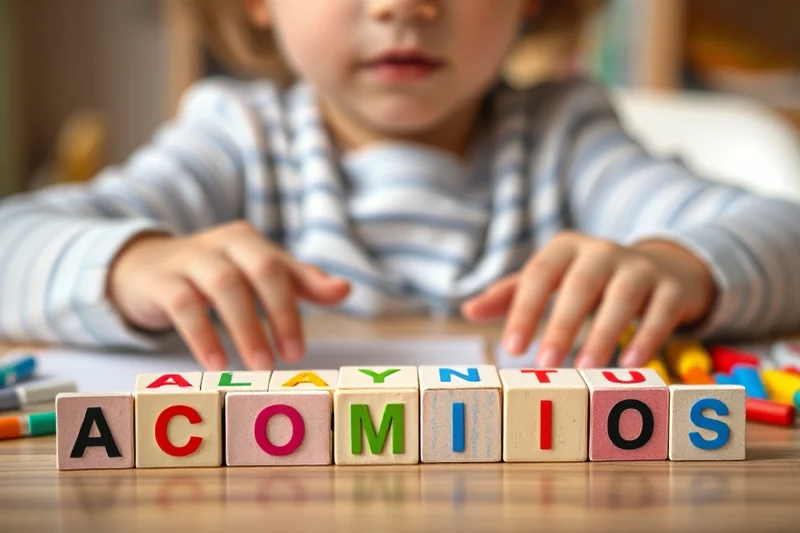
The first step is to gather a few simple materials. I use letter cards, flashcards with pictures, and sometimes even toys that have letters on them. These materials are essential for making the games interactive and tangible for the child. For example, using letter blocks or magnetic letters can be a great way to introduce the concept of letters and sounds.
Next, it's important to set a time and place for the games. I've found that having a dedicated area in the living room or kitchen works best, as it becomes a special spot for learning. The key is to keep the sessions short, around 10-15 minutes, to maintain the child’s focus and prevent frustration.[1]
When starting with a new game, it’s crucial to model the activity first. I always explain the rules and demonstrate how to play, which helps the child understand what is expected. This approach not only makes the game more structured but also builds a sense of security and comfort for the child.
Start small, be consistent, and watch the learning happen naturally.
Related: Minimalist phonics activities ideas
Related: Homemade phonics activities ideas
Related: Quick phonics teaching program
Related: Minimalist phonics teaching program
Related: Top phonics activities for beginners
Related: Small Phonics Games
Related: Minimalist Phonics Games For 5 Year Olds
Related: Phonics Games For 5 Year Olds Explained
Creative Phonics Activities That Keep Kids Engaged
A favorite activity in our home is the phonics scavenger hunt. We create a list of words with specific starting sounds, and the child has to find objects around the house that match those sounds. This not only reinforces phonics but also helps with listening skills. One time, we focused on the letter 'S,' and my daughter found a spoon, a sock, and even a snake toy!
Another creative idea is to use storytelling to teach phonics. I often create a short story that includes several words with the same sound, and then we act it out together. This makes the learning process dynamic and engaging. For example, we once made a story about a 'silly snake' that sneezed a 'silly spoon' and it became a favorite bedtime tale.
I've also used phonics-based art projects, such as drawing a picture of a 'big bear' and writing the word 'bear' next to it. This helps the child connect the visual with the sound. It’s amazing how these small projects can have a lasting impact on a child’s understanding of phonics.
Incorporate educational apps or online games that focus on phonics. I've used apps like ABCmouse and Starfall, which are great for reinforcing letter sounds and making learning interactive. These tools can be especially useful for independent learning sessions.
“I remember the first time I watched my 5-year-old daughter sit at the kitchen table, her eyes wide with curiosity as I pulled out a…”— Blendandread editors
Making the Most of Everyday Moments for Phonics Learning
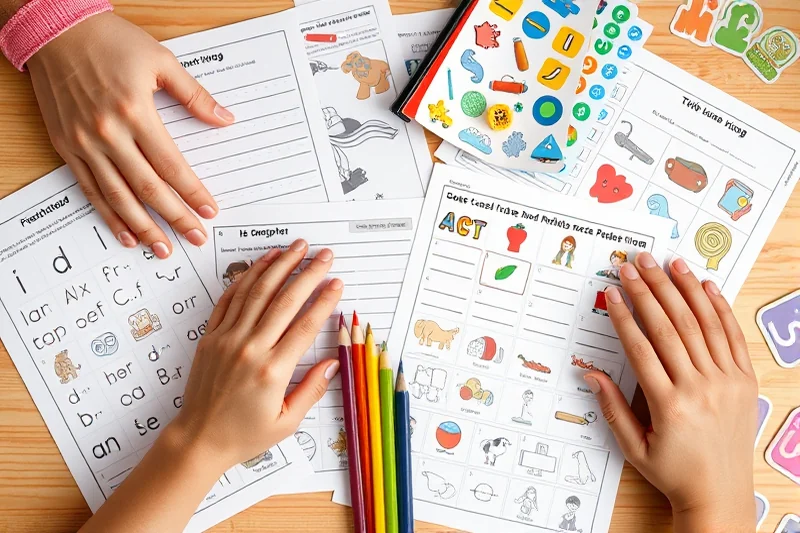
I’ve learned that phonics doesn’t have to be confined to a specific activity or time of day. Even simple moments like grocery shopping can be turned into a phonics lesson. When we are at the store, I challenge my daughter to find items that start with the same letter. This not only makes learning fun but also helps her see the relevance of phonics in real life.
Another great moment for phonics learning is during bath time. I use bath time as a chance to play a game called 'Bubble Letters,' where we blow bubbles and say the letters as they float. It’s a simple yet effective way to reinforce letter recognition while keeping the child engaged and entertained.
I’ve also found that mealtime can be a great time for phonics activities. For instance, I ask my daughter to identify the first letter of each food item on the table. This helps her practice letter sounds in a natural and relaxed setting. It’s amazing how these small moments can add up to a significant impact on a child’s phonics skills.
Tracking Progress and Celebrating Success
I’ve found that tracking progress is a great way to see the growth of a child’s phonics skills over time. I use a simple chart where we color in a star each time we complete a phonics activity. This visual representation of progress helps the child feel a sense of accomplishment and encourages them to keep learning.
Celebrating small successes is also an important part of the process. Whether it's giving a sticker for recognizing a new letter or a small treat for completing a phonics game, these rewards help reinforce the learning experience. I've noticed that my daughter becomes more excited about phonics when she feels her efforts are being recognized.
I also make it a point to praise her efforts, not just the outcomes. Even if she makes a mistake, I encourage her by saying things like, 'You’re doing great! Let’s try that again.' This positive reinforcement helps build confidence and makes the learning process more enjoyable for the child.
⭐ Classic
The original phonics fun kit with simple materials and clear instructions.
💰 Budget
A low-cost version using recycled materials and everyday items.
⚡ Extra-Fast
A simplified version for quick phonics learning sessions.
✨ Depth
An advanced version that includes phonics games for multiple letter sounds.
🥗 Light
A minimal version with only the essential materials for phonics learning.
| The mistake | Why it happens | The fix |
|---|---|---|
| Making the sessions too long. | Children this age have short attention spans, and long sessions can lead to frustration and disinterest. | Keep the phonics games short, around 10-15 minutes, and take breaks in between. |
| Not making the games interactive. | If the games are too passive, the child may lose interest quickly. | Incorporate movement and interaction, such as jumping to a letter or using real-world objects in phonics scavenger hunts. |
| Forcing the child to learn. | Forcing the child can lead to a negative association with phonics learning and reduce their motivation. | |
| Not using the right materials. | Using the wrong materials can make the games less effective and less engaging for the child. | Use simple, interactive materials like letter cards, flashcards, and even toys with letters on them to make the games more engaging. |
What You'll Need tap to check off
- 1 lb Cardboard
- ½ cup Glue
- Markers to taste
Method tap a step when done
- Cut the cardboard into small letter shapes for each letter of the alphabet.
- Use the glue to attach letters to small pieces of cardboard for creating flashcards.
- Draw and label each letter with markers, making sure to include the sound of the letter.
- Organize the flashcards in a folder or box for easy access during phonics activities.
- Use the flashcards to play games such as 'Memory Match' or 'Letter Hunt.'
- Repeat the activity regularly to reinforce phonics learning.
Key Facts
Easy Phonics Games For 5 Year Olds
Common Questions
How can I make phonics games more engaging for my child?
What materials do I need to start phonics games at home?
How long should phonics games last for a 5-year-old?
Can I use technology to support phonics learning?
References
- PDF Phonological Awareness Is Child's Play! (azed.gov)
- Apps for Dyslexia and Learning Disabilities - Dyslexia Help (dyslexiahelp.umich.edu)
- Phonics Kindergarten Worksheets - DID YOU KNOW! (go-new.uta.edu)
- Little Kids (Under 5) | Napa County Library (napalibrary.gov)
- PDF Phonics Activities Practice Games Lesson Set - Texas (spedsupport.tea.texas.gov)
Cite this guide
Blendandread (2026). Easy Phonics Games For 5 Year Olds. https://blendandread.com/easy-phonics-games-for-5-year-olds/
Feel free to cite or share this guide.