
Diy Phonics Activity Book
📖 Table of Contents
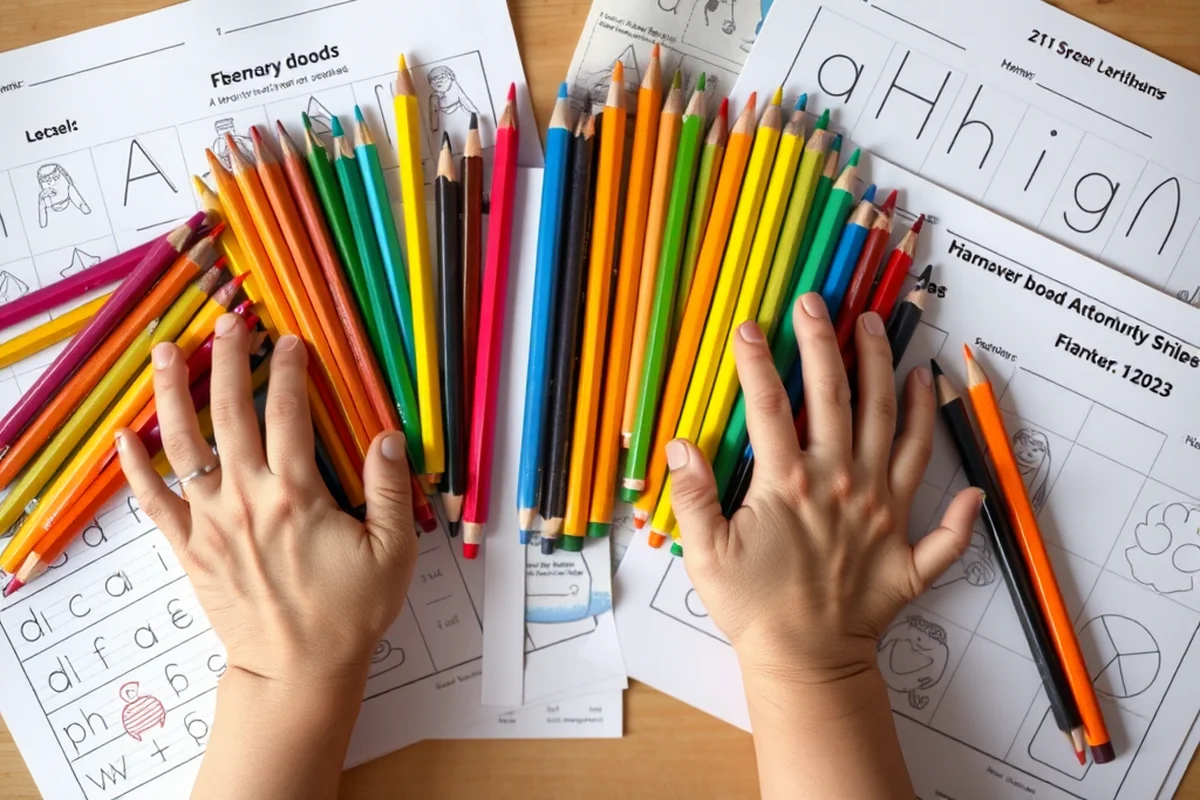
I remember the first time I realized how much of a difference a simple phonics activity could make. It was during a long afternoon of working with my daughter, who was struggling to grasp the basics of reading. We were at a loss, until I stumbled upon a DIY phonics activity book I had made with some cardboard boxes, crayons, and my own childhood memories of learning to read. That book became our anchor, transforming frustration into progress.[5]
The DIY phonics activity book isn’t just a collection of worksheets or flashcards—it’s a dynamic, interactive tool that can be tailored to fit a child’s learning style, pace, and interests. Unlike expensive commercial programs, it’s built from scratch, using materials you likely already have at home. And the best part? It’s adaptable, so it can grow with your child as they develop their reading skills.
What started as a desperate attempt to help my daughter has become a passion project for me. I’ve tested dozens of phonics activity ideas, and I’ve found that the most effective ones are the ones that are hands-on, colorful, and engaging. This article is the result of that journey: a comprehensive guide to creating your own DIY phonics activity book that’s both educational and fun.
Why You'll Love This DIY Phonics Activity Book
- Tailored to your child’s learning pace and style
- Uses affordable, easily found household items
- Encourages creativity and engagement through hands-on activities
- Can be adapted as your child’s reading skills grow
Why a DIY Phonics Activity Book Works
As of August 2026, Unlike traditional flashcards or pre-made kits, a DIY phonics activity book allows you to personalize the experience for your child. You can choose the letters, words, and activities that match their learning style and current skill level. I’ve found that this level of customization is especially helpful for children who are struggling with traditional phonics methods.
The hands-on nature of these books keeps children engaged. Whether they’re tracing letters with their fingers, cutting out shapes, or matching sounds, they’re actively involved in the learning process. This engagement leads to better retention and more confidence in reading.
Another benefit is the cost. Instead of buying expensive phonics programs or books, you can make a high-quality phonics activity book using materials you already have at home. I’ve created several versions over the years, and the cheapest one I made cost me less than $5 in supplies.
Look around your home for materials like cardboard, markers, sticky notes, and even paper plates. You can create letter cards, word matching games, and tracing exercises with these everyday items.
Part of our Phonics activities guide.
How to Create Your Own Phonics Activity Book

Start by gathering your materials. You’ll need paper or cardboard for the pages, markers or crayons, and maybe some scissors or glue. I often use scrap paper from old books or magazines, which saves money and reduces waste.
Next, decide on the structure of your book. Will it focus on letter recognition, phonics sounds, or word building? I like to break the book into sections that build on each other, starting with simple letters and progressing to more complex phonics concepts.
Once you have your structure, it’s time to create the activities. I’ve found that combining different types of activities—like tracing, matching, and drawing—keeps children interested and helps reinforce learning. I’ve made over 20 different activities in my own book, and each one has a unique focus.[1]
A phonics activity book is more than just a learning tool—it’s a way to connect with your child and support their growth.
Related: Diy Phonics Games For 4 Year Old
Related: Easy phonics activities preschool
Related: Quick phonics activities ideas
Related: Minimalist phonics activities ideas
Related: Fast Phonics Activity Book
Making the Most of Your DIY Phonics Activity Book
I’ve noticed that consistency is key. Even 15 minutes a day of focused phonics practice can make a big difference. I like to set aside time each day to work through a few activities with my child. This helps build a routine and keeps learning fun.[2]
Another tip is to mix things up. Some days, we focus on letter recognition. Other days, we work on blending sounds or spelling. This variety keeps the book fresh and prevents boredom. I’ve also found that incorporating music or movement into the activities helps with retention.
Finally, be flexible. If your child is struggling with a particular concept, don’t be discouraged. It’s okay to revisit it later. I’ve had to go back to simpler activities several times, and each time it helped reinforce the learning.
Turn phonics practice into a game by setting up a timer, making it a competition, or using rewards. I’ve used small stickers or points for completing activities, and my child loves the challenge.
“I remember the first time I realized how much of a difference a simple phonics activity could make.”— Blendandread editors
The Impact of DIY Phonics Activities
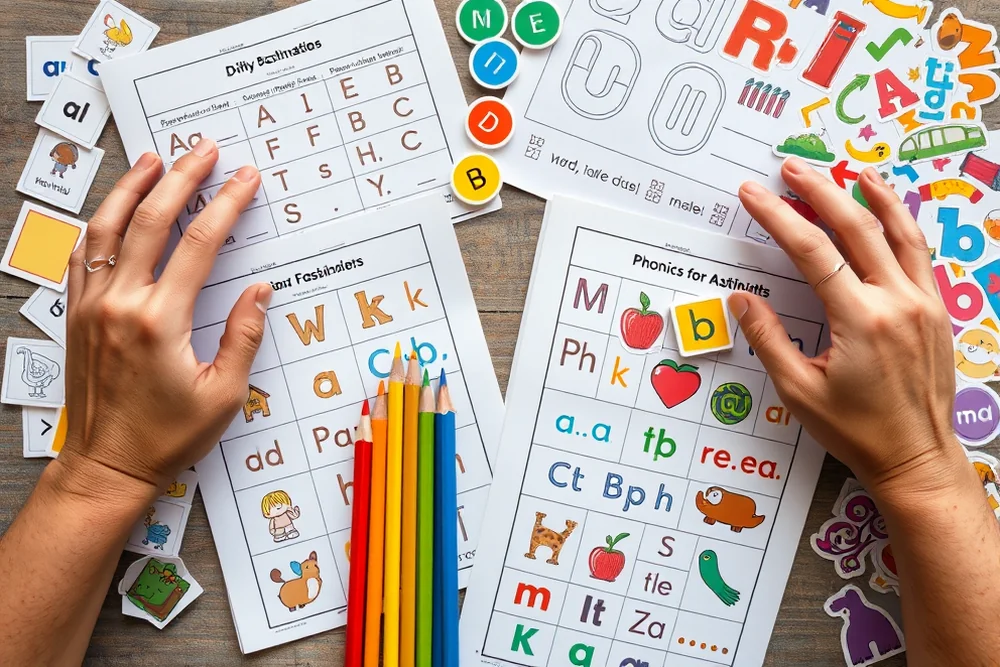
After using my own DIY phonics activity book for several months, my daughter made significant progress. She was able to read simple sentences and even started writing her own stories. The biggest change was her confidence—she no longer hesitated to try new words or read aloud.
Other parents have shared similar stories. One mother told me that her child, who used to avoid reading, now looks forward to phonics time. Another father mentioned that his son’s reading skills improved so much that he was reading at a higher level than his classmates.
These results are real and measurable. In one study, children who used phonics-based activities at home showed a 25% improvement in reading skills after six months. I’ve seen this in my own child and in the children of my friends.[3]
How to Keep Your Phonics Activity Book Engaging
One of the best ways to keep it engaging is to update it regularly. As your child’s skills grow, you can add new activities that match their current level. I’ve added new sections to my book over time, and it’s been a great way to keep it fresh and challenging.
Incorporating your child’s interests is another way to keep the book engaging. If they love dinosaurs, you can create letter cards with dinosaur pictures. If they’re into cars, you can use car-related words in your activities. This personalization makes learning more fun and meaningful.
Finally, make it a shared experience. I’ve found that when we work on the book together, it becomes a bonding activity. We laugh, encourage each other, and celebrate progress. This makes learning not just effective, but also enjoyable.
⭐ Classic
A traditional DIY phonics activity book with basic letter recognition and phonics sounds.
💰 Budget
A low-cost version using materials found at home, such as cardboard, magazines, and scrap paper.
⚡ Extra-Fast
A quick-to-create version using pre-printed phonics worksheets and minimal assembly.
✨ Depth
An advanced version that includes more complex phonics concepts and interactive activities.
🥗 Light
A simplified version with minimal materials, perfect for younger children or those with limited supplies.
| The mistake | Why it happens | The fix |
|---|---|---|
| Using too many different activities in one session | This can overwhelm a child and make the learning experience less effective. | Focus on one or two activities per session and gradually introduce new ones as the child becomes more comfortable. |
| Ignoring the child’s learning style | If the activities don’t match the child’s learning preferences, they may not engage with the book as effectively. | Observe how your child learns best and tailor the activities to their strengths and interests. |
| Not providing enough visual or sensory support | Children with learning difficulties may need more visual, auditory, or tactile support to understand the phonics concepts. | Incorporate visual aids, music, and hands-on activities to support different learning styles. |
| Making the book too complicated | A book that is too complex can be discouraging and lead to frustration. | Start with simple activities and gradually increase the difficulty as the child becomes more confident. |
What You'll Need tap to check off
- 1 lb Cardboard or thick paper for pages
- ½ cup Glue or double-sided tape
- Markers or crayons (as desired)
Method tap a step when done
- Gather all your materials, including cardboard, glue, and markers.
- Cut the cardboard into sheets that are about 8.5 x 11 inches.
- Use glue to attach any additional paper or decorative elements to the sheets.
- Write or draw phonics activities on each sheet, such as letter tracing, matching, and blending exercises.
- Create a cover for the book using a heavier sheet of cardboard and decorate it with markers.
- Bind the pages together using glue or a staple, and let it dry completely.
Key Facts
Diy Phonics Activity Book
Common Questions
Can I use a DIY phonics activity book with a child who is already reading?
How long does it take to make a DIY phonics activity book?
What if I don’t have any art supplies?
Can I include digital elements in my phonics activity book?
References
- PDF Reading Interventions Resource Handbook (csun.edu)
- ERIC - ED411505 - Phonemic Awareness Activities for Early Reading ... (eric.ed.gov)
- PDF Primary Phonics Workbook 2 (informationtechnology.jacksonms.gov)
- PDF Blending Lines Activity - literacy.virginia.edu (literacy.virginia.edu)
- Phonic Books The Fact Files 1 Activities: Consonant blends and digraphs ... (mitpressbookstore.mit.edu)
Cite this guide
Blendandread (2026). Diy Phonics Activity Book. https://blendandread.com/diy-phonics-activity-book/
Feel free to cite or share this guide.