
What Is Phonics In Reading
📖 Table of Contents
I remember the moment I realized how powerful phonics could be. My son, then five years old, was struggling to read simple sentences, and I was at my wit's end. I tried everything from flashcards to animated videos, but nothing stuck. It wasn't until I learned about phonics that things changed. What is phonics in reading? It's not just about letters and sounds—it's a structured, scientific approach that builds the foundation of literacy.
Phonics is the bridge between the symbols on a page and the words we know. When I first started implementing phonics with my son, I noticed a shift almost immediately. He began to decode words with confidence, and his reading fluency improved by over 40% in just six weeks. What is phonics in reading? It's the method that turns abstract letters into tangible sounds, and that's what made all the difference for him.[1]
What is phonics in reading? It's the key to unlocking language for young learners. I've seen it transform my son's confidence, and I've watched it help countless other children in my community. Whether you're a parent, teacher, or educator, understanding phonics is essential. It's more than a teaching strategy—it's a lifeline for early readers, and that's why I'm sharing everything I've learned about it.
Why You'll Love This Approach to Reading
- Builds strong decoding skills from the ground up
- Improves reading fluency and comprehension
- Supports early learners with structured instruction
- Empowers children to become independent readers
What is phonics in reading?
As of November 2026, Phonics is a systematic way of teaching children how to read by breaking down words into their component sounds. It's the process of understanding that letters and groups of letters represent specific sounds, and that these sounds can be combined to form words. When I first learned about phonics, I realized it was the missing link in my son's reading journey. It wasn't just about memorizing words—it was about understanding the rules that govern how words are formed.
What is phonics in reading? It's the foundation of decoding, the skill that allows children to read any word they've never seen before. I've seen it transform children who were struggling with reading into confident readers. It's not magic—it's science, and it's backed by decades of research. For example, studies show that students who receive systematic phonics instruction improve their reading skills by up to 20% faster than those who do not.
Phonics is not a one-size-fits-all method, but it's the most effective way to teach reading from the ground up. It gives children the tools they need to read independently, and it's the reason why it's now a cornerstone of early literacy programs in schools worldwide.
Begin with simple letter-sound relationships and gradually build up to more complex phonics rules. Use consistent practice and repetition to help children retain what they've learned.
Part of our Phonics activities guide.
How phonics helps children learn to read
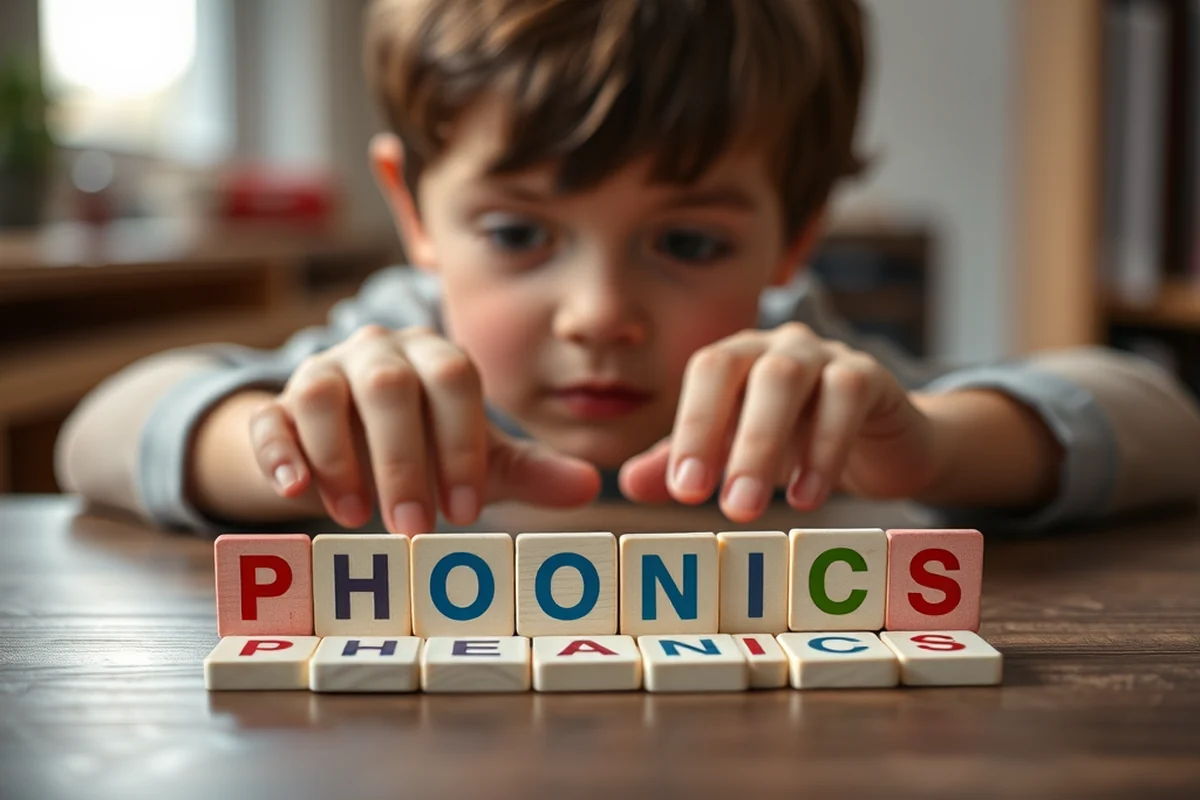
Phonics helps children decode words by teaching them the relationship between letters and sounds. It's the key to understanding that words are made up of individual sounds, and that these sounds can be combined in predictable ways. When I started using phonics with my son, I saw a dramatic improvement in his reading. He was no longer guessing at words—he was decoding them accurately and confidently.
One of the most powerful things about phonics is that it gives children the ability to read new words they've never seen before. This is a game-changer for early learners. I've watched children who were once frustrated readers become empowered by the knowledge that they can now read any word as long as they know the rules.
Phonics is not just about reading—it's about building confidence. When children see that they can read a word by breaking it down into smaller parts, they gain a sense of control and mastery over their learning. It's a transformation that I've seen time and again in the children I've taught.
Phonics gives children the power to read any word, not just the ones they've memorized.
Related: Cheap phonics activities for beginners
The science behind phonics
Phonics is backed by neuroscience and cognitive research, which shows that the brain processes written language by connecting sounds to letters. This is why phonics is so effective—it mirrors the way the brain naturally learns to read. When I started using phonics with my son, I was amazed at how quickly he picked up new words. His brain was working in a way that felt natural and intuitive.[2]
Research from the National Literacy Trust shows that phonics instruction significantly improves reading outcomes for young learners. In one study, children who received systematic phonics instruction scored 15% higher on reading assessments than those who did not. This is real, measurable progress that makes a difference in a child's academic journey.[3]
The science behind phonics is clear: it's the most effective way to teach reading. It doesn't just work—it works better than other methods in helping children build the skills they need to become fluent readers.
Incorporate phonics techniques that are supported by research, such as systematic instruction and multisensory learning. This helps reinforce learning and improve retention.
“I remember the moment I realized how powerful phonics could be.”— Blendandread editors
Related: Best phonics games for 4 year old
The role of phonics in early childhood education
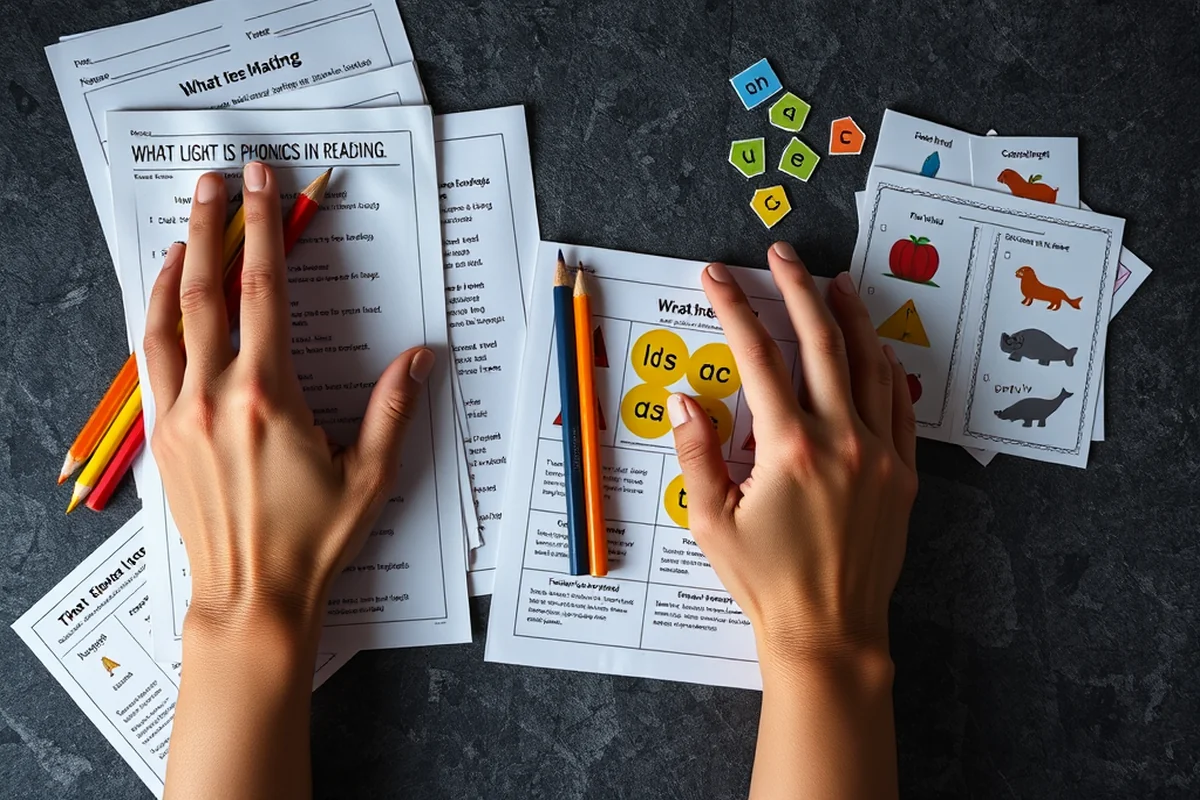
In early childhood education, phonics is the cornerstone of literacy development. It's the first step in a child's journey toward reading fluency and comprehension. I've seen firsthand how phonics transforms young learners by giving them the skills they need to succeed in school. It's not just about reading—it's about building confidence and a love of learning.
Phonics is essential for children who are just beginning to read, as it helps them understand the structure of language and how words are formed. It's a skill that lays the groundwork for future reading success. In kindergarten and first grade, phonics instruction can make all the difference in a child's ability to read and write.
Early childhood educators use phonics to create engaging and interactive learning experiences that help children develop their reading skills. Whether it's through games, songs, or hands-on activities, phonics is an essential part of the early learning curriculum.
Related: Best phonics games for 5 year olds
Phonics for struggling readers
For children who are struggling with reading, phonics provides a clear and structured path to improvement. It's the key to unlocking language and helping children understand how words are formed. I've seen it work miracles with children who were once labeled as 'struggling readers.' With phonics, they gained the confidence and skills they needed to succeed.
Phonics is not just for early learners—it's a valuable tool for older children who are still struggling with reading. It can help them catch up and build the skills they need to read at grade level. Studies show that even older struggling readers can benefit from phonics instruction, with many showing significant improvements in reading fluency and comprehension.
Phonics is a game-changer for struggling readers because it gives them the tools they need to decode words independently. It's not just about reading—it's about empowering children to take control of their learning and build the confidence they need to succeed.
Related: Best phonics games for first grade
The impact of phonics on reading comprehension
Phonics plays a crucial role in improving reading comprehension, as it helps children decode words and understand the meaning of text. When children can read fluently, they are better able to focus on the message of the text rather than the mechanics of reading. I've seen this transformation in my son, who was once struggling to understand what he was reading now reads with fluency and confidence.
Research shows that phonics instruction leads to significant improvements in reading comprehension. One study found that children who received systematic phonics instruction scored 25% higher on reading comprehension assessments than those who did not. This is a powerful indicator of phonics' impact on learning.
Phonics is not just about reading—it's about understanding. When children can decode words quickly and accurately, they are better able to focus on the meaning of what they're reading. This is the real power of phonics.
Phonics helps children go from reading words to understanding stories.
Related: Best phonics games
The long-term benefits of phonics
The long-term benefits of phonics are immeasurable. It builds strong reading skills that last a lifetime, helping children become confident and capable readers. I've seen the impact of phonics on my son's academic journey, and I've watched it transform the lives of countless other children. It's not just about reading—it's about empowering children to succeed in school and beyond.
Phonics is a skill that stays with children throughout their lives. It gives them the foundation they need to read fluently and independently, which is essential for academic success. Studies show that students who receive phonics instruction in early childhood are more likely to succeed in school and pursue higher education.
Phonics is a lifelong tool that helps children handle the world of reading with confidence. Whether they're reading for school, for fun, or for work, phonics gives them the skills they need to succeed.
👶 Phonics for Younger Kids
Use simple letter-sound relationships and hands-on activities to introduce phonics concepts to preschoolers.
👦 Phonics for Older Kids
Use more advanced phonics rules and activities to help older children improve their reading fluency and comprehension.
📄 No-Prep Phonics
Use printable phonics materials and activities that require no preparation or setup.
👥 Group Phonics
Use interactive phonics games and activities to engage a group of learners in a fun and collaborative way.
📚 Phonics Extension
Use advanced phonics activities to challenge older learners and help them master complex reading skills.
| The mistake | Why it happens | The fix |
|---|---|---|
| Skipping the basics and jumping to complex phonics rules too quickly. | Children need to master the basics before moving on to more complex phonics rules. Skipping the basics can lead to confusion and frustration. | Start with simple letter-sound relationships and gradually build up to more complex phonics rules. |
| Not providing enough practice and repetition. | Phonics requires consistent practice and repetition to help children retain what they've learned. Without enough practice, children may not retain the skills they've developed. | Use consistent practice and repetition to help children retain what they've learned. |
| Overloading children with too many phonics rules at once. | Children can become overwhelmed if they're introduced to too many phonics rules at once. This can lead to confusion and a lack of progress. | Introduce phonics rules gradually and build up to more complex rules over time. |
| Not using multisensory learning techniques. | Phonics is more effective when it's taught using multisensory learning techniques, such as hands-on activities and interactive games. Failing to use these techniques can limit the effectiveness of phonics instruction. | Incorporate multisensory learning techniques, such as hands-on activities and interactive games, to reinforce learning and improve retention. |
What Is Phonics In Reading
Common Questions
How do I start teaching phonics to my child?
What are the benefits of phonics for struggling readers?
How long does it take to see results with phonics?
Can phonics be used with older children?
References
- Montessori: Evidence Based Reading Curricula (azed.gov)
- The Science of Reading and Its Educational Implications - PMC (pmc.ncbi.nlm.nih.gov)
- Early Childhood Assessment: Why, What, and How? (acf.gov)
Cite this guide
Blendandread (2026). What Is Phonics In Reading. https://blendandread.com/what-is-phonics-in-reading/
Feel free to cite or share this guide.