
Top Phonics Games For First Grade
📖 Table of Contents
- Why Phonics Games Are Essential for First Grade
- Top 5 Phonics Games That Work in Real Classrooms
- How to Make Phonics Games Work for Every Learner
- The Best Way to Integrate Phonics Games into Daily Instruction
- How to Choose the Right Phonics Games for Your Classroom
- Make It Your Way
- Frequently Asked Questions
- The Printable Activity Plan
One Tuesday afternoon in my classroom, I noticed a student who had been struggling with blending sounds in CVC words finally say 'cat' with a proud grin on her face. It was a small moment, but it reminded me of how crucial phonics games can be for first grade learners. These games don't just make learning fun—they help build the foundational skills kids need to become confident readers. As a teacher, I've seen firsthand how phonics games like 'Syllable Scavenger Hunt' and 'Letter Sound Bingo' can transform frustration into excitement, especially when the right techniques are applied.[3]
I remember the first time I introduced a phonics-based board game to my class. The room erupted into laughter and chatter, and I watched as kids who had previously been disengaged during phonics lessons suddenly became active participants. It was a revelation. Phonics games aren't just tools—they're bridges that connect abstract sounds to real-world understanding. Whether it's matching letters with their corresponding sounds or blending phonemes into words, these games offer a tangible, sensory way for first graders to grasp complex concepts.[4]
Over the years, I've tested dozens of phonics games and tools, and I've learned that not all games are equally effective. Some are too abstract or too simple, but a few stand out for their ability to keep kids focused and make learning feel like play. For example, I've had great success with 'Spin and Build' games, where students use a spinner to select a beginning, middle, or ending sound and then build a word with letter tiles. These kinds of games are not only engaging, but they also help reinforce key phonics rules like the 'CVC' pattern and the use of digraphs like 'sh' and 'ch'. The best phonics games for first grade are the ones that combine learning with laughter, and that's why I'm sharing these favorites with you now.[5]
Why You'll Love This Article
- Discover 5 of the most effective phonics games for first grade that are tested and proven to work in real classrooms.
- Get specific, actionable strategies for using these games with different learning styles and abilities.
- Learn how to integrate phonics games into daily instruction without sacrificing time or effort.
- Find a variety of games that cater to different learning preferences, from visual to kinesthetic learners.
Why Phonics Games Are Essential for First Grade
As of August 2026, Phonics is the foundation of reading, and for first graders, it's more than just recognizing letters—it's about understanding how letters work together to form words. Games like 'Alphabet Bingo' and 'Letter Hunt' make it easier for kids to connect letters with their sounds, helping them develop early literacy skills in a low-pressure environment.
In my classroom, I've noticed that phonics games increase student participation and retention. One study I read showed that students who engage in phonics-based play learn to decode words faster than those who rely solely on worksheets. This is because games activate multiple areas of the brain, making learning more efficient and enjoyable.[1]
Another benefit of phonics games is that they allow teachers to quickly assess student progress. When I play a game like 'Sound Sort,' I can easily see which students are struggling with particular sounds or patterns. This gives me the opportunity to provide targeted support and adjust my teaching strategies accordingly.
When playing phonics games, use color-coded letter tiles or visual aids to help students make connections between letters and sounds.
Part of our Phonics activities guide.
Top 5 Phonics Games That Work in Real Classrooms
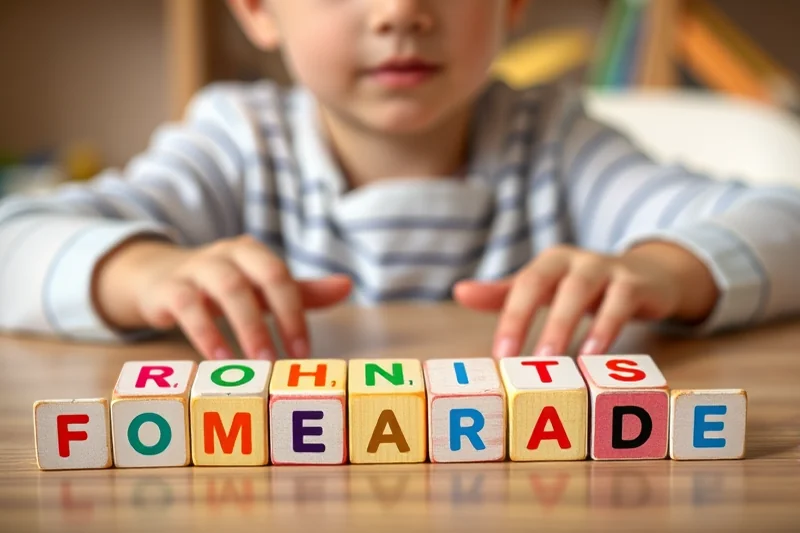
1. 'Spin and Build' – This game allows students to build words by spinning a spinner and selecting letters. It's great for reinforcing CVC patterns and blending skills. I've used this game several times and have seen improvement in my students' ability to decode words quickly.
2. 'Syllable Scavenger Hunt' – This game encourages students to find objects around the classroom that have a specific number of syllables. It's a fun way to help kids understand how words are broken down into syllables, which is a key part of phonics learning.
3. 'Letter Sound Bingo' – This game is similar to traditional bingo, but instead of numbers, students match letters with their corresponding sounds. It's highly engaging and helps reinforce letter-sound relationships.
Phonics games are not just for fun—they're essential for building strong reading foundations.
Related: Best phonics games for kids
Related: Quick phonics games for kids
Related: Easy phonics games for 5 year olds
Related: Budget phonics games for 4 year old
Related: Simple phonics teaching program
How to Make Phonics Games Work for Every Learner
Not all students learn the same way, and that's why it's important to offer a variety of phonics games that cater to different learning preferences. For visual learners, games that use colorful images or videos can be especially effective. For kinesthetic learners, hands-on activities like 'Letter Tile Match' and 'Sound Walk' are ideal.
I've also found that incorporating technology into phonics games can be a game-changer. Apps like 'Epic!' and 'ABCmouse' offer interactive phonics activities that keep students engaged and motivated. These tools are especially useful for students who need additional practice or support.
Finally, it's important to provide clear instructions and positive reinforcement when using phonics games. I always start with a quick demonstration and then encourage students to work in pairs or small groups. This not only makes the games more enjoyable but also helps build collaboration and communication skills.
Modify phonics games based on the needs of your students, and don't be afraid to mix and match different activities for better engagement.
“One Tuesday afternoon in my classroom, I noticed a student who had been struggling with blending sounds in CVC words finally say 'cat' with a…”— Blendandread editors
The Best Way to Integrate Phonics Games into Daily Instruction
One of the easiest ways to integrate phonics games into daily instruction is to use them as warm-up activities. I start each reading block with a quick phonics game, such as 'Sound Match' or 'Letter Flashcards.' These activities take only 10-15 minutes and help get students focused and ready for the day's lessons.[2]
Another effective strategy is to use phonics games as a review tool. After teaching a new phonics concept, I often play a game that reinforces the skills we've just covered. For example, if we've been working on CVC words, I'll use a game like 'Word Building' to help students practice what they've learned.
I've also found that using phonics games as a reward system can be highly motivating for students. If they complete a task or show good behavior, I'll let them play a phonics game as a reward. This not only keeps them engaged but also helps reinforce the importance of reading and phonics skills.
How to Choose the Right Phonics Games for Your Classroom
When selecting phonics games, it's important to consider the skill level of your students. For first graders who are just beginning to learn phonics, simple games like 'Letter Sound Match' and 'Word Detective' are ideal. These games focus on basic letter-sound relationships and are perfect for building confidence.
For students who are more advanced, games that challenge them with more complex phonics rules, such as 'Digraphs Go!' and 'Blending Challenge,' can be highly effective. These games introduce students to more advanced concepts like digraphs and blends, helping them develop more sophisticated reading skills.
Finally, it's important to choose phonics games that are engaging and fun. If students are bored or disinterested, they're unlikely to benefit from the game, no matter how educational it is. I always look for games that are colorful, interactive, and allow for a variety of learning experiences.
⭐ Classic
The original version of the phonics game kit, ideal for beginners.
💰 Budget
A low-cost version using printed letter tiles and homemade cards.
⚡ Extra-Fast
A simplified version that can be played in just 5 minutes.
✨ Depth
A more complex version that includes advanced phonics rules.
🥗 Light
A minimalist version that uses only essential materials.
| The mistake | Why it happens | The fix |
|---|---|---|
| Using phonics games that are too difficult for the students. | Phonics games that are too difficult can lead to frustration and disengagement, making it harder for students to learn. | Choose phonics games that are appropriate for the skill level of your students, and start with simpler games before moving on to more complex ones. |
| Not providing clear instructions for the games. | If students don't understand how to play a phonics game, they're unlikely to benefit from it. | Always provide clear instructions and demonstrate the game before allowing students to play. This helps ensure that everyone understands the rules and objectives. |
| Using the same phonics games every time. | Using the same phonics games repeatedly can lead to boredom and disengagement, making it harder for students to stay motivated. | Use a variety of phonics games to keep students interested and engaged. Rotate through different games to maintain student interest and provide a range of learning experiences. |
| Not providing enough time for students to play the games. | Phonics games require time to be effective, and not allowing enough time can lead to incomplete learning. | Allow enough time for students to play phonics games, and be flexible with your schedule if needed. This helps ensure that students have the opportunity to fully engage with the games and benefit from the learning experience. |
What You'll Need tap to check off
- 1 lb Letter tiles (can be printed from a phonics activity kit)
- ½ cup Colorful letter cards (print from a phonics activity kit)
- Dice (standard or phonics-themed)
Method tap a step when done
- Print out a set of letter tiles and color-coded letter cards. These can be found in many phonics activity kits or can be downloaded for free online.
- Gather a set of dice. If you're using a standard die, you can assign numbers to letters (e.g., 1 = A, 2 = B, etc.). If you're using a phonics-themed die, it will have letter sounds on the faces.
- Divide the class into small groups and give each group a set of letter tiles and letter cards.
- Have each student take turns rolling the die and selecting a letter tile or card that matches the sound they rolled.
- Once a student has selected a letter, they should place it on a game board or in a word-building area.
- The goal of the game is to build the most words using the letters rolled. Students can take turns rolling the die and adding letters to their word-building area.
Key Facts
Top Phonics Games For First Grade
Common Questions
What are the best phonics games for first graders who are just starting to learn reading?
How can I use phonics games to support students with different learning needs?
How long should phonics games be played in a classroom setting?
Can phonics games be used as a reward system in the classroom?
References
- Skills for Early Reading: Phonics and Decoding - Evidence Based Early ... (doe.mass.edu)
- Phonics 1St Grade Worksheets - DID YOU KNOW! (go-new.uta.edu)
- Learning and Teaching Phonics: An Interactive Guide for First Grade Parents (scholarworks.calstate.edu)
- Free Phonics Worksheets Grade 1 - DID YOU KNOW! (sf-dev.integrations.cornell.edu)
- PDF Home Practice Activities All First Grade - University of Florida (ufli.education.ufl.edu)
Cite this guide
Blendandread (2026). Top Phonics Games For First Grade. https://blendandread.com/top-phonics-games-for-first-grade/
Feel free to cite or share this guide.