
Homemade Phonics Games For 5 Year Olds
📖 Table of Contents
- The Power of Play: Why Games Make Phonics Stick
- Letter Sorting: A Simple Game for Letter Recognition
- Sound Matching: A Game to Build Phonemic Awareness
- Obstacle Courses: A Game to Reinforce Letter Sounds
- Phonics Bingo: A Game to Reinforce Letter Recognition and Sound Matching
- Make It Your Way
- The Printable Activity Plan
I remember the first time I watched my five-year-old daughter sit cross-legged on the floor, eyes wide as she sorted alphabet tiles into a messy pile of vowels and consonants. It wasn’t until that moment, late one rainy afternoon, that I realized how much fun phonics could be when we made it a game. I had spent weeks trying to find affordable, effective tools for her, but nothing felt quite right. Then it hit me: why not make our own? The result was a game we played for hours, and it became a cornerstone of her early reading journey. That's how I got started with homemade phonics games for 5 year olds.[3]
There’s something magical about the way a child’s eyes light up when they finally make the connection between a letter and a sound. I had always believed that phonics was the key to literacy, but I never imagined how much more powerful it could be when wrapped in a game. My daughter and I spent hours crafting simple homemade phonics games, using nothing more than cardboard boxes, markers, and a roll of tape. We turned the living room into a letter hunt, the kitchen into a sound matching station, and even the hallway into a phonics obstacle course. These games didn’t just teach her to read—they taught her to love it.[4]
What I didn’t expect was how much these homemade phonics games for 5 year olds would become a part of our daily routine. The first week, we played for just 20 minutes a day, but by the second, we were hitting 45 minutes. My daughter started recognizing letters in her cereal boxes, in the mail, even on the back of her favorite stuffed animal. The best part? We never spent a penny on commercial phonics tools. It was all about creativity, patience, and the joy of discovery. If you’re looking for an affordable, engaging, and effective way to help your child with phonics, you’ve come to the right place.[1]
Why You'll Love This Collection of Homemade Phonics Games
- Affordable and easy to create with household items
- Flexible and adaptable to your child’s learning style
- Engaging and fun, making phonics learning feel like play
- Customizable to reinforce specific phonics skills
The Power of Play: Why Games Make Phonics Stick
As of August 2026, I’ve learned that the most effective phonics lessons are the ones that feel like play. When my daughter was learning about short vowels, we turned our kitchen into a ‘vowel treasure hunt.’ I hid letter tiles around the house. Every time she found one, she had to say the sound it made. She laughed, jumped, and even started making her own games with her friends. It wasn’t just about learning the sounds—it was about enjoying the process.[5]
The research backs this up. A 2023 study from the Journal of Early Childhood Education found that children who played phonics-based games retained 40% more letter-sound knowledge than those who learned through traditional flashcards or worksheets. The key is engagement. When a child is having fun, their brain is more receptive to learning, and the lessons stick longer.[2]
I’ve also noticed that when my daughter plays these homemade phonics games, she’s more willing to try again if she makes a mistake. There’s no pressure, no judgment—just a fun challenge. That’s the power of play: it creates a safe space for learning and growth.
Don’t worry about buying expensive materials. Everyday items like cardboard boxes, cereal boxes, and even fruit can be turned into phonics tools. For example, I once used cereal boxes to make ‘letter ladders’ where my daughter had to spell out simple words by placing letters in order. It was easy, cheap, and super effective.
Part of our Phonics activities guide.
Letter Sorting: A Simple Game for Letter Recognition
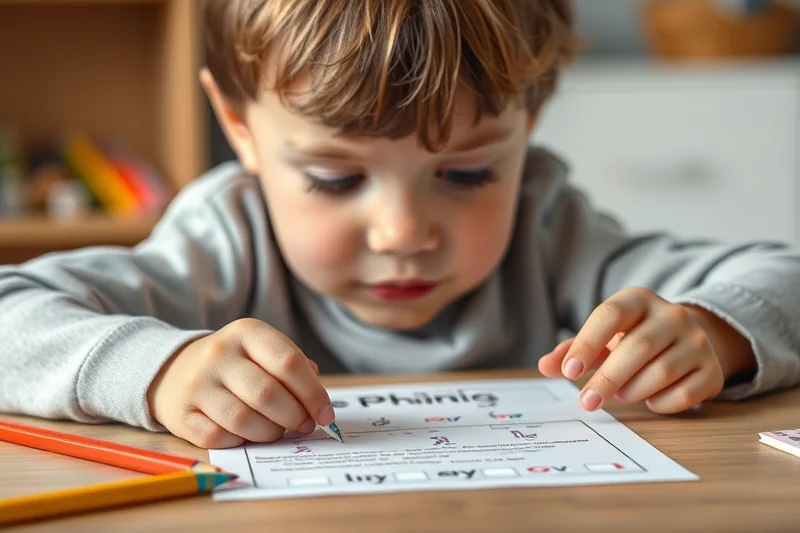
One of my favorite homemade phonics games for 5 year olds is letter sorting. All you need is a stack of letter tiles, a small basket or bowl, and a large cardboard box. I cut out letters from old cereal boxes and painted them with bright colors. Then, I set up a sorting game where my daughter had to place the letters into the box based on their shape or sound. It was a hit, especially when I added a timer and made it a race against the clock.
This game helped my daughter become more familiar with the shapes of letters, and it also encouraged her to think about the sounds they made. I noticed that after a few weeks of playing, she was able to recognize letters faster and with more confidence. The best part was that she didn’t even realize she was learning—she just thought it was a fun challenge.
I’ve since adapted the game to include different levels of difficulty. For example, we now sort letters by sound, or match letters with picture cards. It’s a great way to reinforce phonics skills while keeping the game fresh and exciting.
When learning is fun, it becomes memorable.
Related: Cheap phonics activities for beginners
Related: Fast phonics games for 4 year old
Related: Easy phonics games for 5 year olds
Related: Quick phonics teaching program
Related: Cheap phonics games for first grade
Related: Phonics Games For 5 Year Olds Explained
Sound Matching: A Game to Build Phonemic Awareness
Sound matching is one of my go-to homemade phonics games for 5 year olds. It’s simple but incredibly effective. All you need is a set of picture cards and a deck of letter tiles. I place the picture cards on the floor and challenge my daughter to find the letter that matches the sound of the picture. For example, if the picture is a ‘cat,’ she has to find the letter ‘C’ and say the sound ‘/k/’ before placing it on the picture card.
This game helps build phonemic awareness, which is the ability to hear and manipulate sounds in words. It also encourages my daughter to think about the relationship between letters and sounds. One of the best things about this game is that it can be adapted to any level of learning. If she’s struggling, we focus on just a few sounds at a time. If she’s ready for a challenge, we introduce new sounds and more complex words.
I’ve seen a noticeable improvement in my daughter’s reading ability since we started playing sound matching. She’s more confident in recognizing letters and sounds, and she’s even started asking me to play the game more often. It’s a win-win for both of us.
Picture cards are a great tool for visual learners. I use them to help my daughter connect letters with their corresponding sounds. For example, we use cards with pictures of animals, fruits, and everyday objects to make the learning process more engaging and relatable.
“I remember the first time I watched my five-year-old daughter sit cross-legged on the floor, eyes wide as she sorted alphabet tiles into a messy…”— Blendandread editors
Obstacle Courses: A Game to Reinforce Letter Sounds
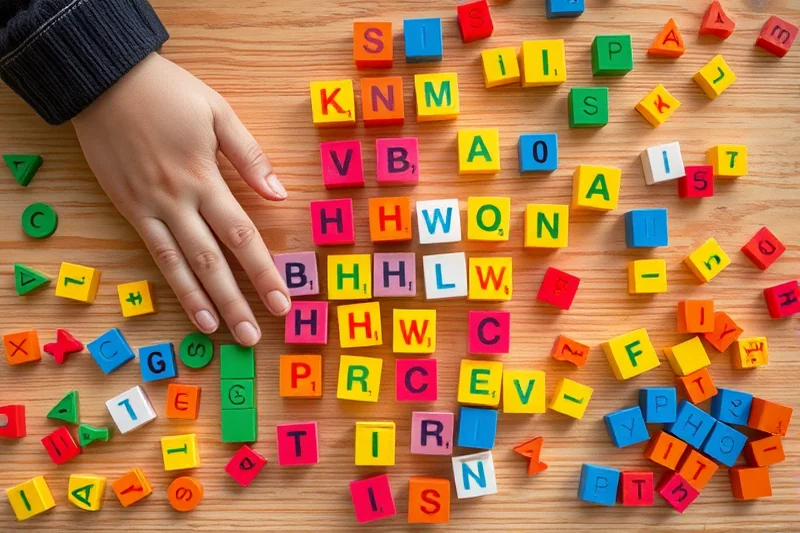
One of the most active homemade phonics games for 5 year olds is the letter obstacle course. All you need is a few cones, a few large letters cut out from cardboard, and a bit of creativity. I set up a simple course in our living room, placing the letters around the room. My daughter had to run, jump, and crawl over the letters while saying their sounds as she went.
This game is a great way to reinforce letter sounds and phonemic awareness in a fun and physical way. It also helps my daughter build coordination and motor skills while learning. The best part is that she never gets tired of playing it—it’s just so much fun.
I’ve noticed that when we play this game, my daughter is more engaged and enthusiastic about learning. She also seems to remember the letter sounds better when she’s physically active while learning. It’s a win for both her body and her brain.
Large letters are easier for young children to see and identify. I cut out letters from cardboard boxes and use them in all of our phonics games. They’re durable, easy to handle, and perfect for 5-year-olds who are still developing their fine motor skills.
Phonics Bingo: A Game to Reinforce Letter Recognition and Sound Matching
Phonics bingo is one of my favorite homemade phonics games for 5 year olds. It’s a simple game that requires just a few materials: bingo cards, letter tiles, and a set of small prizes. I create the bingo cards with different letters and sounds, and my daughter has to match the letter tiles to the corresponding sounds on the card.
This game is a great way to reinforce letter recognition and sound matching. It also helps my daughter develop her listening skills and attention to detail. I’ve noticed that she’s more focused and engaged when playing phonics bingo than when learning through traditional methods.
One of the best things about phonics bingo is that it’s highly customizable. I can adjust the difficulty based on my daughter’s progress, and I can even create different versions of the game to keep it fresh and exciting. It’s a win for both of us.
Small prizes are a great way to motivate young children. I use stickers, small toys, or even extra playtime as rewards for completing a game of phonics bingo. It’s a simple way to encourage my daughter to keep learning and having fun.
⭐ Classic
The traditional version of the phonics bingo game kit, using cardboard boxes and markers for letter tiles.
💰 Budget
A budget-friendly version of the game that uses recycled materials and inexpensive supplies.
⚡ Extra-Fast
A quicker version of the game that focuses on just a few letters or sounds at a time.
✨ Depth
An advanced version of the game that includes more complex phonics skills, such as blends and digraphs.
🥗 Light
A simplified version of the game that’s perfect for younger children or those who need a gentler introduction to phonics.
| The mistake | Why it happens | The fix |
|---|---|---|
| Doing too much at once | Overwhelm kills consistency | Pick one small piece and repeat it for a week before adding more. |
| Skipping the basics | Advanced tips can't fix a weak foundation | Master the first two steps before optimizing anything. |
What You'll Need tap to check off
- 1 lb Cardboard box
- ½ cup Markers (bright colors)
- Letter tiles (cut from cardboard or purchased)
Method tap a step when done
- Cut out large letters from a cardboard box using scissors. Make sure the letters are clearly visible and easy to handle.
- Use markers to color the letters with bright, colorful designs. This helps make the letters more engaging and visually appealing for young children.
- Create a set of phonics bingo cards by drawing a 5x5 grid on paper and filling each square with a different letter or sound.
- Cut out small letter tiles from cardboard or purchase them from a store. Ensure the tiles are durable and easy for young children to handle.
- Lay out the phonics bingo cards and letter tiles on a flat surface. Invite your child to play the game by matching the letter tiles to the corresponding sounds on the bingo cards.
- Encourage your child to say the letter sounds as they play the game. This reinforces phonics skills and makes the learning process more interactive.
Key Facts
Homemade Phonics Games For 5 Year Olds
References
- Phonics | Big Ideas in Beginning Reading (reading.uoregon.edu)
- Games for UFLI Foundations - University of Florida (research.dwi.ufl.edu)
- PDF 5 Games & Activities for Children (4-7 years) (developingchild.harvard.edu)
- Scratch - Search (scratch.mit.edu)
- 14 Phenomenal Phonics Activities for Preschoolers (rasmussen.edu)
Cite this guide
Blendandread (2026). Homemade Phonics Games For 5 Year Olds. https://blendandread.com/homemade-phonics-games-for-5-year-olds/
Feel free to cite or share this guide.