
Phonics Activities Progress Printable
📖 Table of Contents
- How to Use Phonics Activities Progress Printable at Home
- Why a Printable is Better Than Digital Tools for Tracking Progress
- How to Customize Phonics Activities Progress Printable for Different Learning Levels
- The Importance of Tracking Progress Over Time
- How to Stay Motivated and Keep the Fun in Phonics Learning
- Make It Your Way
- Frequently Asked Questions
I remember the first time my son sat down with a phonics activity printable and actually stayed focused for more than five minutes. It was a quiet afternoon, the kind where the house feels too still, and I had nothing but a stack of printed pages and a cup of tea. What I didn’t expect was the way his eyes lit up as he traced the letters with his finger, muttering the sounds under his breath. That moment was a small victory, but it was also the beginning of something bigger—a way to track his phonics progress with tangible, hands-on activities that made learning feel like play.[1]
Phonics activities progress printable are more than just worksheets or flashcards. They’re tools that help us see where a child is at, what they need to work on, and how they’re growing over time. I’ve tried everything from digital apps to traditional books. Nothing has been as effective for my son as using a well-designed printable that not only reinforces the sounds but also gives me a way to track his development step by step. It’s not just about learning to read—it’s about understanding the journey and celebrating the little wins along the way.[2]
What makes these printables special is their simplicity and their ability to be tailored for different learning stages. Whether you're working with a 3-year-old who's just beginning to recognize letter shapes or a 6-year-old who's ready to blend sounds into full words, there’s a printable that can support their progress. I’ve used these in my own home and shared them with friends. Every time I see a child’s face light up as they complete a printable, I’m reminded of why I started this journey in the first place—because learning should be joyful, and progress should be visible.
Why You'll Love This Phonics Activities Progress Printable
- Track progress with visual, hands-on tools that help both kids and parents see growth over time.
- Designed to be flexible, these printables can be used with kids of varying reading levels and learning styles.
- Includes engaging activities that make phonics learning fun and interactive, keeping kids motivated to learn.
- Provides a clear way to identify areas where a child needs more support and celebrate their achievements.
How to Use Phonics Activities Progress Printable at Home
As of August 2026, I’ve found that the best time to use phonics activities is in the early morning or late afternoon when my son is most alert and least distracted. Each session usually lasts about 15 minutes, and we use the printable as a starting point. I’ll print out a few pages, put them in a folder, and then we’ll sit at the kitchen table with a pencil and some erasers. Sometimes I’ll read the sounds aloud with him, and other times he’ll do it on his own. The key is to keep it light and fun.[3]
One of the best parts about using these printables is how easily they can be adapted. If my son is struggling with a particular sound, I can print more pages that focus on that letter and give him extra practice. I’ve also noticed that when he feels confident with a letter, he’s more likely to use it in his own writing, which is a huge win. I’ve even seen him try to spell his own name on the back of the printable, which was both adorable and encouraging.
What makes these printables so effective is that they include a progress tracker. Each sheet has a small box where I can mark off the letters he’s mastered. By the end of the week, I can look back and see how much he’s improved. It’s a small thing, but it gives me a sense of accomplishment and shows him that he’s making progress. It’s not just about learning—it’s about seeing the results.
I set a timer for 15 minutes and let my son know we’ll stop when it rings. This helps him stay on task and prevents frustration.
Part of our Phonics activities progress assessment guide.
Why a Printable is Better Than Digital Tools for Tracking Progress
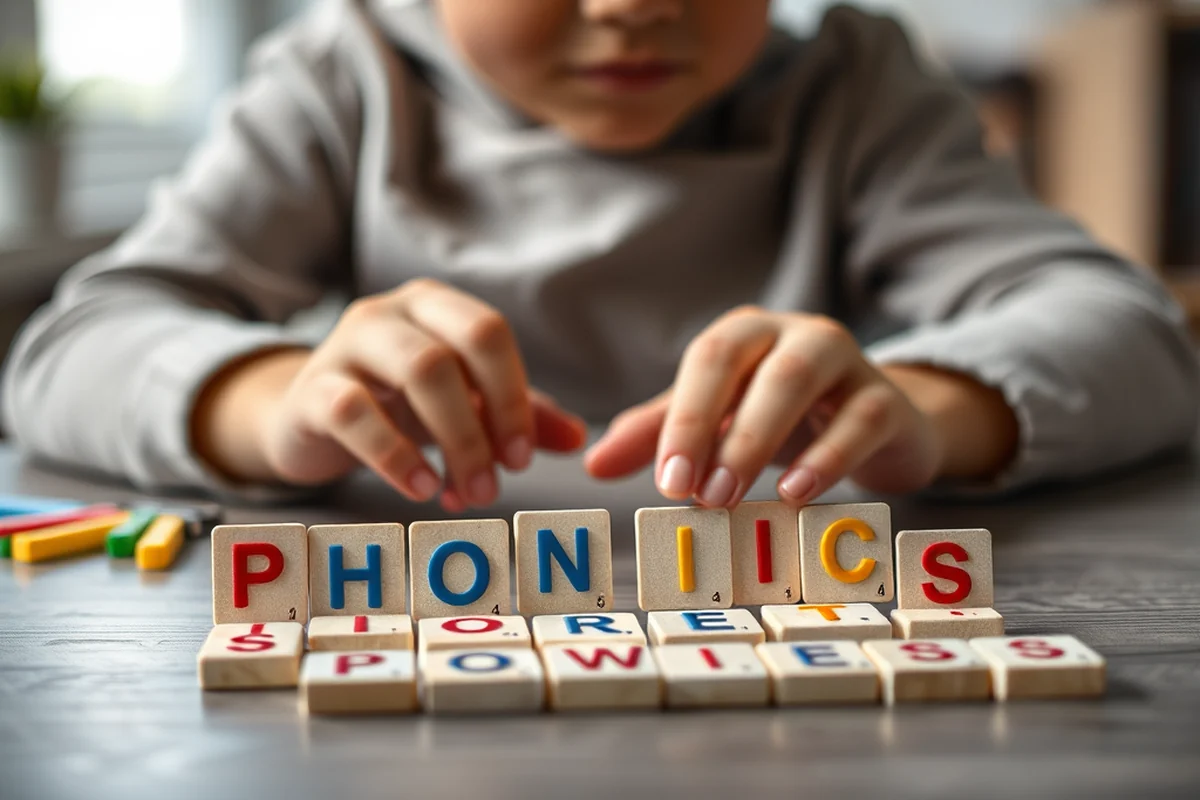
I’ve tried a few digital phonics apps, and while they’re certainly useful, I find that they lack the visual feedback that printables give. With a printable, I can see exactly where my son is struggling and where he’s excelling. I can mark off letters he’s mastered and circle the ones he needs more practice with. It’s a simple but powerful way to see his progress over time.
Another advantage of printables is that they’re more accessible. I don’t always have my phone or tablet with me, but I always have a few printables on hand. It’s easy to grab a page and start working without needing to charge a device or wait for an app to load. Plus, when my son is working on a printable, he’s not distracted by notifications or other apps that might pull his attention away.
I’ve also noticed that printables help build fine motor skills. Holding a pencil and tracing letters helps develop the muscles in a child’s hand, which is important for future writing. I’ve seen a big improvement in my son’s handwriting since we started using printables regularly. It’s a bonus that I didn’t expect.
Printables give kids a clear, visual way to see their growth that digital tools often miss.
Related: How to phonics activities progress assessment
Related: Budget phonics activities progress assessment
Related: Easy phonics activities progress assessment
Related: Phonics activities assessment ideas
Related: Best phonics activities progress
How to Customize Phonics Activities Progress Printable for Different Learning Levels
One of the things I love about these phonics activities is that they can be customized. If my son is just starting out, I can use the printables that focus on letter recognition and basic sounds. For older kids who are ready to blend sounds, I can use the more advanced pages that include syllables and phonetic spelling. It’s a simple way to tailor the activities to a child’s needs.
I’ve also found that some kids benefit from color-coding their printables. I’ll use colored pencils to highlight different sounds or mark off letters they’ve mastered. It makes the activity more engaging and helps kids see their progress more clearly. I’ve noticed that my son is more motivated to complete the printables when he can color them in and see his work come to life.
Another way to customize the printables is by incorporating a child’s interests. If my son is into dinosaurs, I’ll use printables that feature dinosaur pictures. It makes the activity more fun and keeps him engaged. I’ve seen a huge difference in his motivation when he can connect the phonics activity to something he loves.
Using colors and themes that a child enjoys can make phonics activities feel more like play and less like work.
“I remember the first time my son sat down with a phonics activity printable and actually stayed focused for more than five minutes.”— Blendandread editors
The Importance of Tracking Progress Over Time

One of the most valuable things about using phonics activities progress printable is the ability to track progress over time. I’ve started a folder with all my son’s completed printables, and I look back at them every few weeks. It’s amazing to see how much he’s improved. He’s gone from not recognizing any letters to being able to spell his name and simple words like 'dog' and 'cat'.
Tracking progress also helps identify areas where a child might need more support. If I notice that my son is struggling with the letter 's', I can focus more on that sound in the next few weeks. I’ve found that it’s easier to make adjustments when I can see where he’s excelling and where he’s falling behind.
I’ve also noticed that tracking progress helps build confidence in a child. When a child sees how far they’ve come, they’re more likely to keep trying. I’ve seen my son become more determined to complete his printables when he sees that he’s made progress. It’s a small but powerful way to encourage learning.
How to Stay Motivated and Keep the Fun in Phonics Learning
I’ve found that the best way to keep phonics learning fun is by making it a game. I’ll turn printables into a scavenger hunt where my son has to find all the letters on the page, or we’ll play a matching game where he has to pair letters with their sounds. It’s a simple way to add some excitement to the activity.
Another thing I do is reward progress with small treats or praise. If my son completes a printable, I’ll give him a sticker or a few extra minutes of playtime. It’s not about bribery—it’s about reinforcing positive behavior and showing him that his hard work is appreciated. I’ve seen a big difference in his motivation when he knows he’s being recognized for his efforts.
I also make sure to mix up the activities. Sometimes we do printables, sometimes we do letter hunts around the house, and sometimes we use flashcards. Keeping things varied helps keep my son interested and prevents him from getting bored. It’s all about finding what works best for him and making learning feel like a journey rather than a chore.
👶 Younger Kids
For children aged 3-4, this printable focuses on letter recognition and basic sounds, using bright colors and simple shapes.
👦 Older Kids
Designed for children aged 5-6, this printable includes more advanced activities like blending sounds and phonetic spelling.
📄 No-Prep
This variation is perfect for busy parents who want to use phonics activities without any preparation or printing.
👥 Group Version
Ideal for classroom or playgroup settings, this printable is designed for multiple children to use at the same time.
🔍 Extension
This printable includes extra challenges and activities for kids who are ready to move beyond basic phonics and into more complex reading skills.
| The mistake | Why it happens | The fix |
|---|---|---|
| Using printables too infrequently | Consistency is key when it comes to phonics learning. If printables are used too rarely, children may not retain the information or see progress. | Try to use printables at least three times a week for short, focused sessions. |
| Not adapting the printable to a child’s learning level | Using printables that are too advanced or too simple for a child can lead to frustration or boredom. | Customize the printable based on the child’s current skill level and learning needs. |
| Focusing only on printables and ignoring other phonics activities | Printables are a great tool, but they should be part of a broader phonics learning routine that includes hands-on activities and real-life practice. | Incorporate a variety of phonics activities, such as letter hunts, flashcards, and phonics games, to reinforce learning. |
| Not tracking progress | Without tracking progress, it’s easy to miss areas where a child needs support or celebrate their achievements. | Use the progress tracker included in the printable to keep a record of your child’s growth over time. |
Phonics Activities Progress Printable
Common Questions
Can these phonics activities be used for children who are not native English speakers?
How often should I use phonics activities progress printable?
Are the printables suitable for children with learning disabilities?
Do I need any special materials to use these printables?
References
- Delaware Early Literacy Playbook (education.delaware.gov)
- in Kindergarten - Arizona Department of Education (azed.gov)
- Phonics for 3rd Grade | NC DPI (dpi.nc.gov)
Cite this guide
Blendandread (2026). Phonics Activities Progress Printable. https://blendandread.com/phonics-activities-progress-printable/
Feel free to cite or share this guide.