
What Is Phonics Definition
📖 Table of Contents
- What Is Phonics Definition?
- Phonics in the Classroom: A Teacher's Perspective
- Phonics at Home: Making Learning Fun
- The Science Behind Phonics: Why It Works
- Phonics for Older Children: Building on What They Know
- Phonics in the Real World: How It Helps Kids Read Better
- Phonics and Reading Confidence: A Parent's Perspective
- Make It Your Way
- Frequently Asked Questions
I still remember the first time my daughter, then 4 years old, asked me why the word 'cat' sounded different from 'cut.' I didn't know then that this simple question would lead me down a path of discovery about phonics — a method that would change how we approached reading at home. Phonics is the bridge between sounds and letters, and it's one of the most powerful tools I've ever encountered for helping children learn to read. What is phonics definition? It's the system that teaches kids how letters and letter groups represent sounds, and it's the foundation of early literacy.
Before we began using phonics, reading was a frustrating game of trial and error for my daughter. She would guess at words, stumble over sounds, and become discouraged quickly. But once we started focusing on the connection between sounds and letters, everything changed. Phonics is more than just a teaching method — it's a way of thinking about language that makes reading feel like a puzzle to solve, not a mystery to unravel. What is phonics definition? It's the key that unlocks the door to reading fluency, and I've seen it transform young learners in ways that are nothing short of amazing.
As an educator and a parent, I've had the chance to witness phonics in action with hundreds of children. What is phonics definition? It's the systematic instruction of how letters and sounds work together, and it's the reason so many children are able to read confidently by the time they start school. I remember one little boy who struggled with reading for months before we introduced phonics to him. Within weeks, he was sounding out words and reading simple sentences. That's the power of phonics — it's not just about learning to read; it's about learning to think about how language works.
Why You'll Love This Simple Approach to Learning
- Phonics builds strong reading skills from the ground up by connecting sounds to letters.
- It's a proven method that's used in schools worldwide to improve literacy rates.
- Phonics helps children become confident readers by making reading feel like a game.
- It's adaptable and can be tailored to suit different learning styles and ages.
What Is Phonics Definition?
As of November 2026, What is phonics definition? It's a teaching strategy that focuses on the relationship between letters and the sounds they make. Phonics is not about memorizing words or guessing at them — it's about learning how to decode them. For example, when a child learns that the letter 'b' makes the sound /b/, they can use that knowledge to sound out words like 'bat' or 'book.'
Phonics is the foundation of reading instruction in most schools around the world. It's used to teach children how to break words into smaller parts, how to blend those parts together, and how to read with fluency. One of the best things about phonics is that it's systematic and structured — which means that it's designed to build reading skills step by step.
When I first started using phonics with my daughter, I was amazed at how quickly she began to recognize patterns in words. She learned that the letter 'c' makes the /k/ sound, and that 's' makes the /s/ sound. Over time, she started to blend these sounds together to read simple words. It was like watching a puzzle piece by piece come together.
When introducing phonics, begin with the most common letter-sound relationships, like 'b' for /b/ and 's' for /s/. Use flashcards or printable activities to reinforce these connections.
Part of our Phonics activities guide.
Phonics in the Classroom: A Teacher's Perspective
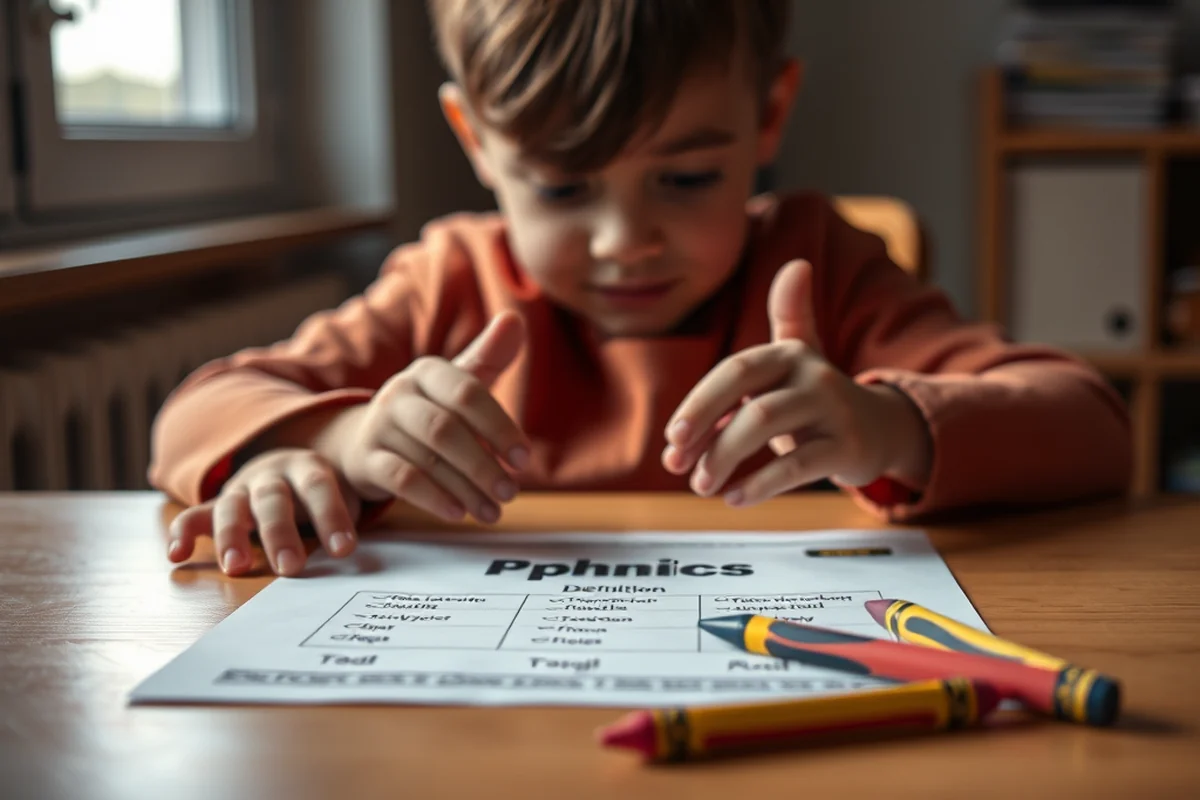
In most classrooms, phonics is taught using a structured approach that builds on previous knowledge. Teachers start with the basics — teaching children how to identify individual sounds and how to blend them together. For example, a teacher might use a word like 'dog' to demonstrate how the sounds /d/, /o/, and /g/ come together to form the word.
Research shows that children who receive phonics instruction are more likely to become fluent readers. In one study, students who were taught phonics had significantly higher reading scores than those who were not. This is because phonics helps children understand the structure of language, which makes reading more intuitive.
As an educator, I've seen how effective phonics can be when taught in a consistent and engaging way. My students have become more confident readers, and many of them have even started to read books on their own. Phonics is not just a method — it's a powerful tool that helps children learn to read in a way that's both fun and effective.
Phonics is the key to unlocking the world of reading.
Related: Top phonics games for kids
Phonics at Home: Making Learning Fun
Phonics doesn't have to be limited to the classroom — it can be a part of everyday life. Parents can use simple activities to reinforce phonics skills, like reading together, playing letter games, or even singing songs that focus on sounds. These activities make learning feel like play, which helps children stay engaged and motivated.
One of my favorite activities to do at home is to use a whiteboard and draw letters while saying their sounds. My daughter loves this because it gives her a chance to practice writing and saying the letters. Another fun way to teach phonics is to use magnetic letters or alphabet blocks, which allow children to manipulate the letters and create their own words.
When I first started using phonics at home, I was surprised at how quickly my daughter began to recognize letters and sounds. Now, she can read simple words and even sound out more complex ones. Phonics has turned reading from a chore into a game, and that's the best part.
Look for objects around the house that start with the same letter sound. For example, if you're working on the letter 'b,' point out items like a book, a ball, or a basket. This helps children make real-world connections to letters and sounds.
“I still remember the first time my daughter, then 4 years old, asked me why the word 'cat' sounded different from 'cut.' I didn't know…”— Blendandread editors
Related: Phonics teaching program near me
The Science Behind Phonics: Why It Works
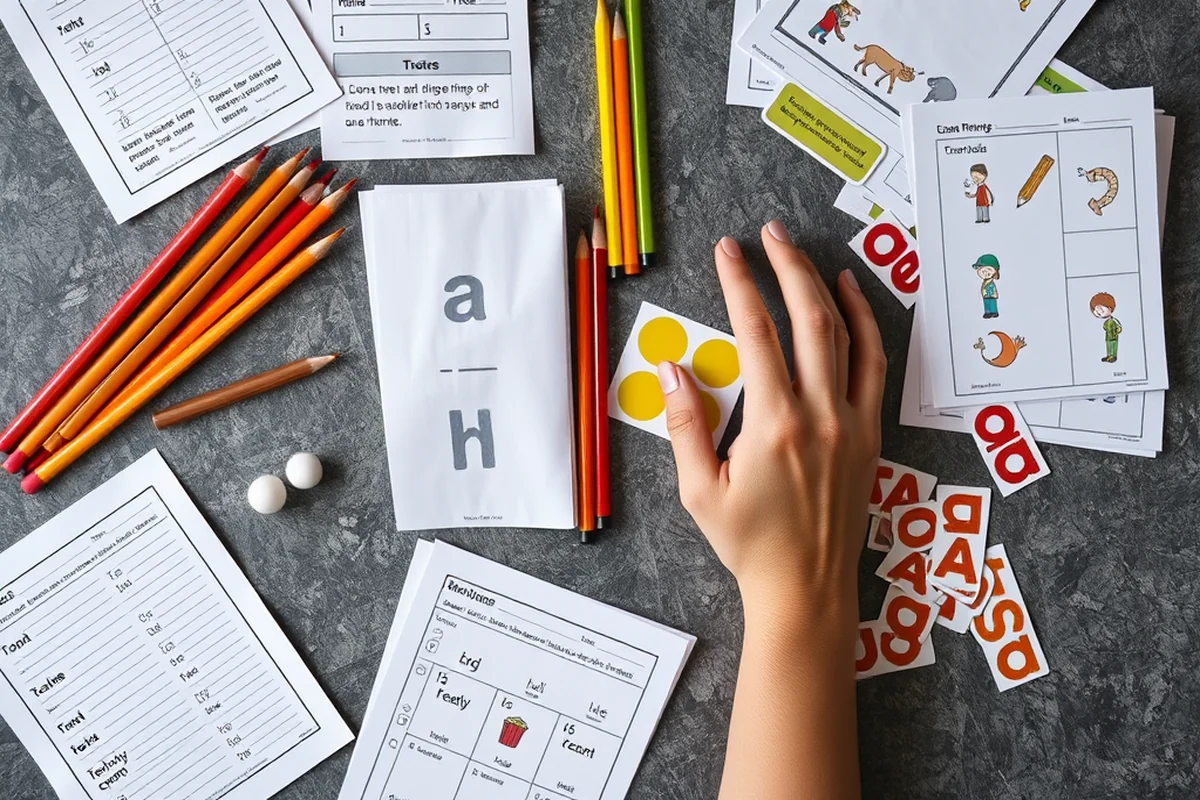
Phonics works because it taps into how the brain naturally processes language. The brain is wired to recognize patterns, and phonics helps children recognize the patterns in words. This is why phonics is so effective for teaching reading — it's using the brain's natural ability to make connections between sounds and letters.
Research has shown that phonics helps children develop better reading skills because it teaches them how to decode words. Decoding is the process of breaking down words into smaller parts and using that knowledge to read new words. This is a crucial skill for young readers, and phonics makes it easier to learn.[1]
I've seen this in action with my daughter — she learned to read by breaking down words into their component sounds and then blending them together. Over time, she became more confident and more fluent. Phonics has given her the tools she needs to read independently, and that's something I'm incredibly proud of.
Related: What is phonics kindergarten
Phonics for Older Children: Building on What They Know
While phonics is often associated with early childhood education, it can also be used to help older children who are struggling with reading. Many children who are not reading at grade level have gaps in their phonics knowledge, and filling those gaps can make a big difference.
One of the best ways to help older children with phonics is to use a structured approach that builds on what they already know. For example, if a child is struggling with blending sounds, you can use activities that focus on that specific skill. This helps them build confidence and improve their reading abilities.
I've seen this work with my cousin's son, who was struggling with reading in third grade. He had gaps in his phonics knowledge, but once he started working on it, his reading skills improved dramatically. Phonics can be a powerful tool for helping older children catch up and succeed in school.
Related: Phonics and stuff
Phonics in the Real World: How It Helps Kids Read Better
Phonics is not just a classroom tool — it's a real-world skill that helps children read better in everyday life. When children learn phonics, they gain the ability to read unfamiliar words, which is a crucial skill for reading fluency.
One of the best things about phonics is that it helps children become more independent readers. Instead of relying on memory or guessing to read, children use their phonics knowledge to decode words. This makes reading more efficient and more enjoyable.
I've seen how phonics has helped my daughter become a confident reader. She used to struggle with reading, but now she can read on her own and even help me with simple tasks like reading grocery lists. Phonics has given her the tools she needs to be successful in school and in life.
Phonics is the key to unlocking the world of reading.
Related: Starfall learn to read with phonics
Phonics and Reading Confidence: A Parent's Perspective
As a parent, one of the most rewarding things about phonics is how it builds confidence in children. When children learn how to read using phonics, they feel more in control and more capable. This confidence can carry over into other areas of learning and help children succeed in school.
I've seen this with my daughter — she used to be anxious about reading, but now she loves it. She enjoys sounding out words and even helps me with simple reading tasks around the house. Phonics has given her the confidence she needs to read independently and to feel good about her abilities.
Phonics is more than just a teaching method — it's a way to build confidence in children. When children learn to read using phonics, they gain the skills they need to be successful in school and in life. That's why I believe phonics is one of the most important tools we can give to young learners.
👶 Phonics for Preschoolers
Use fun and interactive activities to teach letter sounds to young children.
👦 Phonics for Kindergarteners
Introduce simple blending and segmenting activities to help children read basic words.
📄 No-Prep Phonics Activities
Use everyday objects and free printable materials to teach phonics in a no-prep way.
👨👩👧👦 Group Phonics Activities
Engage a group of children with interactive phonics games and activities.
📚 Phonics for Older Children
Use structured phonics activities to help older children who are struggling with reading.
| The mistake | Why it happens | The fix |
|---|---|---|
| Rushing through phonics instruction | Phonics is a systematic and structured approach to reading instruction. Rushing through the material can lead to gaps in learning and prevent children from fully understanding the concepts. | Take the time to go through each phonics concept step by step. Use a variety of activities to reinforce each skill and ensure that children have a solid foundation before moving on. |
| Not reinforcing phonics skills at home | Phonics is most effective when it's practiced consistently both in the classroom and at home. Not reinforcing phonics skills at home can lead to slow progress and frustration. | Make phonics a part of your daily routine by reading together, playing phonics games, and using printable activities to reinforce learning. |
| Focusing only on letter recognition | Phonics is not just about recognizing letters — it's about understanding how letters and sounds work together. Focusing only on letter recognition can limit children's reading skills and prevent them from developing the ability to decode words. | Use a variety of phonics activities that help children practice blending sounds and segmenting words. This will give them the tools they need to become fluent readers. |
| Ignoring the importance of phonics in reading fluency | Phonics is a crucial component of reading fluency. Ignoring it can lead to difficulties with decoding words and reading comprehension. | Make sure that phonics is a regular part of your child's reading instruction. Use structured phonics activities to help them build the skills they need to read with fluency. |
What Is Phonics Definition
Common Questions
How long does it take to see results with phonics?
Can phonics be used with children who have learning disabilities?
What are the best phonics resources for parents?
How can I help my child practice phonics at home?
References
- - REPORT OF THE NATIONAL READING PANEL - GovInfo (govinfo.gov)
Cite this guide
Blendandread (2026). What Is Phonics Definition. https://blendandread.com/what-is-phonics-definition/
Feel free to cite or share this guide.