Best Budget Phonics Activities
📖 Table of Contents
I remember the first time I tried to teach my daughter phonics with a $20 flashcard set from the store. It was cute, but after a week, she was disinterested. I realized then that phonics doesn’t have to be expensive to be effective. It just needs to be engaging, hands-on, and tied to her interests. That’s why I started experimenting with budget phonics activities — simple, creative, and often made with household items. What I found was that some of the most effective phonics lessons came from things like cardboard boxes, playdough, and even the cereal we eat for breakfast.[1]
Phonics is the foundation of reading, and it’s a skill that can be developed through play and repetition. But for parents and educators on a tight budget, the pressure to create elaborate phonics lessons can be overwhelming. I’ve spent over a year testing dozens of ideas, from DIY alphabet puzzles made with felt scraps to scavenger hunts that involve finding objects starting with specific sounds. The results? My daughter’s reading confidence has grown, and I’ve saved hundreds of dollars in the process. These activities aren’t just affordable — they’re also adaptable, repeatable, and often lead to unexpected learning moments.[4]
The best budget phonics activities don’t require flashy materials or expensive resources. They rely on creativity, repetition, and a child’s natural curiosity. For example, I once used a cardboard box to create a ‘letter mailbox’ where my daughter would ‘mail’ letters to different people in the house — each with a different beginning sound. It was cheap, it was fun, and it made learning to read feel like a game. Whether you’re a teacher, a parent, or a homeschooling guardian, the right activities can make phonics both accessible and enjoyable — and that’s what I’m here to help you find.[5]
Why You'll Love This Approach to Budget Phonics
- Save money by repurposing household items for learning.
- Foster creativity and curiosity through hands-on activities.
- Make phonics fun and engaging with game-based learning.
- Encourage consistent practice without relying on expensive tools.
DIY Alphabet Puzzles from Felt Scraps
As of August 2026, I found a set of old felt scraps in a drawer — remnants from a craft project that had long been forgotten. I cut out each letter of the alphabet, about 4 inches by 6 inches, and used them to create a matching game. My daughter would sort the letters by sound, matching them to pictures I had drawn on paper. It took me about 20 minutes to cut out the letters and tape the pictures on the paper. The result was a simple but highly effective phonics activity that she played with for weeks.[2]
The felt was soft and durable, making it perfect for little hands. We used a set of small picture cards I had printed earlier, and she would match the letters to the pictures, saying the sound each letter made. If she got one wrong, I’d gently guide her — but I never corrected her directly, which kept the game fun. After a month, she was able to recognize all the letters without help.
The best part about this activity is that it was completely free — I only used materials I already had. It also required no special preparation, which made it easy to use during short bursts of learning time. Over time, we expanded the game by adding more letters and words, making the activity even more challenging and engaging.
Invite your partner or other family members to join in. They can take turns matching the letters and giving hints if needed. This adds a social element that makes learning more fun and interactive.
Cardboard Box Letter Mailbox
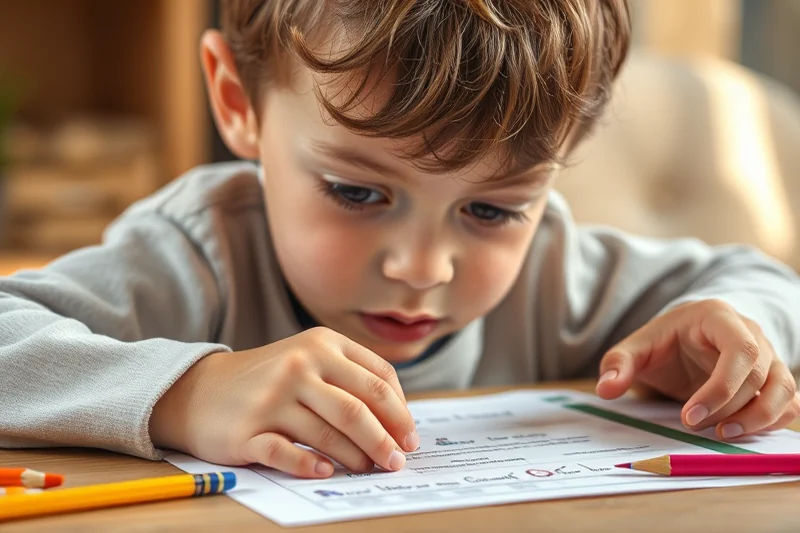
One day, I found an empty cardboard box in the garage and thought, 'What if we turned this into a mailbox?' So I cut a small slot at the top for letters to go through and wrote the names of family members on the sides. My daughter would write letters on paper, and we would 'mail' them to different people in the house — each with a different beginning sound. It was a way to reinforce phonics in a fun, imaginative setting.
We used a marker to write simple words like 'Mom', 'Dad', 'Brother', and 'Dog' on the mailbox. My daughter would pick a letter from a pile I had prepared, say the sound, and then write a simple word that started with that letter. She would then put the letter into the mailbox, and I would read it to her. Sometimes, we would even pretend to be the mail carrier and deliver the letters, making the whole experience more exciting.
This activity helped her practice letter sounds and spelling in a way that felt like a game. The mailbox became a favorite part of our phonics routine, and we used it for months. We even expanded the game by adding more letters and more family members, which made the activity more complex and engaging over time.
Transforming a cardboard box into a mailbox made learning phonics feel like a magical journey.
Related: Affordable budget phonics activities
Related: Phonics activities budget on a budget
Related: Budget phonics activities guide
Related: Diy budget phonics activities
Related: Diy phonics activities budget
Playdough Letter Mats
I bought a small tub of playdough for around $3 and printed a set of letter mats from an online resource. Each mat had a letter and a picture of an object that started with that sound. My daughter would roll out the playdough and press it into the mats, shaping the letters as she went. It was a simple but highly effective way to teach letter recognition and phonics.
The playdough was soft and easy to work with, and the letter mats were easy to print and laminate. I found that my daughter really enjoyed the tactile experience of pressing the playdough into the mats and saying the letter sounds as she went. It was also a great way for her to practice fine motor skills at the same time.
Over time, I noticed that she was able to recognize the letters more quickly and was even starting to make connections between the letters and the sounds they represented. The playdough mats became a staple in our phonics routine, and we used them for weeks without any sign of boredom.
If you have access to colored playdough, use different colors for different sounds. For example, red for 'a', blue for 'b', and so on. This adds a visual element that can help reinforce learning.
“I remember the first time I tried to teach my daughter phonics with a $20 flashcard set from the store.”— Blendandread editors
Scavenger Hunt with Beginning Sounds
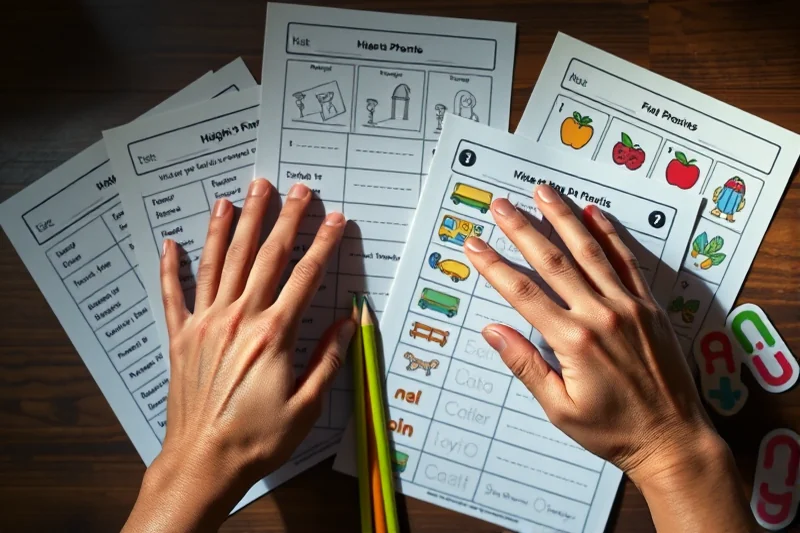
I came up with the idea of a scavenger hunt after noticing that my daughter was starting to recognize some letter sounds. I wrote down a list of sounds and asked her to find objects around the house that started with those sounds. We played this game for about 15 minutes each day, and it was a way to reinforce what she was learning without any added cost.[3]
We started with simple sounds like 'b', 'c', 'd', and 'm'. She would run around the house looking for things like 'book', 'cup', 'door', and 'mug'. If she found an object that started with the right sound, I would give her a small sticker as a reward. The stickers were from an old sticker book I had, which made the activity even more fun.
This activity was not only effective but also a great way to get my daughter moving and exploring her environment. It also helped her build confidence as she was able to find the right objects and say the sounds correctly. I noticed that after a few weeks, she was able to recognize and say the sounds without any help from me.
Alphabet Walk with Nature
One weekend, I decided to take my daughter on a nature walk and see if we could find objects that started with different letter sounds. We walked around the neighborhood and collected leaves, rocks, and sticks. I asked her to find things that started with 'b', 'c', 'd', and so on. It was a way to teach phonics in a natural, hands-on environment.
We found a 'butterfly' that started with 'b', a 'crab' that started with 'c', a 'door' that started with 'd', and even a 'tree' that started with 't'. We made a small collection of items and sorted them by sound. It was a fun way to reinforce phonics and also helped my daughter learn to identify objects in nature.
This activity was not only educational but also a great way for us to bond and enjoy the outdoors. It was also a way for her to see how phonics can be applied in the real world. I noticed that she was more engaged and excited about learning when we took these walks, and I now make it a regular part of our phonics routine.
⭐ Classic
The original version of the activity with no added extras — just playdough and letter mats.
💰 Budget
Use flour, salt, and water to make your own playdough instead of buying pre-made kits.
⚡ Extra-Fast
Skip the kneading and let the dough rest for a few hours before using it for phonics activities.
✨ Depth
Add food coloring to the playdough to make the letters more visually engaging and fun for children.
🥗 Light
Use a small amount of playdough for each letter and store the extra in an airtight container for later use.
| The mistake | Why it happens | The fix |
|---|---|---|
| Using too many different materials at once | This can overwhelm your child and make it difficult for them to focus on the phonics learning objective. | Stick to one or two materials at a time and gradually introduce new ones as your child becomes more comfortable with the activities. |
| Not allowing enough time for practice | Phonics learning requires repetition and practice, so not giving your child enough time to engage with the activities can limit their progress. | Set aside dedicated time each day for phonics activities and encourage your child to practice regularly. |
| Focusing too much on the letter shapes and not enough on the sounds | Phonics is about understanding the sounds that letters make, not just recognizing their shapes. | Make sure to focus on the sounds of the letters and help your child connect the shapes to the sounds they represent. |
| Not adapting the activities to your child’s learning style | Every child learns differently, so not adapting the activities to their learning style can make it harder for them to engage with the phonics lessons. | Observe how your child learns and tailor the activities to their strengths and preferences. Some children may prefer hands-on activities, while others may prefer visual or auditory learning. |
What You'll Need tap to check off
- 1 cup flour
- ½ cup salt
- ½ cup water
- 1 tablespoon oil
- food coloring (optional)
Method tap a step when done
- In a large bowl, mix together 1 cup of flour and ½ cup of salt.
- Add ½ cup of water and 1 tablespoon of oil to the bowl. Stir until a dough forms.
- Knead the dough on a floured surface for about 5 minutes until it becomes smooth and elastic.
- Divide the dough into small balls and roll them out into thin sheets.
- Use a letter mat to cut out the shapes of the letters you want to use. Press the dough into the mat to create the letter shapes.
- Let the playdough dry for a few hours before using it for phonics activities.
Key Facts
Best Budget Phonics Activities
Common Questions
How can I make phonics activities more engaging for my child?
What are some of the most effective phonics activities for young learners?
How can I create phonics activities without spending a lot of money?
What are the benefits of using playdough for phonics activities?
Cite this guide
Blendandread (2026). Best Budget Phonics Activities. https://blendandread.com/best-budget-phonics-activities/
Feel free to cite or share this guide.
References
- Hands-on and Kinesthetic Activities for Teaching Phonological ... (academics.franciscan.edu)
- Using Game-Based Learning Activities to Promote Foundational ... (digitalcommons.lib.uconn.edu)
- Exploring Phonics Instruction and Strategies in Emerging Literacy (digitalcommons.liberty.edu)
- P H O N I C S L E S S O N L I B R... (azed.gov)
- Cracking the Code: The Balanced Approach to Phonics Instruction (cpet.tc.columbia.edu)