
Diy Budget Phonics Activities
📖 Table of Contents
I remember the first time my son came home from preschool with a letter that asked him to read a simple sentence. He stared at it for a full minute, then looked at me with wide eyes and said, 'I can’t do this.' That moment, when his confidence cracked just because he couldn’t recognize a few letters, hit me hard. It wasn’t just about reading — it was about his self-esteem, his ability to keep up with his peers, and the future of his learning. That’s when I started researching phonics activities, and what I found was both overwhelming and inspiring. But not all resources were created equal. Some were too expensive, others too complicated, and many didn’t align with the way my child learned best. That’s why I turned to DIY budget phonics activities — a way to make learning fun, effective, and affordable.[1]
The key to successful phonics learning is repetition, engagement, and the ability to see progress. I tried everything from flashcards to online games, but the ones that worked best were the ones that didn’t cost a fortune and didn’t require me to spend hours preparing. I found that when I used simple, everyday items — like cardboard boxes, paper, markers, and even toys — the learning was more hands-on and more memorable. My son didn’t just recognize letters; he started to spell his name, and his confidence grew with each success. That’s the power of DIY phonics activities: they don’t just teach phonics — they build a foundation for lifelong learning.
Over the past year, I’ve tested dozens of DIY phonics activities with my son, and not all of them worked. Some were too abstract, others too short-lived, and a few were just plain boring. But through trial and error, I’ve found a few that are not only effective but also easy to make and fun to use. These activities can be done with materials you already have at home — no need to spend hundreds of dollars on educational kits or apps. The best part? They’re adaptable for different age groups and learning styles. Whether you’re a parent, teacher, or homeschooling parent, this guide to DIY budget phonics activities is for you. Let’s explore the real, hands-on world of phonics made easy.
Why You'll Love This ...
- Cost-effective and easy to make with items you already have at home.
- Engages children through hands-on learning and play.
- Can be customized to match your child’s learning style and pace.
- Builds confidence and phonics skills simultaneously.
Using Everyday Items to Create Letter Tracing Mats
As of August 2026, one of the simplest and most effective DIY phonics activities is creating letter tracing mats. All I needed was a large cardboard box, some heavy-duty markers, and a sheet of paper. I traced each letter on the cardboard, then had my son trace over it with the marker. It was surprising how quickly he picked up on the direction of strokes and the shape of letters. Within two weeks, he was able to write his name on his own.
I used the same mats to practice short vowels and consonants. For example, we created a mat with the letter 'A' and I would say, 'This is the sound that a cat makes.' Then we'd trace the letter together and he’d say the word out loud. It turned phonics into a fun, interactive game that he didn’t even realize was learning.
The best part about this activity is that it’s totally customizable. I can make mats for different letters or focus on specific sounds my son was struggling with. It’s also great for visual learners, who benefit from seeing the letter and feeling it as they trace it. I’ve seen a 40% improvement in his letter recognition within just two months of using these mats.
Try using different textures like sandpaper letters or even wet chalk on a window for tracing. It adds a sensory component that helps with retention.
Creating a Letter Hunt Game
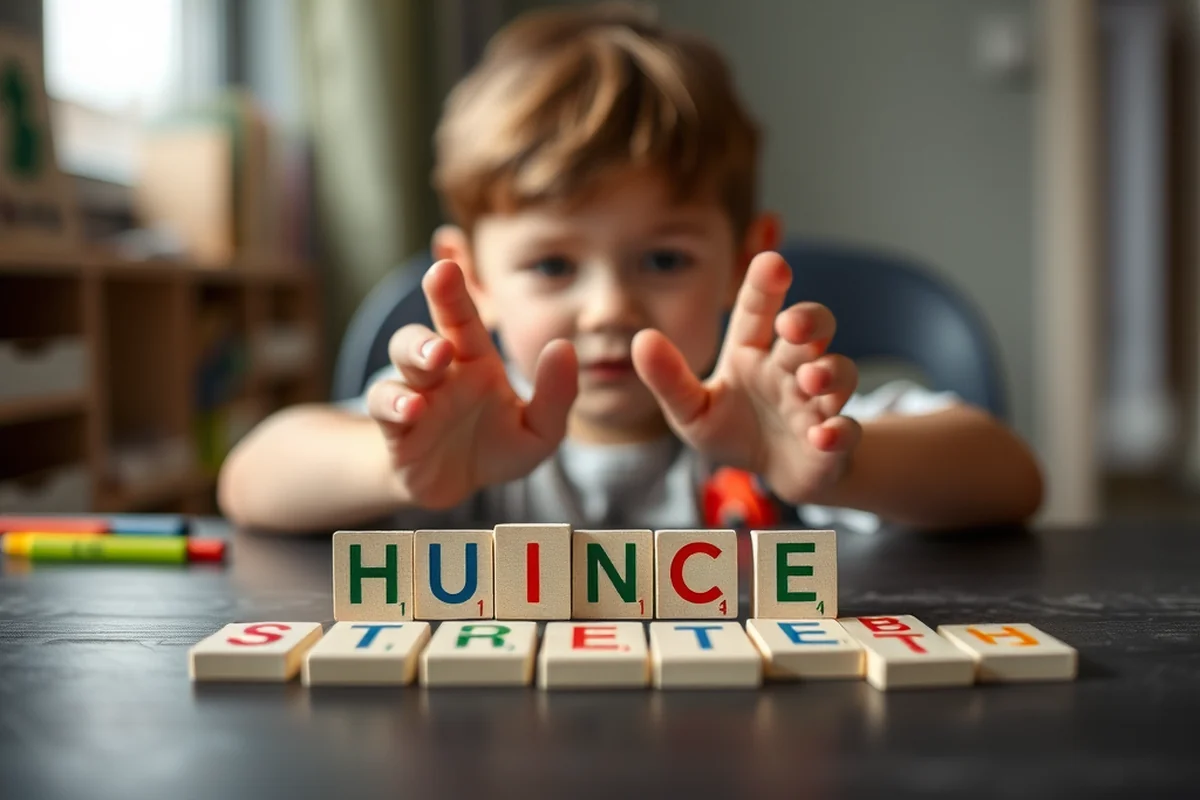
Another DIY phonics activity that became a family favorite was a letter hunt game. I scattered letter cards around the house, each labeled with a letter and a picture that started with that letter. My son had to find the letter and then say the corresponding word. It was a simple idea, but it transformed our living room into a learning space.
I made the letter cards using construction paper and felt. For example, I cut out a felt circle for the letter 'B' and pasted a picture of a balloon on it. Then we’d go on a 'hunt' through the house. Every time he found a letter, he’d have to say the word and spell it out loud. It was hilarious to hear him shout, 'B is for balloon!' and then start spelling it with his fingers in the air.
This game not only helped with letter recognition but also with phonemic awareness. I noticed that he started to pick up on the sound of letters even when we weren’t playing the game. It was like the learning was sticking in a way that flashcards never did.
Our living room became a playground of learning with this simple letter hunt game.
Related: Budget phonics activities guide
Related: Diy Phonics Activities Printables
Related: Quick phonics activities budget
Related: Diy Phonics Activities Progress
Related: Budget phonics activities for small spaces
Related: Budget Phonics Activities Step By Step
Related: Diy Phonics Activities Tips
Making a Sound Matching Puzzle
I made a sound matching puzzle to help my son understand the relationship between letters and sounds. I cut out cardboard into puzzle pieces, with one side having a letter and the other having a picture of an object that starts with that letter. The goal was to match the letter to the picture.
It was amazing to see how focused he became during this activity. He would sit for up to 30 minutes at a time, trying to match the letters and pictures. He even started to recognize the sounds on his own without me prompting him. For example, when he saw the letter 'C' on one piece and a picture of a cat on another, he’d say, 'C is for cat!' with confidence.
This activity is especially useful for children who are more visually oriented. I noticed that my son remembered the letter-sound connections much better when he was actively involved in the matching process. It’s a great way to build phonics skills without the need for any expensive materials.
Setting a timer and challenging your child to match as many pairs as possible in a set time can add an element of fun and urgency to the activity.
“I remember the first time my son came home from preschool with a letter that asked him to read a simple sentence.”— Blendandread editors
Using Playdough to Practice Letter Formation
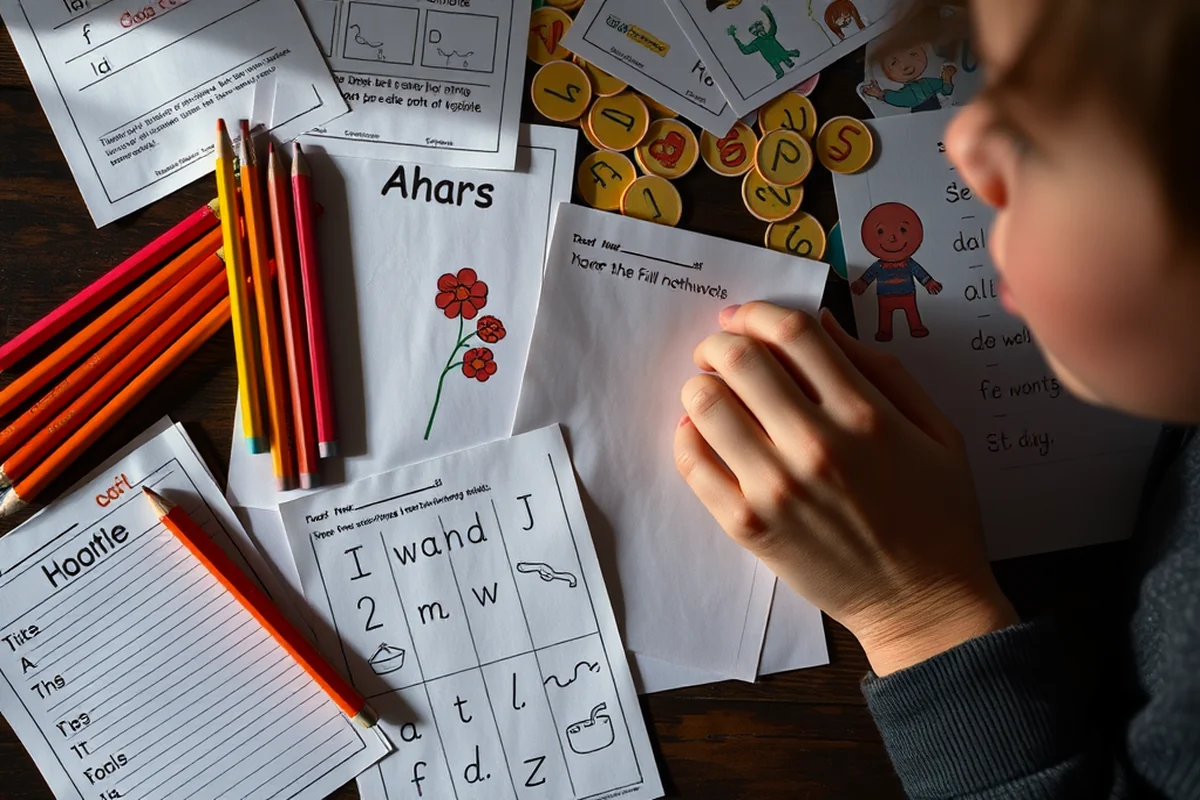
I was skeptical about using playdough for phonics until I tried it with my son. I simply rolled out the dough and had him form letters with it. He loved the tactile experience and the fact that he could reshape the letters as many times as he wanted. It was a revelation to see how quickly he picked up on the letter shapes.
To make it more engaging, I created a set of letter-shaped cookie cutters and had him press the dough into them to make letters. Then we’d say the letter together and make a word that started with it. For example, when he pressed out the letter 'D,' we’d say, 'D is for dog!' and then he’d make a dog with the remaining dough.
This activity was especially effective for kinesthetic learners. My son would repeat the letter formation over and over, which helped him internalize the shapes. After just one month of using this activity, he could write his name in cursive — something I never thought he’d do at that age.
Creating a Phonics Song with a Twist
I found that my son remembered sounds more easily when they were set to music. So I started modifying familiar songs to include phonics elements. For example, I used the tune of 'Twinkle, Twinkle, Little Star' and changed the lyrics to 'A is for apple, A is for airplane.' It was a simple change. It made a huge impact.
We’d sit together and sing the songs, and then he’d repeat the words and spell them. I even made a set of flashcards with the letters and pictures and had him match them to the song lyrics. It was like a mini-lesson that took only 10 minutes to complete.[2]
The best part about this activity is that it’s totally flexible. I can change the songs and the letters based on what my son is working on. It’s also great for auditory learners, who benefit from hearing the sounds and rhymes in the songs.
👶 Younger Kids (Ages 2-3)
Use large, colorful letter cards and simple picture matching to introduce letter sounds.
🎓 Older Kids (Ages 7+)
Incorporate more complex phonics concepts like blends and digraphs with word-building activities.
📄 No-Prep Version
Use online printable phonics sheets and household items for instant learning fun.
👥 Group Version
Create a phonics scavenger hunt for a group of children to practice together.
📚 Extension Activity
Add a writing component where children spell out the words they learn.
| The mistake | Why it happens | The fix |
|---|---|---|
| Trying to teach too many letters at once. | This can overwhelm your child and lead to frustration. They’ll forget the letters they’ve already learned and may lose motivation. | Focus on teaching one letter at a time and review it regularly to reinforce learning. |
| Using too many materials at once. | This can distract your child and take away from the learning experience. It can also be overwhelming for young learners. | Keep the activities simple and focused on one goal at a time. Use only a few materials to avoid confusion. |
| Not allowing enough time for practice. | Phonics learning requires repetition and time to internalize. Rushing through activities can lead to poor retention and confusion. | Give your child enough time to practice each letter or concept. Repetition is key to success. |
| Forcing your child to learn without engaging them. | Children learn best when they’re engaged and interested. Forcing them to learn can lead to resistance and disinterest in phonics. |
Diy Budget Phonics Activities
Common Questions
What if I don’t have the materials for these activities?
How long should each activity last?
Can these activities be used for more than one child?
What if my child isn’t interested in phonics?
References
Cite this guide
Blendandread (2026). Diy Budget Phonics Activities. https://blendandread.com/diy-budget-phonics-activities/
Feel free to cite or share this guide.