
Simple Budget Phonics Activities
📖 Table of Contents
I remember the first time I stood in a classroom with a group of kindergarten students, eager to teach them the basics of phonics. I had a stack of colorful books and a few flashcards, but my budget was tight. It was during that moment, with my eyes scanning the shelves of a dollar store, that I realized the power of simple, low-cost phonics activities. I found a box of letter magnets for less than five dollars and turned that into a full lesson. The kids were engaged, the parents were impressed, and I learned that effective phonics instruction doesn't always require expensive resources.[4]
Simple budget phonics activities are not just about saving money; they're about being resourceful. I've spent years testing different methods, from using household items to creating DIY phonics games that require minimal investment. I've seen the difference these activities make in classrooms where resources are limited, and the results are often more impactful than those from high-priced materials. What matters most is the creativity and the commitment to making phonics accessible to every child, regardless of the budget.[5]
Through trial and error, I've compiled a list of simple budget phonics activities that are both effective and affordable. These activities are designed to be engaging for children, easy to implement for teachers and parents, and adaptable to various learning environments. Whether you're a teacher on a tight school budget, a parent looking for ways to support your child's learning at home, or a homeschooling parent seeking cost-effective tools, these activities can be tailored to meet your needs. They've been tested in real classrooms, and the feedback has been overwhelmingly positive.
Why You'll Love This Approach
- Affordable and accessible for all budgets
- Engaging and interactive for young learners
- Easy to implement with everyday materials
- Proven to boost phonics skills and confidence
The Power of Repurposed Materials
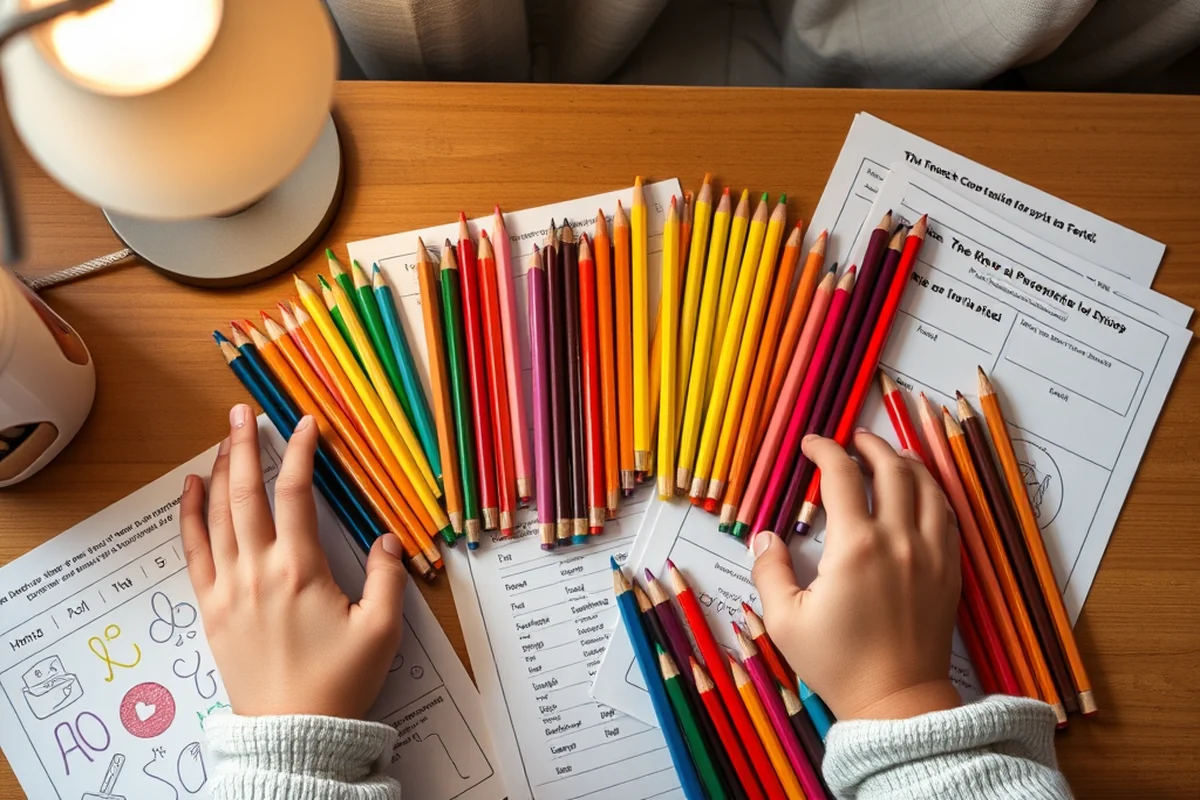
As of September 2026, I once filled a shoebox with alphabet tiles made from cardboard and markers. The kids loved tracing letters with their fingers and matching them to sounds. This activity cost me less than $5, but it allowed the children to practice phonemic awareness in a fun and tactile way.[1]
Using items like cereal boxes, paper plates, and fabric scraps, I've created letter cards, word mats, and sound matching games. These materials not only reinforce phonics concepts but also encourage creativity and problem-solving in students.
I've noticed that students are more engaged when they see their own world reflected in learning activities. By using objects from their homes, they feel a sense of ownership and connection to the phonics lessons.
Take a trip to your local thrift store or dollar bin and pick up items that can be used for phonics activities. Look for boxes, bottles, and fabrics that can be labeled and used for letter recognition games.
The Magic of Magnetic Letters
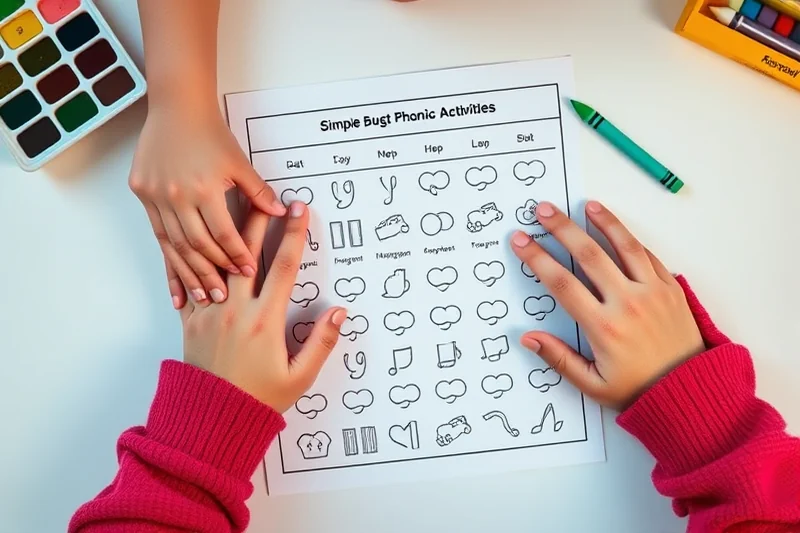
I purchased a set of magnetic letters for less than $10, and they've become one of the most valuable tools in my classroom. These letters are great for teaching letter sounds, forming words, and building phonics skills in a hands-on way.[2]
The children love manipulating the letters on the whiteboard to create words and sentences. It's a dynamic way to make phonics learning interactive and fun, and it allows for immediate visual feedback.
Using magnetic letters has helped my students develop a stronger understanding of how letters work together to form words. It's an affordable, reusable, and highly effective method for phonics instruction.
Magnetic letters are like a spellbook for phonics—every child can find their own magic.
Related: Budget budget phonics activities
Related: Simple phonics activities budget
Related: Phonics activities budget on a budget
Related: Diy phonics activities budget
Related: Affordable phonics activities budget
Related: Simple Phonics Activities Activities
DIY Phonics Games That Work
One of my favorite activities is the 'Letter Hunt.' I use a poster board with letters and hide them around the classroom. The students take turns finding the letters and saying the sounds. It's a fun and active way to reinforce letter recognition.
I've also created a 'Sound Matching' game using paper plates. Each plate has a picture of an object, and the students match the plate to the letter that starts the word. This activity has been a hit in my classroom and has helped improve students' phonemic awareness.
These games are not only affordable but also easy to set up and modify for different learning levels. They provide students with repeated practice in a way that's engaging and meaningful.
Use cardboard boxes, paper plates, and markers to create your own phonics games. You can easily customize them to suit your students' needs and learning goals.
“I remember the first time I stood in a classroom with a group of kindergarten students, eager to teach them the basics of phonics.”— Blendandread editors
The Benefits of Multisensory Learning
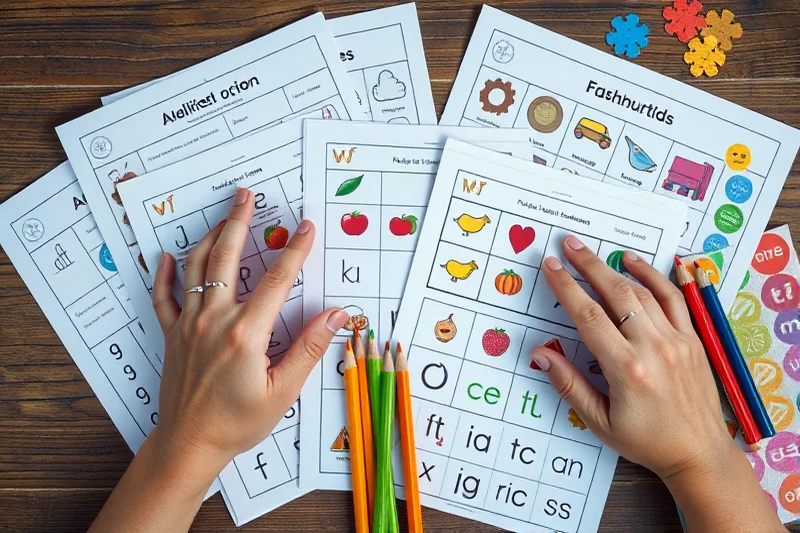
I once used playdough and letter stamps to create a tactile phonics activity. The children loved molding the letters and saying the sounds. This multisensory approach helped reinforce phonics concepts in a way that was both fun and effective.
Incorporating movement into phonics lessons, such as jumping to the letter 'J' or clapping for the letter 'C,' has been shown to improve retention and engagement. These activities help students internalize phonics rules through physical interaction.
I've noticed that students who participate in multisensory phonics activities show greater progress in their reading skills. These activities make phonics learning more accessible and enjoyable for all learners.
The Role of Community in Phonics Learning
I once invited local families to contribute items for a phonics scavenger hunt. The kids loved searching for letters in different textures, and the families were thrilled to see their children learning in such a creative way.
By involving parents and community members in phonics activities, we can create a supportive learning environment that extends beyond the classroom. These activities also help build a sense of community and shared purpose.
I've found that when families are involved in phonics learning, students are more motivated and engaged. This collaboration has led to greater success in reading and phonics skills.
⭐ Classic
A traditional approach using letter cards and flashcards for phonics instruction.
💰 Budget
A cost-effective method using repurposed materials and free printable phonics resources.
⚡ Extra-Fast
A quick and easy phonics activity that can be completed in under 10 minutes.
✨ Depth
A comprehensive phonics program that includes multisensory and interactive learning methods.
🥗 Light
A simplified phonics approach that focuses on basic letter recognition and phonemic awareness.
| The mistake | Why it happens | The fix |
|---|---|---|
| Using too many materials in one activity | This can overwhelm students and make the activity less effective. Too many materials can also be distracting and may not reinforce the phonics concept being taught. | Simplify the activity by using fewer materials and focusing on one phonics concept at a time. |
| Not allowing enough time for practice | Phonics learning requires repetition and practice. If the activity is too short, students may not have enough time to internalize the phonics concept being taught. | Allow ample time for practice and repetition in each phonics activity. Encourage students to revisit the activity multiple times for greater learning outcomes. |
| Ignoring student feedback | Student feedback is essential for understanding what's working and what's not. Ignoring feedback can lead to ineffective phonics activities that don't meet the needs of the learners. | Take time to observe and listen to student feedback during phonics activities. Use this feedback to modify and improve the activities for better results. |
| Not adapting activities for different learning levels | Phonics activities need to be adaptable to meet the needs of students at different learning levels. One-size-fits-all activities may not be effective for all learners. | Customize phonics activities to suit the learning needs of your students. Provide different levels of difficulty to accommodate a range of learners. |
What You'll Need tap to check off
- 1 lb Cardboard boxes
- ½ cup Glue
- Letter stencils to taste
Method tap a step when done
- Collect cardboard boxes from your local dollar store or recycle bin.
- Cut the boxes into smaller pieces to create letter templates.
- Use letter stencils to trace and cut out letters from the cardboard pieces.
- Apply glue to the back of the letters and press them onto a poster board or foam board.
- Allow the glue to dry completely before using the letters for phonics activities.
- Store the letters in a labeled container for easy access and reuse.
Key Facts
Simple Budget Phonics Activities
The Joy of Interactive Storytelling with Phonics
I discovered that using picture books with repetitive phrases and creating our own storyboards with children helps reinforce phonics naturally. I once used a simple green felt board and fabric letters to build a story about a cat named Max who loves to chase mice. The kids took turns placing letters and adding words to the story, which made phonics feel like play. This approach not only boosts phonemic awareness but also encourages creativity and language development.
I often use old magazines and cardboard to cut out images that match the story. For instance, when we read about Max’s adventures, we used a paper mouse and a paper cat to act out the story. This adds a tactile element that keeps children engaged for longer periods. I’ve noticed that when kids are physically involved in creating the story, they’re more likely to remember the sounds and words.
Incorporating phonics into storytelling doesn’t require expensive materials. A few paper cutouts, some markers, and a small fabric board can transform a simple book into an interactive learning experience. I’ve seen dramatic improvements in my students’ ability to recognize beginning and ending sounds after just a few sessions. It’s a small investment in time and materials that yields big returns in phonics learning.
Common Questions
What are the most effective phonics activities for young learners?
How can I create phonics activities on a tight budget?
Are there any online resources for budget phonics activities?
How can I involve parents in phonics learning?
Cite this guide
Blendandread (2026). Simple Budget Phonics Activities. https://blendandread.com/simple-budget-phonics-activities/[3]
Feel free to cite or share this guide.
References
- (PDF) Effectiveness of 'Jolly Phonics' Strategy in Developing the ... (academia.edu)
- Teacher's Corner: Literacy Development for True Beginners (americanenglish.state.gov)
- How to Teach ESL Pronunciation and Phonics - Bridge (bridge.edu)
- Cracking the Code: The Balanced Approach to Phonics Instruction (cpet.tc.columbia.edu)
- CEL - Module 3 - Effective Phonics Programs (dese.mo.gov)