
Diy Phonics Activities Budget
📖 Table of Contents
When I first started teaching my daughter phonics, I was overwhelmed by the cost of educational resources. I remember standing in a store, staring at the shelves of expensive workbooks and apps, wondering how I could make learning affordable. I had a budget, but it didn't include anything near the price of these materials. That's when I decided to create my own DIY phonics activities — not just to save money, but to make learning feel more personal and hands-on for my child. It turned out to be one of the most rewarding decisions I've made.[1]
My first DIY phonics activity was as simple as cutting out cardboard letters and using them to play a game with my daughter. We didn’t need a lot — just a few supplies, some creativity, and a willingness to experiment. Over time, I realized that with a little planning, I could create an entire phonics curriculum at home for under $20. The most surprising thing was how much my daughter engaged with the activities, even when they were homemade. It wasn’t about the cost, but about the connection we made through the process.[2]
What started as a simple idea to reduce costs became a way to truly tailor our learning experience. I found that the DIY approach allowed me to adapt activities to her needs and interests, which made learning more enjoyable and effective. I also discovered that phonics doesn’t have to be rigid or expensive — it can be fun, flexible, and, most importantly, accessible to every family, no matter their budget. With the right mindset and a few simple materials, anyone can create a rich phonics experience at home.[3]
Why You'll Love This DIY Phonics Approach
- Save money while providing a rich phonics learning environment.
- Tailor activities to your child's unique learning style and interests.
- Foster a deeper connection through personalized, hands-on learning.
- Enjoy the satisfaction of creating something special for your child.
How to Create a DIY Letter Sorting Game
As of August 2026, I made a simple letter sorting game with cardboard boxes, printed letter cards, and a few magnets. I cut out the boxes to fit the size of the letters and labeled them with categories like 'Vowels' and 'Consonants.' My daughter would pick up a letter card and place it in the correct box. We played this every evening after dinner, and it became one of her favorite activities. She learned to distinguish between vowels and consonants in just a week.[4]
The best part of this activity was how adaptable it was. We could change the categories to match what we were learning, like 'Letters that make the /s/ sound' or 'Letters with curves.' I also used felt letters to make the game more tactile for her. It was amazing to watch her excitement as she matched the letters correctly, and it helped reinforce phonics concepts in a way that felt natural to her.
One of the hardest parts of making this game was figuring out how to keep the letters from slipping out of the boxes. I solved that by adding a layer of felt inside the boxes. This small detail made a huge difference in how the game functioned and how long it lasted. I've used this setup for months now, and it's still going strong.
Use magnetic letter tiles and a fridge for a no-mess, self-correcting sorting game. Kids can easily move letters around and see if they’re correct instantly.
Using Everyday Objects for Letter Recognition
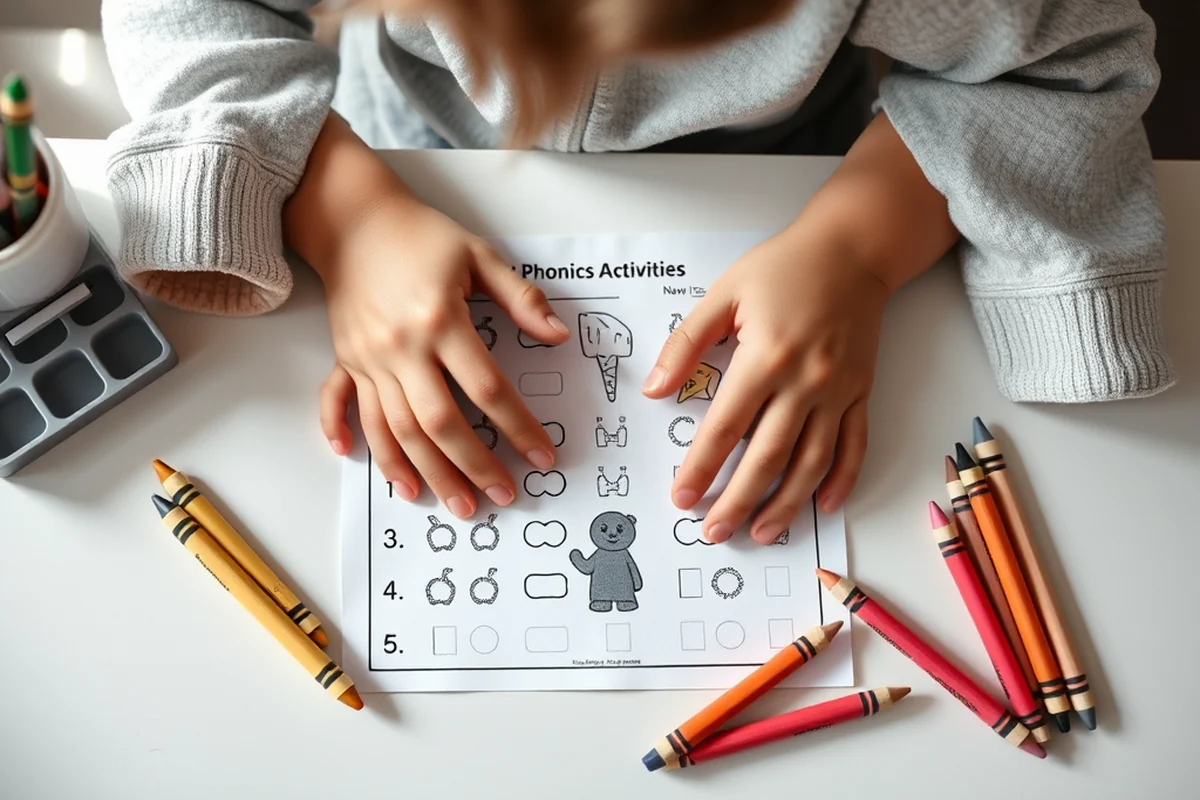
I started by collecting items from around the house that began with different letters. For example, we used a 'B' for banana, a 'C' for cereal box, and an 'M' for milk carton. We laid these items out on the floor and asked my daughter to find the object that started with a specific sound. This activity helped her associate letters with real-world objects and sounds, making phonics more tangible.
We played this game almost every day, and I was amazed by how quickly she started to recognize letters. One of the best parts was how she began to point out objects she saw in the grocery store and say, 'That’s an 'A' for apple!' It was a small but powerful moment that showed how much she was learning.
I also used this approach to teach letter formation by having her trace the letters in the air with her fingers while saying the sound aloud. This simple activity helped build muscle memory for writing letters and reinforced the connection between sounds and shapes.
Turn the world into a phonics classroom — everything around you is a letter waiting to be discovered.
Related: Quick phonics activities budget
Related: Diy budget phonics activities
Related: Quick budget phonics activities
Related: Budget Phonics Activities For Beginners
Related: Budget phonics activities for small spaces
Related: Diy Phonics Activities Activities Games
Related: Diy Phonics Activities Tips
DIY Phonics Flashcards with a Twist
I made my own flashcards by printing letters on colored paper and cutting them out. I used different colors for vowels and consonants, and I added small pictures next to each letter to help my daughter associate the letter with the sound. For example, the letter 'D' had a picture of a dog. We used these flashcards for quick review sessions during our walks or while waiting for meals.
One of my favorite variations was to use the flashcards for a memory game. I would place them face down on the table and take turns flipping two cards at a time. If we found a match, we would say the sound the letter made. It was a fun way to practice phonics and improve memory skills at the same time.
I also discovered that using flashcards with my daughter helped her recognize letters more quickly. Within a few weeks, she could identify most of the letters by sight, even without the picture. It was rewarding to see her confidence grow as she became more familiar with the alphabet.
Add a magnifying glass to the flashcards and ask your child to find the letter under the glass. This adds a sensory component and makes the activity more interactive.
“When I first started teaching my daughter phonics, I was overwhelmed by the cost of educational resources.”— Blendandread editors
DIY Phonics Bingo
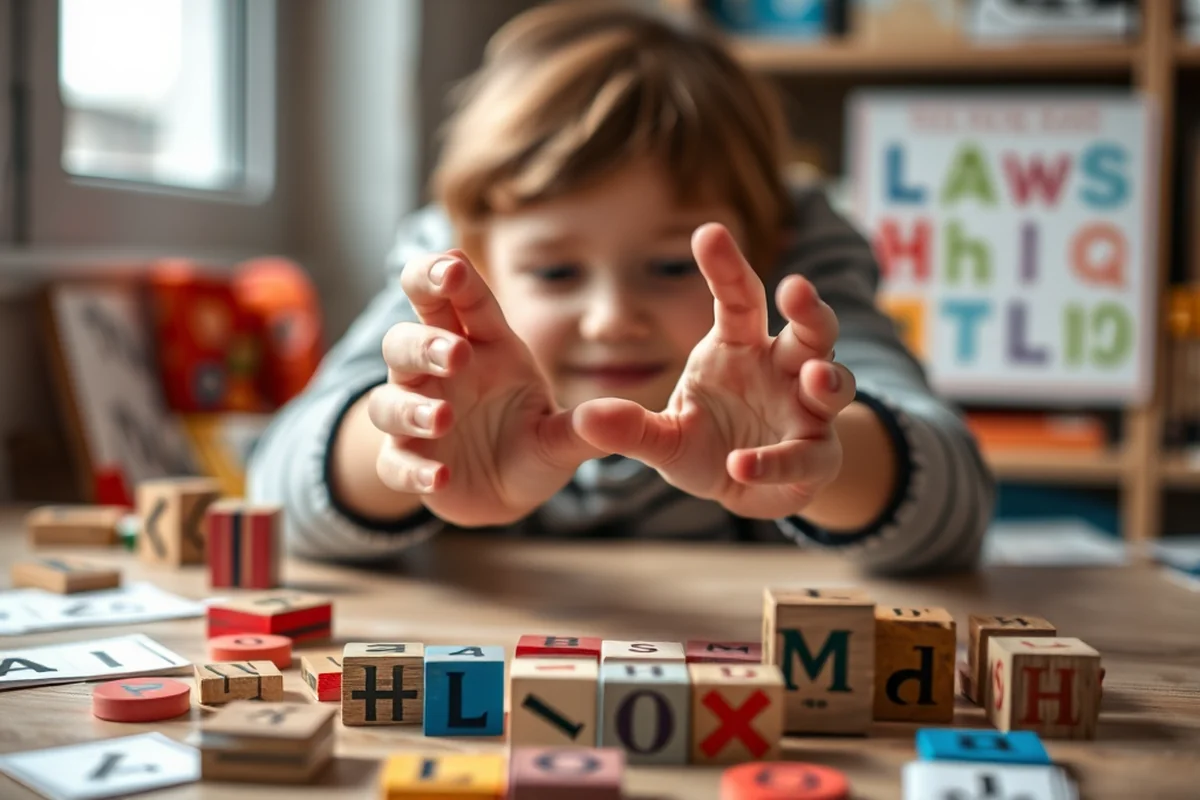
I made a simple phonics bingo game by printing out a grid with letters on each square. I used different letters and sounds for each game, and I created small cards with the same letters for the players to use as markers. We played this game on the weekend, and it became a favorite activity for both my daughter and me. It was a great way to spend quality time together while learning.
One of the best things about the game was how it helped my daughter practice listening and matching sounds. She had to listen carefully to the letters being called out and find the corresponding letter on her bingo card. This helped her develop her listening skills and improve her ability to recognize letters quickly.
I also used this game to introduce new phonics concepts, like digraphs and blends. I would create a new version of the game each week with different letters and sounds, and it kept the learning experience fresh and exciting. The game was so much fun that my daughter would often ask to play it again the next day.
DIY Phonics Story Time with Letter Sounds
I started reading stories to my daughter and pausing at each word to focus on the letter sounds. I used a felt board with letters and let her place the letters on the board as we went through the story. This helped her understand the connection between sounds and letters in a more natural way. It was a great way to combine reading with phonics learning.
One of the most effective parts of this activity was how it helped my daughter improve her pronunciation. I would ask her to repeat the words with the correct letter sounds, and she would often correct herself if she mispronounced a word. It was amazing to watch her take ownership of her learning in this way.
👶 Younger Kids (Ages 2-4)
Use large, colorful letter cards and simple picture books to introduce letter sounds and shapes in a playful way.
👧 Older Kids (Ages 5-8)
Incorporate more complex phonics concepts like digraphs and blends with activities like word building and phonics puzzles.
📄 No-Prep Option
Print and cut out letter cards and use them for quick, on-the-go phonics activities like matching and sorting.
👥 Group Version
Create a phonics game that multiple kids can play together, like a letter scavenger hunt or group sorting challenge.
📚 Extension Activity
Introduce more advanced phonics concepts like syllables and rhyming words with activities like word building and rhyme games.
| The mistake | Why it happens | The fix |
|---|---|---|
| Overcomplicating the activities | Trying to make the activities too complex can overwhelm your child and reduce their engagement. | Simplify the activities and focus on one or two key phonics concepts at a time. |
| Using too many materials | Too many materials can be distracting and make it difficult for your child to focus on the phonics concepts being taught. | Use a few key materials and keep the activities focused on the phonics concept you're teaching. |
| Ignoring your child's interests | If the activities don’t align with your child’s interests, they may not be as engaged or motivated to learn. | Tailor the activities to your child's interests and use themes that they enjoy, like animals, vehicles, or favorite characters. |
| Not providing enough support | If your child doesn’t get enough support, they may become frustrated or discouraged. | Be patient and provide encouragement and guidance as your child learns. Celebrate their progress and offer help when needed. |
Diy Phonics Activities Budget
Common Questions
How can I keep my child engaged with DIY phonics activities?
What if my child is resistant to phonics learning?
Can I use these activities with multiple children?
Do I need any special materials for these activities?
References
- 2025 Ohio's Plan to Raise Literacy Achievement (education.ohio.gov)
- Implementing the Literacy Briefs in the PreK Classroom (nysed.gov)
- First Class - A Guide for Early Primary Education (cde.ca.gov)
- Challenges in Learning Phonics and Phonemic Awareness - ERIC (files.eric.ed.gov)
Cite this guide
Blendandread (2026). Diy Phonics Activities Budget. https://blendandread.com/diy-phonics-activities-budget/
Feel free to cite or share this guide.